
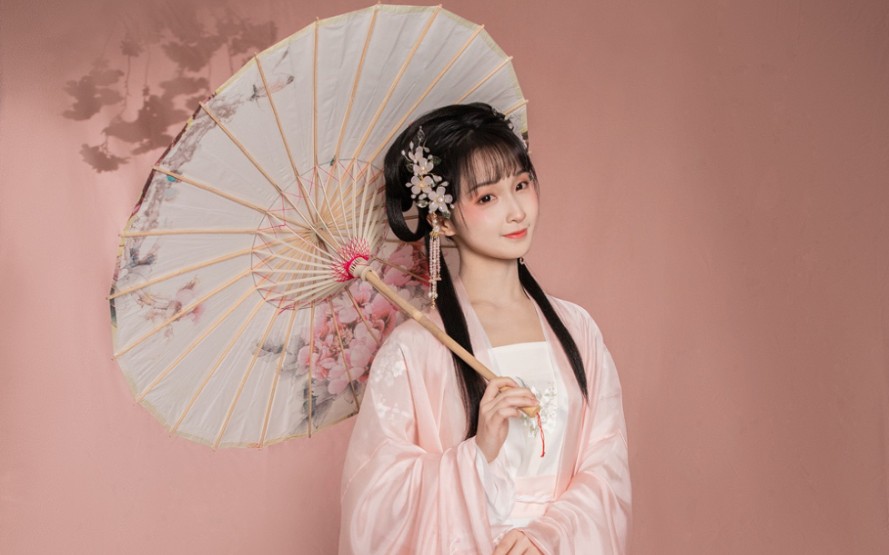
Hanfu (汉服, literally “Han clothing”) refers to the traditional dress of the Han Chinese people, worn continuously from the Yellow Emperor era through the Ming Dynasty (up to the mid-17th century). Revived in the early 2000s, it has grown into a global cultural movement embraced by millions — not just in China, but by enthusiasts and heritage communities worldwide.
Unlike a single fixed style, Hanfu encompasses hundreds of silhouettes, construction methods, and aesthetic traditions across more than two millennia. What unites them are a set of defining principles: cross-collar wrapping (交领, jiāolǐng), fabric ties rather than buttons, and a graceful layered aesthetic that flows with the body.
Did you know: Hanfu is distinct from other East Asian traditional dress such as the Japanese kimono or Korean hanbok, though all three share certain historical influences from early Chinese court fashion.
Choosing your first outfit is much easier once you understand the basic structural types. Here are the four styles beginners most commonly start with:
- Ruqun (襦裙): A short top (ru) paired with a long wrap skirt (qun). The most popular beginner choice — versatile, comfortable, and widely available.
- Beizi (褙子): A collarless open-front robe worn as an outer layer. Elegant and easy to style over modern or traditional undergarments.
- Shenyi (深衣): A one-piece wrapped robe that joins upper and lower garments. A more formal, ceremonial silhouette rooted in Han Dynasty scholarship.
- Zhiduo (直裰): A long open-front robe from the Ming Dynasty. Relaxed and unisex-friendly — a great gateway style for those who prefer minimalist silhouettes.
If you are unsure where to begin, Ruqun is the consensus recommendation among the community. It is forgiving in fit, seasonally adaptable, and has the widest range of prints and fabrics available at every price point.
Hanfu communities often organize styles by dynasty, each with its own proportions and mood. You do not need to pick strictly — but knowing the general feel helps you shop more deliberately.
| Dynasty / Period | Aesthetic Character | Typical Silhouette |
|---|---|---|
| Han Dynasty (汉) | Austere, scholarly, flowing | Shenyi, wide sleeves |
| Tang Dynasty (唐) | Opulent, bold, cosmopolitan | High-waist ruqun, short tops, rich embroidery |
| Song Dynasty (宋) | Refined, understated, scholarly | Beizi, muted tones, fine linens |
| Ming Dynasty (明) | Dignified, structured, layered | Zhiduo, mamianqun pleated skirts |
- Spring & Summer: Look for ramie (苎麻), thin cotton, or chiffon-weight polyester. These breathe well and drape beautifully without overheating.
- Autumn & Winter: Heavier cotton, satin-weave polyester, or wool-blend fabrics add warmth without sacrificing the traditional silhouette.
- Budget tip: High-quality polyester reproductions have improved dramatically. For a first purchase, there is no need to invest in expensive silk until you know your preferred styles.
The layering order and collar direction are the two most important fundamentals. Getting them right ensures your outfit looks intentional and authentic.
Core rule: In traditional Hanfu, the right collar panel wraps over to the left — creating a left-dominant cross-collar (called 右衽, yòurèn). This is a cultural marker of living persons; the opposite direction (left-over-right) is associated with mourning rites and should be avoided.
For a basic Ruqun outfit, follow this sequence:
- Put on the inner layer (中衣, zhōngyī) if included — a plain white or cream collarless underrobe that peeks from the neckline and sleeve cuffs.
- Wear the top (襦, rú). Wrap the right panel first, then bring the left panel across and over. Secure the inner ties at your side.
- Step into the wrap skirt (裙, qún). For a high-waist ruqun, the skirt waistband sits above the natural waist, just below the chest. Wrap and tie at the front or side.
- Add an outer layer (beizi, half-arm, or cloud-shoulder) if wearing one. These are typically worn open-front with no additional fastening.
- Finish with accessories: a waist sash (腰带, yāodài), pendant (禁步, jìnbù), hairpin (发簪, fāzān), and shoes with a rounded toe or platform sole.
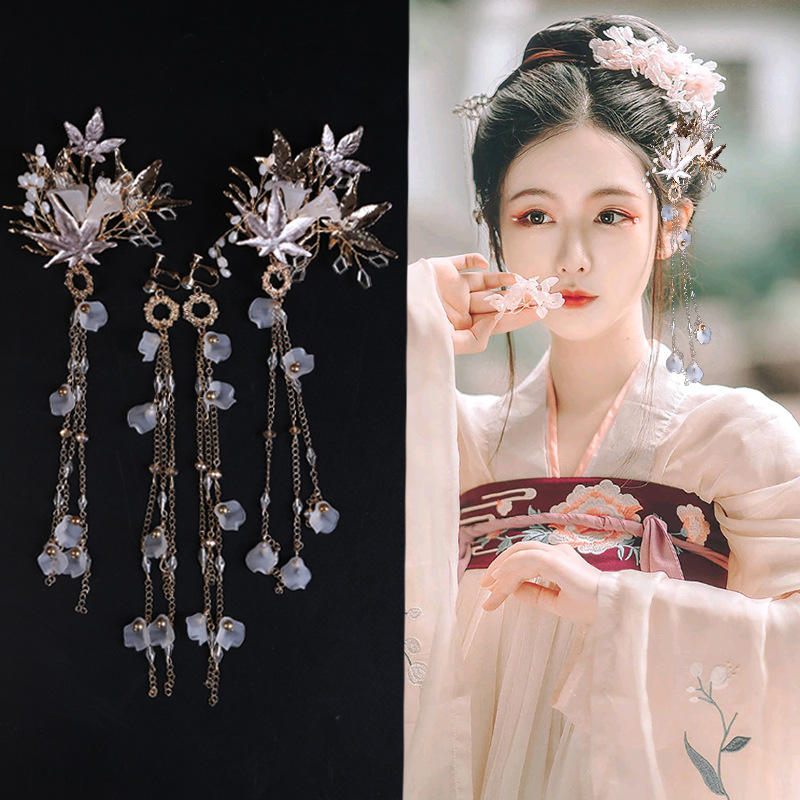
Hair styling is an integral part of the Hanfu aesthetic. You do not need elaborate updos to begin — a simple half-up style with a single hairpin is both authentic and beginner-friendly. As you grow more comfortable, you can explore dynasty-specific hairstyles using tutorials shared widely in the community.
Common beginner accessories include: hairpin (发簪), silk flower (绒花), pendant belt (禁步), waist sash (腰带), fan (折扇), embroidered bag (荷包), and headband (发带).
One of the most common questions beginners ask is: “Is it okay to just wear Hanfu in daily life?” The answer from the community is an enthusiastic yes. Many modern practitioners wear simplified everyday Hanfu — particularly Song-style outfits in muted tones — to work, school, cafés, and shopping districts.
Hanfu is also particularly well-suited for:
- Cultural festivals: Qingming, Qixi, Mid-Autumn, and Lunar New Year are all popular occasions for wearing Hanfu publicly.
- Hanfu meetups: Local and online communities host regular photo walks and tea gatherings — an ideal welcoming environment for beginners.
- Photography: Parks, historic gardens, and ancient architecture form natural backdrops. Even a smartphone produces beautiful results in good light.
- Home & celebration: Tea ceremonies, family dinners, or simply spending a quiet afternoon — no event required to enjoy wearing Hanfu.
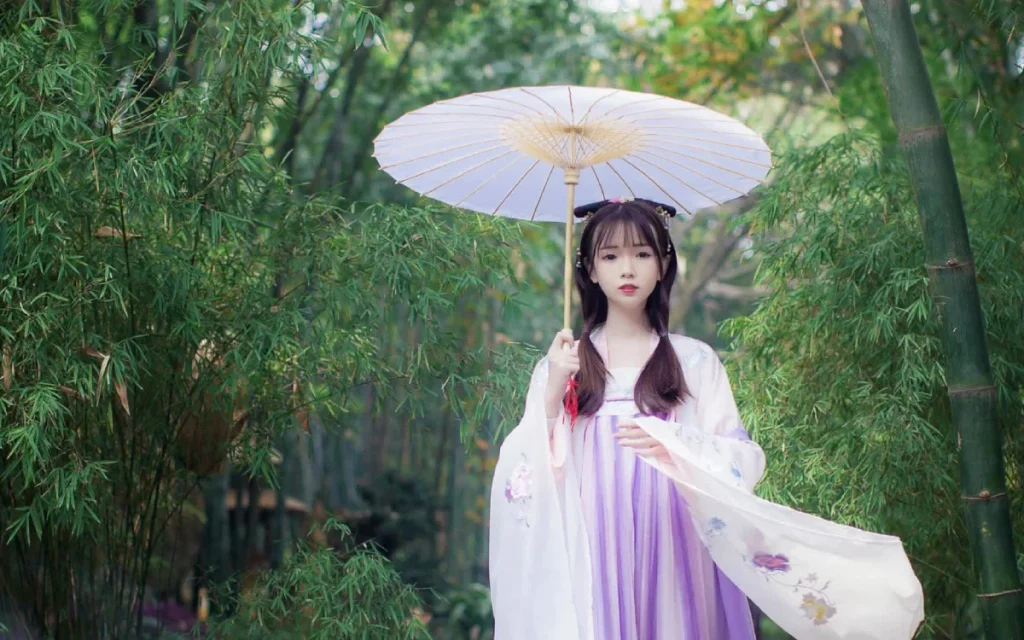
The market has grown enormously, spanning everything from fast-fashion Taobao shops to artisan studios producing historically researched reproductions. For beginners, here is a practical framework:
| Budget Range | What to Expect | Recommended Approach |
|---|---|---|
| Under $40 USD | Polyester, simplified construction, wide variety of prints | Good for trying styles; shop on Taobao, AliExpress, or Amazon for starter sets |
| $40 – $120 USD | Better fabric, more accurate structure, established brands | Many established Chinese brands now offer international shipping |
| $120+ USD | Natural fabrics, custom sizing, artisan embroidery | Reserve for styles you already know you love; worth the investment for special occasions |
Sizing note: Hanfu sizing often runs smaller than Western standards. Most sellers provide a detailed measurement chart — always measure your bust, waist, and height before purchasing, and order one size up if you are between sizes.
- Washing: Hand wash or use a delicate machine cycle in a mesh laundry bag. Cold water prevents color bleed, especially on dyed fabrics.
- Drying: Lay flat or hang to air dry. Avoid direct sunlight for extended periods — natural dyes and vibrant prints fade faster than machine-dyed polyester.
- Ironing: Use a low-heat steam iron or a garment steamer on the reverse side. Silk and thin chiffon layers should never be ironed directly.
- Storage: Fold along the natural seam lines and store flat in a breathable fabric bag. Avoid plastic bags, which trap humidity and cause yellowing.
The Hanfu revival is as much a community as it is a fashion movement. Connecting with other wearers will accelerate your learning, help you avoid common mistakes, and make the experience far more enjoyable.
Active English-language communities exist on Reddit (r/hanfu), Instagram, TikTok, and Discord, with dedicated servers where members share outfit photos, shopping advice, and styling tutorials. Chinese-language communities on Xiaohongshu (小红书, also known as RED) and Weibo are far larger and offer access to more advanced content if you can navigate them.
Most importantly: do not let the scale of history intimidate you. Every experienced wearer started exactly where you are now — with one outfit, a few pins on YouTube, and a lot of enthusiasm. The community is welcoming, and wearing Hanfu is, at its heart, a joyful act of cultural connection.