
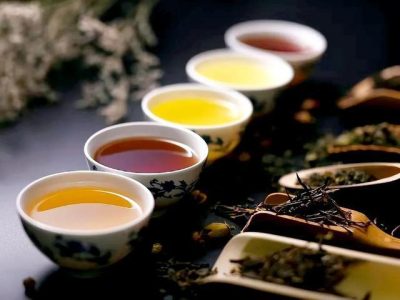
There’s a quiet magic in the ritual of Chinese tea. It begins with the soft crackle of charcoal or the gentle whistle of a kettle, followed by the release of steam as hot water meets dry leaves. In that moment, time seems to pause. The world outside recedes, and all that remains is the cup in your hands, the unfolding aroma, and the silent invitation to be present.
In China, tea is never just a beverage. It is a philosophy, a medicine, an art form, and a language of hospitality—all steeped in a single leaf.
Legend credits Emperor Shennong, the mythical “Divine Farmer,” with discovering tea around 2737 BCE when leaves from a wild tree blew into his boiling water. What began as a medicinal herb evolved over millennia into one of China’s most refined cultural practices.
By the Tang Dynasty (618–907 CE), tea had become a subject of poetry, painting, and scholarly debate. It was during this golden age that Lu Yu wrote The Classic of Tea (Cha Jing)—the world’s first comprehensive treatise on tea. More than a manual on cultivation and brewing, it was a meditation on harmony, ethics, and the beauty of simplicity.
In the Song Dynasty, tea drinking reached new aesthetic heights with powdered whisked tea (a precursor to Japanese matcha). By the Ming and Qing eras, loose-leaf brewing became dominant, giving rise to the diverse traditions we recognize today.
All true Chinese tea comes from the same plant: Camellia sinensis. What creates astonishing variety is not the leaf itself, but how it is handled after harvest. Through precise control of oxidation, heat, and fermentation, six major categories emerge:
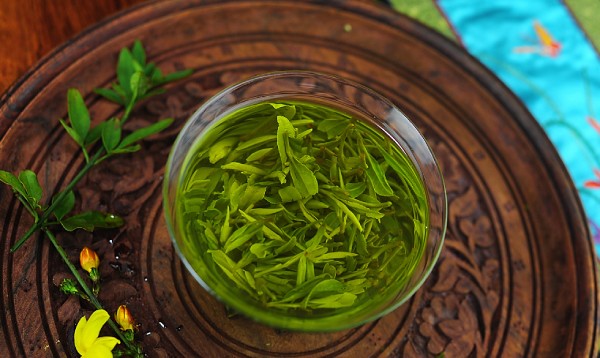
- Green tea (e.g., Longjing): Unoxidized and pan-fired, offering freshness like spring rain.
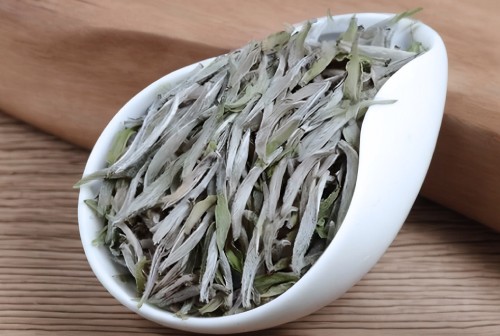
- White tea (e.g., Bai Hao Yinzhen): Minimally processed, delicate buds that taste of morning dew.
- Yellow tea (e.g., Junshan Yinzhen): A rare “sealed yellowing” process yields a mellow, rounded flavor.

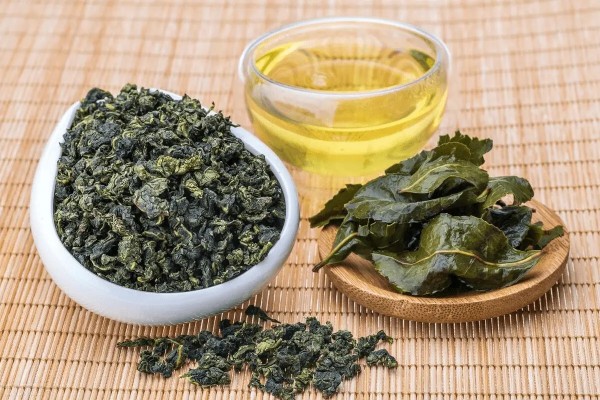
- Oolong tea (e.g., Tieguanyin, Da Hong Pao): Partially oxidized, ranging from floral and light to deep and roasted.
- Black tea (e.g., Keemun): Fully oxidized, robust and malty—called “red tea” in Chinese for its amber liquor.
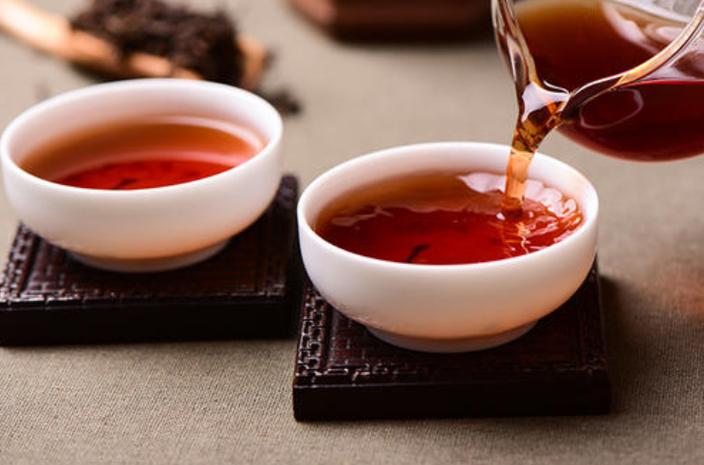
- Dark tea / Hei Cha (e.g., Pu’er): Post-fermented and aged, developing earthy complexity over years or even decades.
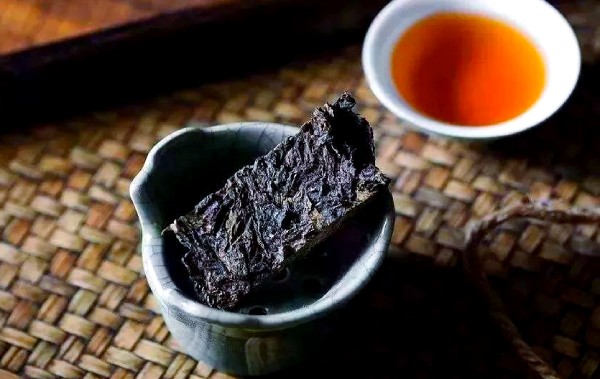
Each type reflects not just technique, but regional identity, climate, and centuries of refinement.
Chinese tea culture is inseparable from China’s great philosophical traditions.
- Daoism sees tea as an expression of wu wei—effortless action in harmony with nature. The best tea is simple, unforced, and aligned with the seasons.
- Confucianism values tea as a ritual of respect. Serving tea to elders, guests, or teachers is an act of li (propriety), reinforcing social bonds and moral order.
- Chan (Zen) Buddhism uses tea as a tool for mindfulness. Monks drank it to stay alert during meditation; the act of preparing and sipping became a moving meditation in itself.
Together, these traditions teach that tea is not consumed—it is experienced, contemplated, and shared.

Perhaps the most celebrated method is Gongfu Cha (“tea with great skill”). Using a small Yixing clay pot or gaiwan, the brewer performs multiple short infusions, each revealing a new layer of aroma and flavor. It’s a practice of attention—watching how the leaves open, listening to the pour, feeling the warmth of the cup.
Yet tea is also deeply democratic. In homes across China, you’ll find “grandpa-style” brewing: a handful of leaves in a glass jar, topped with hot water throughout the day. No ceremony, no special tools—just honest, continuous companionship.
The message is clear: while beauty enhances the experience, the spirit of tea lies not in perfection, but in presence.
Traditional Chinese Medicine (TCM) teaches that health arises from balance with nature’s rhythms. Tea is chosen accordingly:
- In summer’s heat, cooling green or white teas soothe the body.
- In winter’s chill, warming oolongs, black teas, or aged Pu’er fortify the spirit.
Beyond health, tea marks life’s milestones: offered in apology, served at weddings, shared in business negotiations, or simply placed beside a guest as a wordless welcome. In teahouses—from Beijing courtyards to Guangzhou alleyways—conversations flow as freely as the brew.
Today, a new generation is rediscovering tea not as nostalgia, but as resistance—to speed, distraction, and disconnection. For many young Chinese, a quiet session with a gaiwan is an act of self-care.
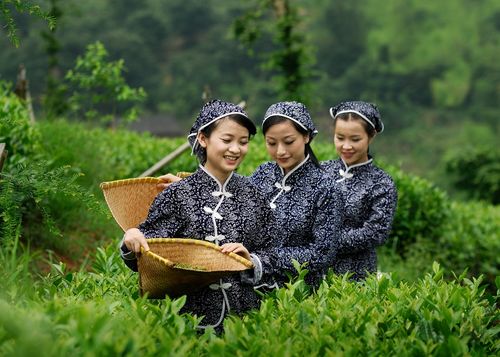
Great tea begins long before the kettle boils. It starts in mist-shrouded mountains where ancient tea trees grow among rocks and forests. The terroir of Wuyi Shan shapes the mineral depth of rock oolongs; the microclimate of West Lake gives Longjing its chestnut sweetness; Yunnan’s biodiversity lends Pu’er its wild, evolving character.
Increasingly, farmers are returning to organic methods, hand-picking only the finest buds, and rejecting mass production in favor of quality and sustainability. In doing so, they honor both the land and the legacy.
In a world of instant everything, Chinese tea offers something radical: slowness. Not as indulgence, but as clarity. To brew tea is to create space—to breathe, to listen, to reconnect with yourself and others.
So the next time you hold a cup of Chinese tea, don’t just drink it.
Watch the leaves dance.
Smell the steam rise.
Feel the warmth travel through your palms.
You’re not just tasting a beverage.
You’re participating in a 5,000-year-old conversation—with nature, with ancestors, with the quiet wisdom of simply being here, now.
The word “tea” traveled the world along two ancient routes. Maritime traders from Fujian carried “te” (Min Nan pronunciation) to Europe—hence English tea, French thé, Spanish té. Overland, Silk Road caravans brought “cha” (Mandarin) to Central Asia and Persia—giving us chai. Both words, one leaf, countless cultures.