
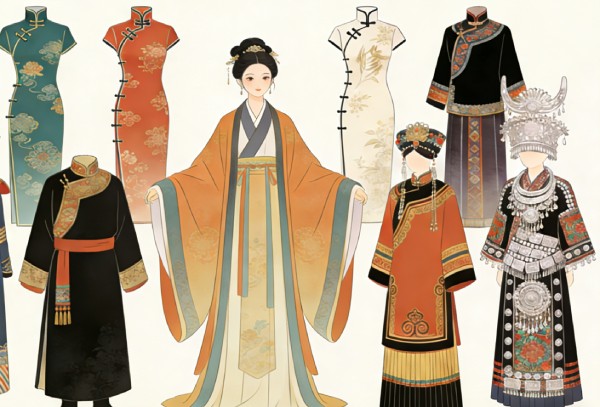
Elegant silhouettes, intricate embroidery, and centuries of symbolism—Chinese dress is more than clothing; it’s a living expression of culture. But “Chinese dress” does not belong to one group alone. China is home to 56 officially recognized ethnic groups, each with its own textile traditions, colors, and ceremonial attire. From the flowing robes of Han scholars to the silver-adorned tunics of the Miao people, from the dignified Zhongshan suit to the globally iconic qipao, Chinese dress reflects a vast and vibrant tapestry of identity.
This article explores the full spectrum of Chinese dress—Han majority styles, minority ethnic garments, revolutionary uniforms, and contemporary fusions—that together tell the story of a nation in fabric.
The term Chinese dress encompasses far more than the qipao or hanfu often seen in global media. It includes:
- Hanfu: Traditional attire of the Han Chinese, dating back over 3,000 years.

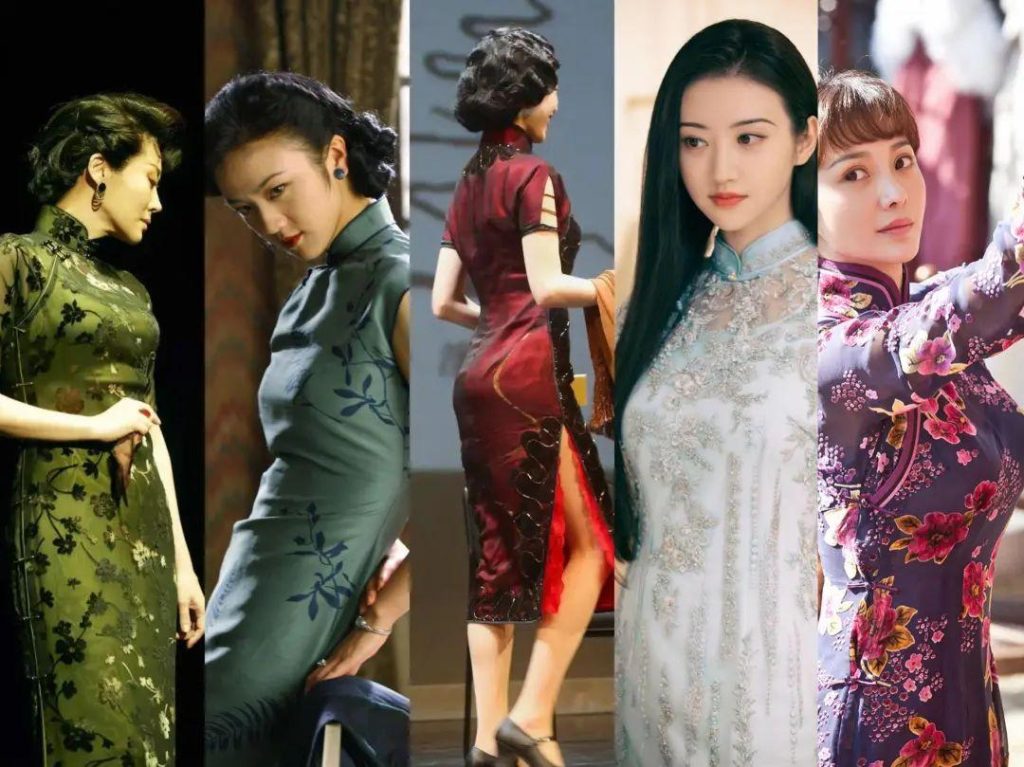
- Qipao (Cheongsam): A modernized dress born in 1920s Shanghai, now a global symbol of Chinese elegance.
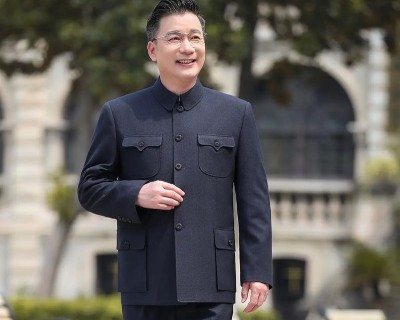
- Zhongshan Suit (Mao Suit): A revolutionary-era men’s tunic that became a political uniform.
- Ethnic Minority Costumes: Distinctive garments from China’s 55 minority groups, such as Tibetan chubas, Uyghur doppas, and Miao silver jewelry ensembles.
Together, these styles reveal how clothing in China expresses not only aesthetics but also regional identity, social status, belief systems, and historical change.
Early Han Chinese clothing emphasized modesty and hierarchy. The shenyi—a one-piece robe—symbolized Confucian unity of body and virtue.
Cosmopolitan Tang fashion embraced bold colors and foreign influences via the Silk Road. Meanwhile, ethnic groups like the Uyghurs in the west developed their own vibrant textile cultures, featuring bright silks and embroidered skullcaps.
Hanfu reached its zenith under the Ming, with strict sumptuary laws governing who could wear dragons or phoenixes.
The Manchu rulers introduced the changpao and magua, which later evolved into the qipao. Yet even during this era, minority groups retained their distinct dress—Tibetans in woolen chubas, Mongols in deel robes, and southern minorities in batik and indigo-dyed fabrics.
As China modernized, traditional dress was both rejected and reimagined. The qipao became a symbol of urban femininity, while the Zhongshan suit—named after Sun Yat-sen—emerged as a nationalistic alternative to Western suits. After 1949, it evolved into the so-called “Mao suit,” worn by officials and citizens alike as a mark of egalitarianism.
With wide sleeves and cross collars, hanfu embodies classical Chinese aesthetics. Its recent revival is led by young Han Chinese seeking cultural roots.
Sleek, form-fitting, and often made of silk, the qipao remains a favorite for weddings and formal events worldwide.
Featuring a stand-up collar, four pockets, and five buttons, the Zhongshan suit blends Western tailoring with Chinese practicality. Though less common today, it’s still worn at state ceremonies and by older generations as a symbol of dignity and patriotism.
China’s ethnic diversity is vividly expressed through clothing:
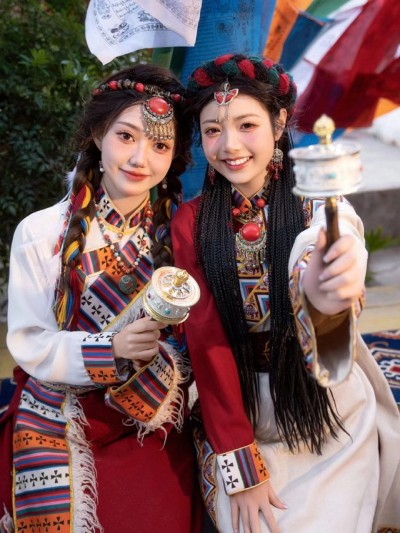
- Tibetan: Men and women wear the chuba—a long, wrap-style robe made of wool or silk, often belted with ornate silver. Red, maroon, and saffron dominate, reflecting Buddhist spirituality.
- Uyghur: Bright floral dresses, embroidered vests, and the doppa (a square embroidered cap) are central to Uyghur identity in Xinjiang.
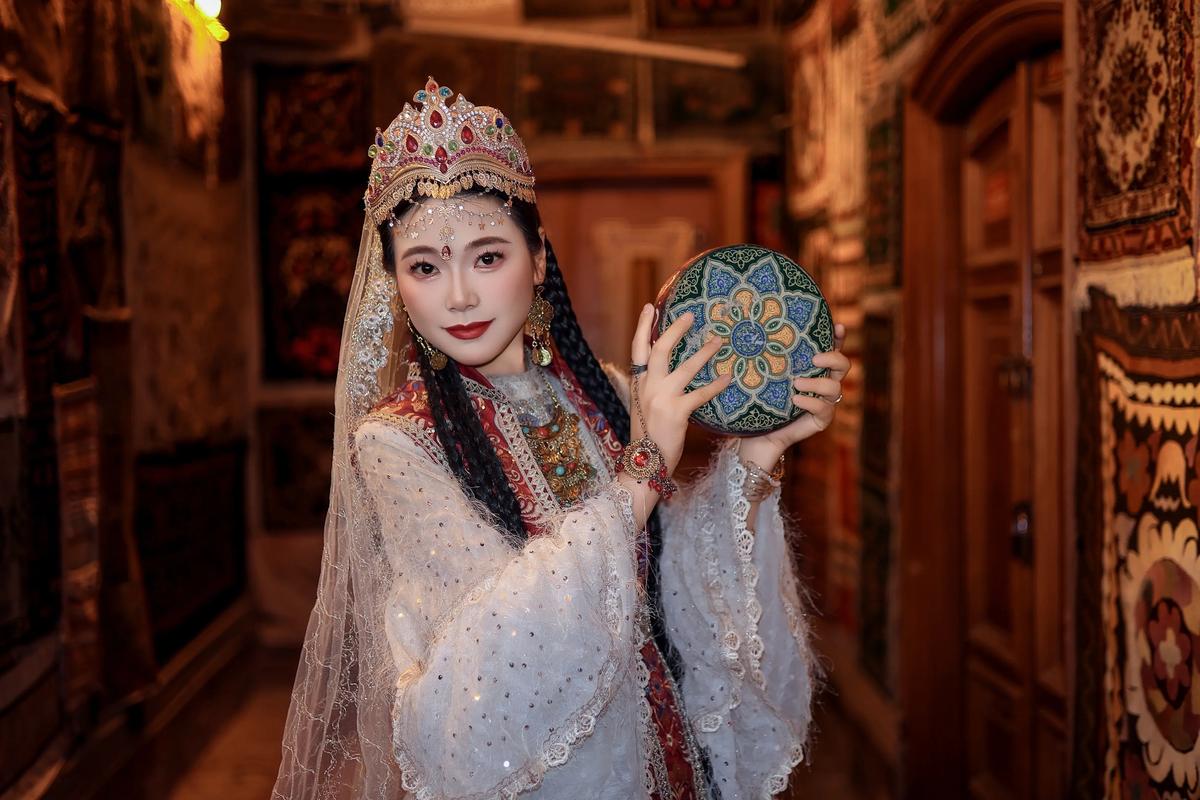
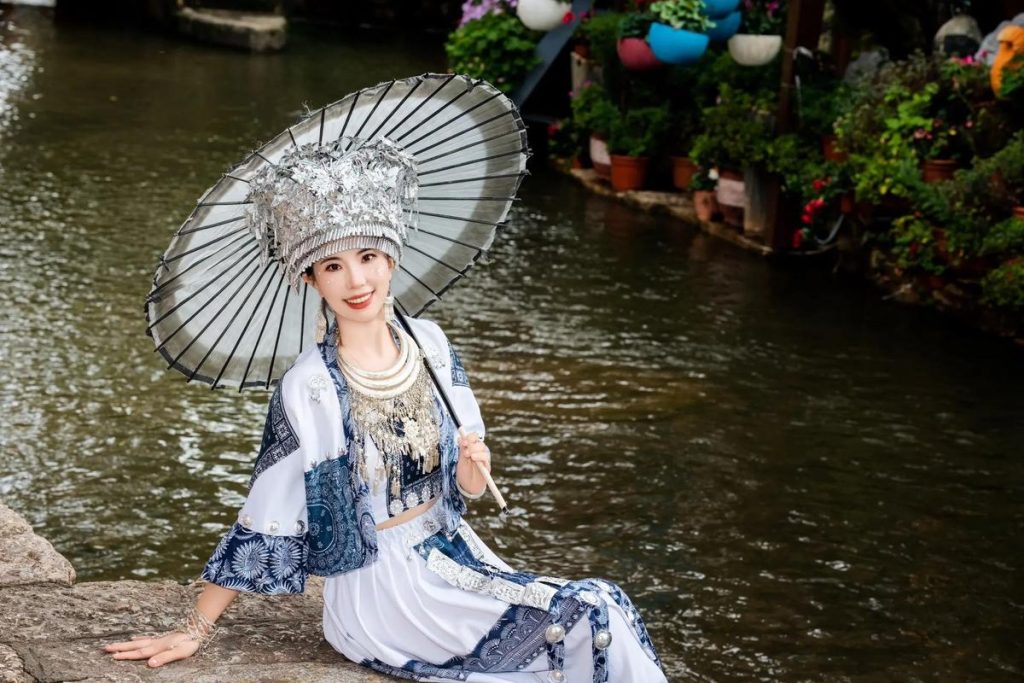
- Miao (Hmong): Known for elaborate silver headdresses, pleated skirts, and batik textiles. Miao women may wear up to 20 pounds of handcrafted silver during festivals—a testament to family wealth and ancestral memory.
- Zhuang, Yi, Dai, and Others: Each group uses unique dyeing techniques (like indigo), weaving patterns, and symbolic motifs passed down through generations.

These garments are not costumes—they are living heritage, worn with pride during festivals, weddings, and daily life in many regions.
Color, fabric, and motif carry deep meaning across all Chinese dress traditions:
- Red = joy and protection (used by Han and many minorities).
- Indigo blue = earth and resilience (common among southern minorities).
- Silver = purity and ancestral connection (especially in Miao culture).
- Dragons, phoenixes, clouds, bats = blessings, power, harmony.
Even the four pockets on the Zhongshan suit were symbolic—representing the Four Virtues: propriety, justice, integrity, and shame.
From Hollywood red carpets to Paris runways, elements of Chinese dress inspire designers worldwide. Yet true appreciation requires recognizing its diversity—not just the qipao, but the silver of the Miao, the silk of the Uyghur, the solemnity of the Zhongshan suit.
- For cultural events: Choose authentic pieces—rent a qipao, wear a Tangzhuang jacket, or support minority artisan cooperatives.
- For everyday style: Incorporate subtle details—mandarin collars, knot buttons, indigo fabrics, or minimalist silver jewelry inspired by ethnic designs.
- Respectfully engage: Learn the origin of what you wear. Avoid sacred symbols as decoration. Support Chinese and ethnic minority-owned brands.
Chinese dress is not monolithic. It is Han and Miao, Tibetan and Uyghur, revolutionary and romantic, ancient and avant-garde. To understand Chinese dress is to see China not as a single story, but as a chorus of voices—each stitched in color, cloth, and courage.
To wear any piece of this tradition is to carry forward a legacy that is at once deeply local and universally human.
Is “Chinese dress” only about Han clothing?
No. China has 56 ethnic groups, each with rich textile traditions. True appreciation includes recognizing minority dress.
Can I wear Miao silver jewelry if I’m not Miao?
Yes—with respect. Understand its cultural weight, buy from ethical sources, and avoid wearing full ceremonial sets as fashion.
Where can I learn more about China’s ethnic minority clothing?
Visit museums like the National Museum of China (Beijing) or the Yunnan Ethnic Village. Follow minority artisans on platforms like Xiaohongshu or Instagram.
Note: This article honors the full diversity of Chinese dress—from Han to Zhuang, from qipao to chuba—as a dynamic, living heritage.