

There’s a moment in every Chinese kitchen when time seems to slow—the gentle sizzle of star anise hitting hot oil, the deep, woody sweetness of cinnamon unfurling into steam, the faint citrusy whisper of fennel rising from a simmering pot of red-braised pork. This isn’t just cooking. It’s a quiet ritual, centuries old, guided by balance, seasonality, and a profound respect for the body’s harmony with nature.
At the heart of this ritual lies Chinese five spice—a blend so essential, so deeply woven into the fabric of Chinese culinary tradition, that it transcends mere seasoning. It is, in many ways, edible philosophy.
Despite its name, Chinese five spice isn’t a single ingredient but a harmonious blend of five whole spices, each chosen not only for its aroma but for its role in creating a complete sensory and energetic profile. While recipes vary slightly by region, the classic combination includes:
- Star anise – sweet, licorice-like, warming

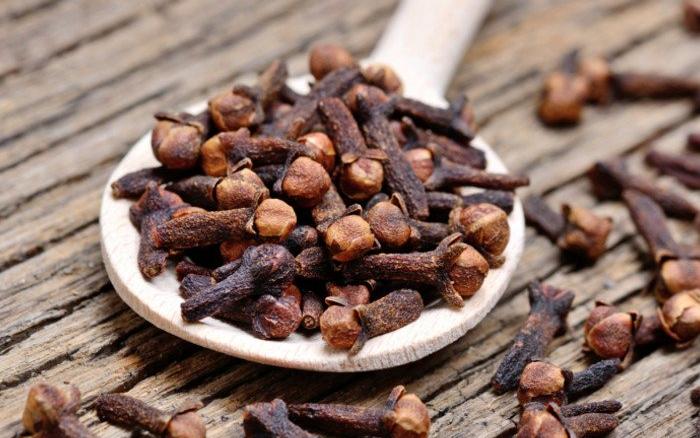
- Cloves – pungent, floral, intensely aromatic
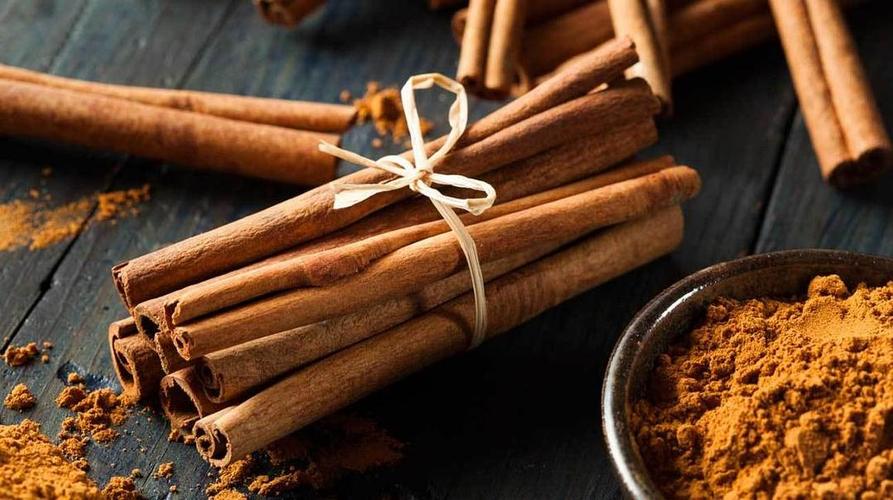
- Chinese cinnamon (cassia) – deeper and more robust than Western cinnamon, with a woody warmth
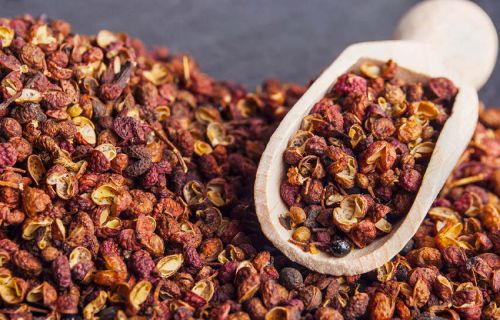
- Sichuan peppercorns – not spicy, but numbing and citrusy, adding complexity
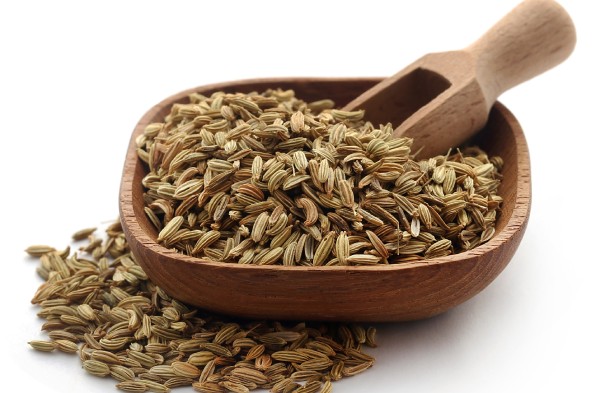
- Fennel seeds – mild, sweet, with a gentle anise note
Together, they create a flavor that is at once sweet, savory, warming, and subtly numbing—a layered symphony rather than a solo note.
Long before it became a kitchen staple, this blend lived in the apothecary. In Traditional Chinese Medicine (TCM), food and medicine share the same root. Each component of five spice is valued for its therapeutic properties:
- Star anise helps regulate digestion and relieve abdominal pain.
- Cassia bark dispels internal cold and improves circulation.
- Sichuan peppercorns transform dampness and ease bloating.
- Cloves warm the stomach and support kidney yang.
- Fennel seeds soothe the liver and promote smooth qi flow.
Used together, they don’t just flavor a dish—they help restore balance within the body. This reflects the core TCM principle: eating is not just about sustenance, but about maintaining harmony between yin and yang, internal organs, and the external environment.
Why five? In Chinese cosmology, the number five holds deep symbolic meaning. It echoes the Wu Xing (Five Phases or Elements: wood, fire, earth, metal, water) and the Wu Wei (Five Flavors: sour, bitter, sweet, pungent, salty). Though the five-spice blend doesn’t literally contain all five tastes, its composition embodies the ideal of completeness through diversity.
Chinese cuisine rarely seeks to overwhelm with one dominant flavor. Instead, it layers tastes to create equilibrium—richness cut by brightness, heat tempered by sweetness. Five spice exemplifies this: no single ingredient dominates; each supports the others. It’s a culinary expression of the ancient wisdom: harmony arises not from sameness, but from balanced difference.
You’ll find five spice wherever patience meets flavor. It shines in slow-cooked, soul-warming dishes that define home cooking across China:
- Hong Shao Rou (red-braised pork belly), glossy and tender, infused with soy, sugar, and five spice
- Lu Wei (master stock braises)—a reusable broth enriched over years, always anchored by this blend
- Char siu (Cantonese barbecued pork), glazed and roasted with a five-spice-laced marinade
- Roast duck, spiced nuts, tea eggs, and cured meats for Lunar New Year
Because its flavors deepen with time, five spice is rarely used in quick stir-fries. It belongs to the realm of slow transformation—where ingredients are coaxed, not rushed, into their fullest expression.
Traditional Chinese living is deeply attuned to the seasons, and so is the use of five spice. It appears most often in autumn and winter, when its warming nature helps the body resist cold and dampness—common causes of imbalance in TCM during colder months.
During festivals like Lunar New Year, families prepare preserved meats and braised dishes seasoned with five spice—not only for their rich taste but also as a form of preventive care, fortifying the body against seasonal illness. In this way, the kitchen becomes a space of both celebration and protection.
While store-bought blends are convenient, grinding your own five spice is a small act of reconnection. Buy whole spices, toast them lightly in a dry pan until fragrant, then grind them in a mortar or spice grinder. The result is brighter, more vibrant, and deeply aromatic.
This simple practice invites mindfulness. As you inhale the rising scents—earthy, sweet, numbing, warm—you’re not just preparing a seasoning. You’re participating in a tradition that honors slowness, intention, and the intelligence of whole ingredients.
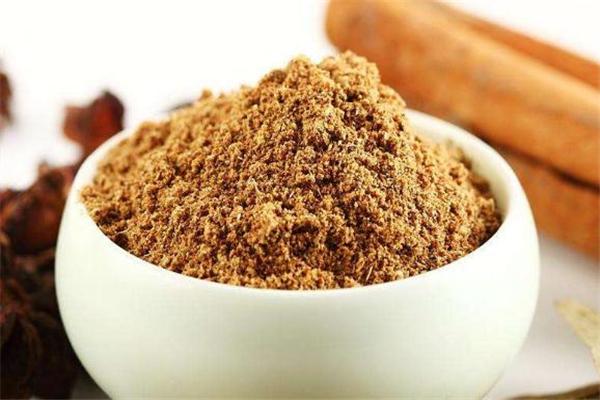
Chinese five spice is more than a pantry item. It’s a reminder that flavor can carry wisdom, that eating can be healing, and that balance is not just a dietary goal—but a way of life.
In a world of instant meals and isolated tastes, this ancient blend offers something rare: integration. It asks us to slow down, to consider how what we eat affects our energy, our mood, our connection to the rhythms of nature.
So the next time you lift the lid on a pot of braised beef and catch that familiar, comforting aroma, remember: you’re not just smelling spices. You’re breathing in centuries of quiet wisdom—wrapped in warmth, steeped in balance, and served with care.