
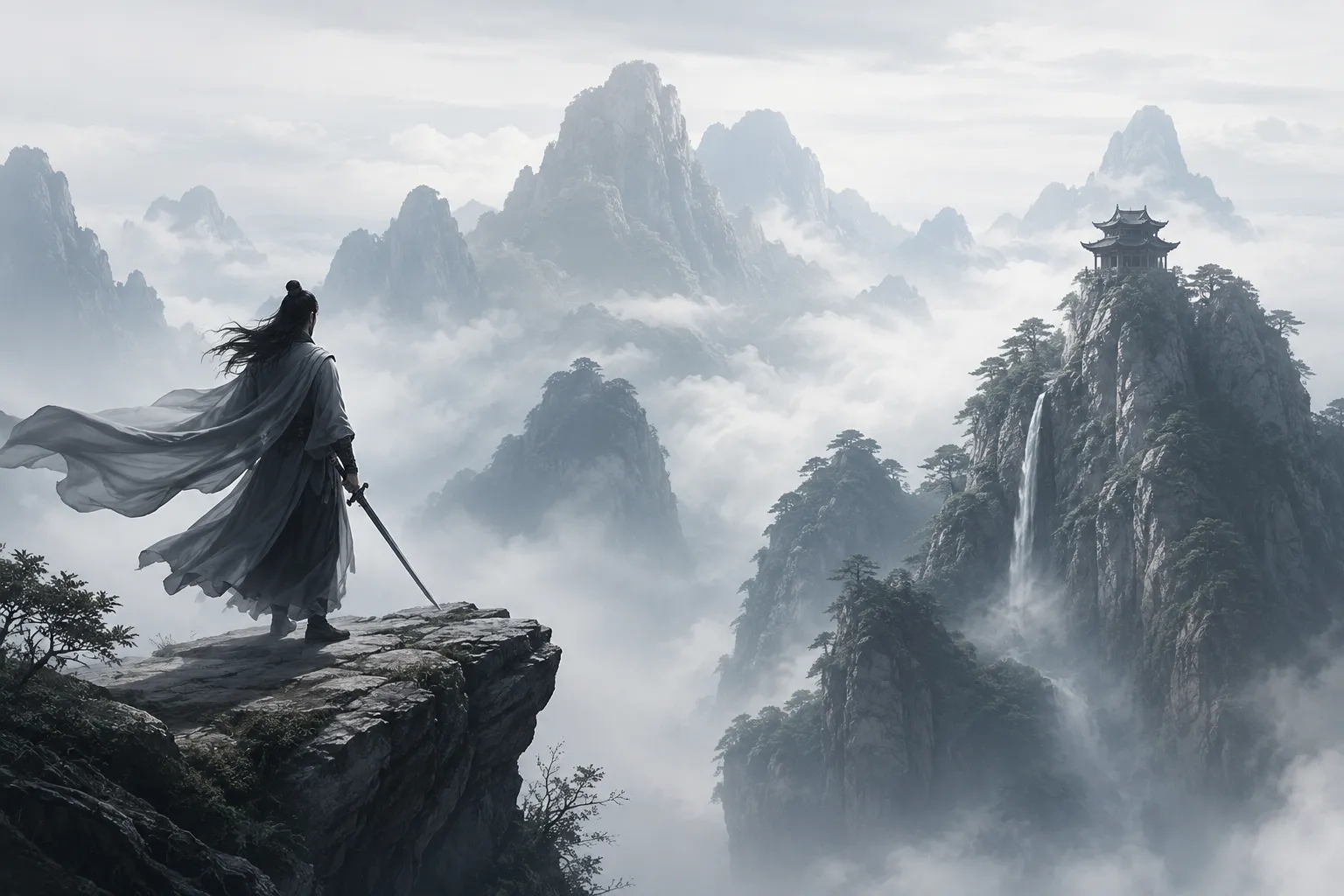
If you’ve spent any time browsing Chinese novels, dramas, or films, you’ve probably run into the word “wuxia” more than once. It shows up in genre labels, streaming categories, and fan forums — but what does it actually mean, and how is it different from the equally popular “xianxia”? This guide breaks down the meaning, origins, and cultural roots of wuxia, and clears up the confusion between the two genres once and for all.
“Wuxia” (武侠) is a compound of two Chinese characters: wu (武), meaning “martial” or “military,” and xia (侠), meaning “hero” or “chivalrous person.” Put together, wuxia roughly translates to “martial hero” or “martial chivalry.”
As a genre, wuxia refers to stories about martial artists in ancient or imperial China who live outside the formal control of the government, following their own code of honor. These characters — often called xiake (侠客), or “wandering swordsmen” — travel the land righting wrongs, defending the weak, and settling scores, all while relying on skills grounded in real or exaggerated Chinese martial arts rather than magic or supernatural power.
Key characteristics of wuxia stories include:
- Human characters with no inherent supernatural abilities, only trained martial skill
- A historical or quasi-historical Chinese setting, usually pre-modern
- A strong moral code, often referred to as “jianghu” (江湖) ethics — the unwritten rules of the martial arts world
- Themes of loyalty, revenge, brotherhood, and justice outside the law
- Weapons-based combat: swords, spears, and hand-to-hand fighting styles rooted in real martial arts traditions
Well-known wuxia works include Jin Yong’s novels like The Legend of the Condor Heroes and The Smiling, Proud Wanderer, as well as films such as Crouching Tiger, Hidden Dragon and House of Flying Daggers.
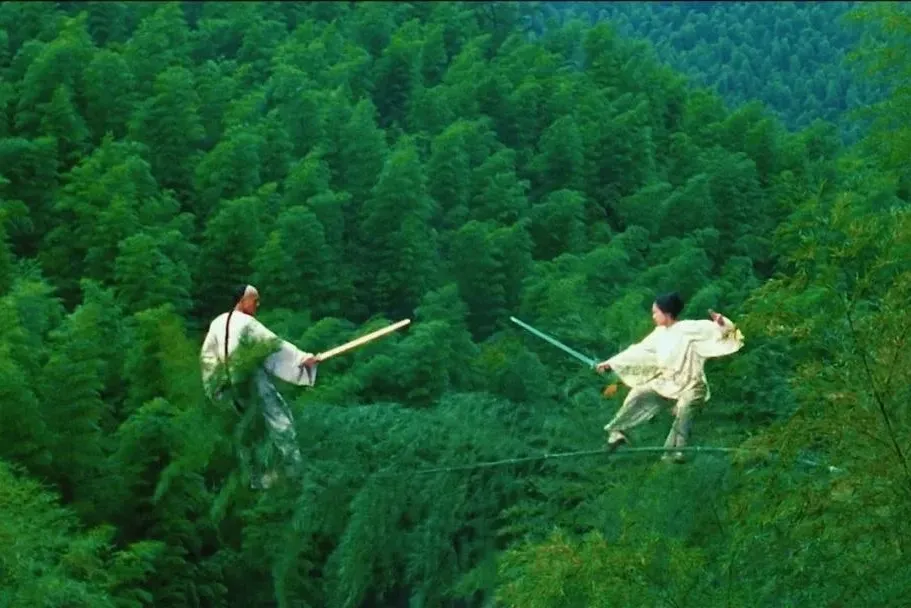
Wuxia didn’t appear overnight — its roots stretch back nearly two thousand years. Historian Sima Qian’s Records of the Grand Historian, written during the Han Dynasty, already included biographies of “youxia” (游侠), or wandering knights-errant, who acted outside official law to uphold their own sense of justice. These early accounts planted the seed of the wuxia archetype.
The genre developed in stages:
During the Tang Dynasty, short stories about sword-wielding heroes and assassins began circulating, blending martial skill with an early sense of romance and adventure. By the Ming and Qing dynasties, longer vernacular novels expanded these tales into sprawling sagas featuring rival clans, secret manuals, and master-disciple relationships — patterns still used in wuxia fiction today.
The genre as we recognize it now took shape in the early 20th century, when newspaper serialization allowed authors to publish wuxia stories chapter by chapter. This era produced the foundations for the modern wuxia boom, which reached its peak from the 1950s through the 1970s with authors like Jin Yong, Gu Long, and Liang Yusheng — often called the “Three Legs” of modern wuxia literature. Hong Kong cinema then carried wuxia to global audiences through martial arts films that eventually influenced Western action cinema as well.
Because both genres are set in ancient China and both feature sword-fighting heroes, wuxia and xianxia are frequently confused with one another. The core difference comes down to one thing: whether the story includes the supernatural.
Wuxia stays grounded. Its heroes are ordinary humans who become extraordinary through years of training, discipline, and mastery of real martial arts techniques. There is no magic, no immortality, and no cultivation of supernatural power — just skill, willpower, and a strong moral compass.
Xianxia (仙侠), by contrast, means “immortal hero” and belongs to the fantasy realm. Xianxia protagonists pursue “cultivation” (修炼) — a spiritual and physical practice rooted in Daoist philosophy that allows them to gain magical abilities, extend their lifespan, or even become immortal. Xianxia worlds often include demons, spirits, celestial realms, and cosmic battles that go far beyond what any human body could achieve.
| Feature | Wuxia (武侠) | Xianxia (仙侠) |
|---|---|---|
| Meaning | Martial hero | Immortal hero |
| Power source | Trained martial arts skill | Spiritual cultivation, magic |
| Setting | Grounded historical China | Fantasy realms, celestial worlds |
| Core theme | Justice, honor, brotherhood | Immortality, transcendence, fate |
| Example works | Crouching Tiger, Hidden Dragon | The Untamed, Battle Through the Heavens |
A related term you may also see is “xuanhuan” (玄幻), a broader fantasy category that borrows freely from Chinese mythology, Western fantasy, and science fiction, with looser rules than either wuxia or xianxia. If wuxia is “kung fu heroism” and xianxia is “cultivation fantasy,” xuanhuan is best thought of as the catch-all fantasy genre that sits alongside them.
Beyond the fight scenes and sword duels, wuxia has always carried a strong visual identity — and much of that identity comes from traditional Chinese clothing. Wuxia films and dramas are known for their flowing robes, wide sleeves, and layered silhouettes, which are directly inspired by historical Hanfu styles rather than pure costume invention.
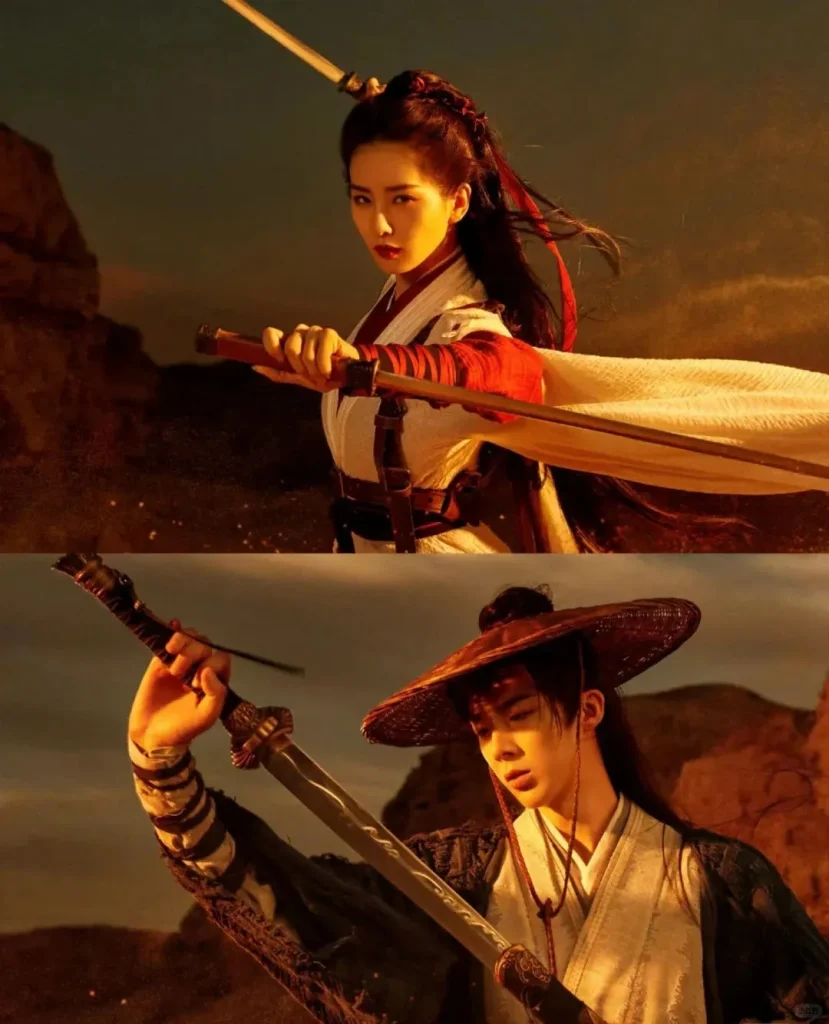
A few common visual elements borrowed from Hanfu in wuxia productions:
- Cross-collar robes (jiaoling) worn by wandering swordsmen, allowing freedom of movement during combat scenes
- Wide, flowing sleeves that emphasize dramatic movement during fight choreography
- Sashes and belts used to signal a character’s clan, rank, or moral alignment
- Monochrome or muted color palettes for wandering heroes, contrasted with the elaborate silk and embroidery worn by aristocratic or antagonist characters
This is part of why wuxia dramas have played such a large role in introducing global audiences to traditional Chinese aesthetics — for many viewers outside China, a wuxia film is their first visual exposure to Hanfu-inspired clothing, even if they’ve never heard the word “Hanfu” itself. The genre’s popularity has helped keep interest in traditional Chinese dress alive across generations, both inside China and internationally.