
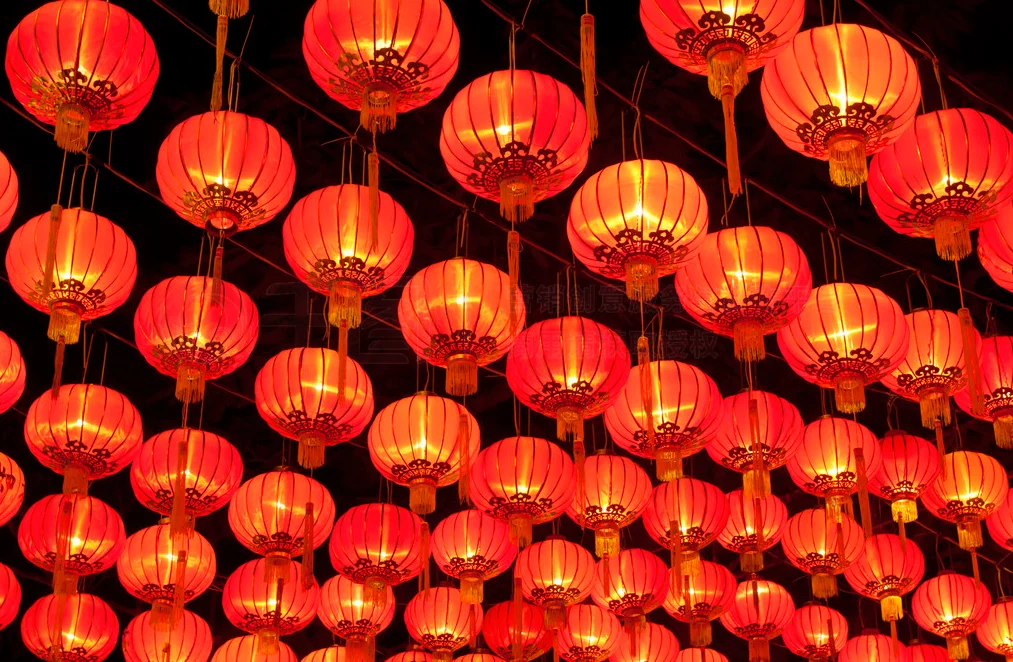
Few objects capture the warmth and festivity of Chinese culture quite like the Chinese lantern. Glowing red against a night sky, strung along temple eaves, or floating down a river during a festival — lanterns are one of the most recognizable symbols of Chinese tradition. But behind the simple glow of a lantern lies thousands of years of history, craftsmanship, and symbolism.
This guide covers everything you need to know about Chinese lanterns: their origins, the different types, what they symbolize, and how they’re still used today.
A Chinese lantern is a traditional portable light source, typically made from a bamboo or wire frame covered with silk, paper, or other translucent material, with a candle or light placed inside. Beyond their practical use for lighting streets, homes, and temples before electricity, lanterns became deeply symbolic objects tied to celebration, protection, and good fortune.
Today, lanterns remain central to festivals, weddings, temple ceremonies, and home decor — both in China and among Chinese communities worldwide.
Lanterns are believed to have first appeared during the Western Han Dynasty (206 BCE–9 CE), initially used as practical light sources for palaces and streets. By the Tang Dynasty (618–907 CE), lantern-making had developed into a refined art form, with elaborate designs used in imperial celebrations.
The tradition of lighting lanterns to celebrate the Lantern Festival — held on the fifteenth day of the first lunar month — is said to date back even further, with legends connecting it to Han Dynasty emperors honoring Buddhist traditions and appeasing the Jade Emperor. Over centuries, lantern displays evolved from simple oil lamps into intricate works of art featuring painted scenes, calligraphy, and folded silk designs.
Chinese lanterns come in many forms, each with its own history and use. Here are some of the most well-known types:
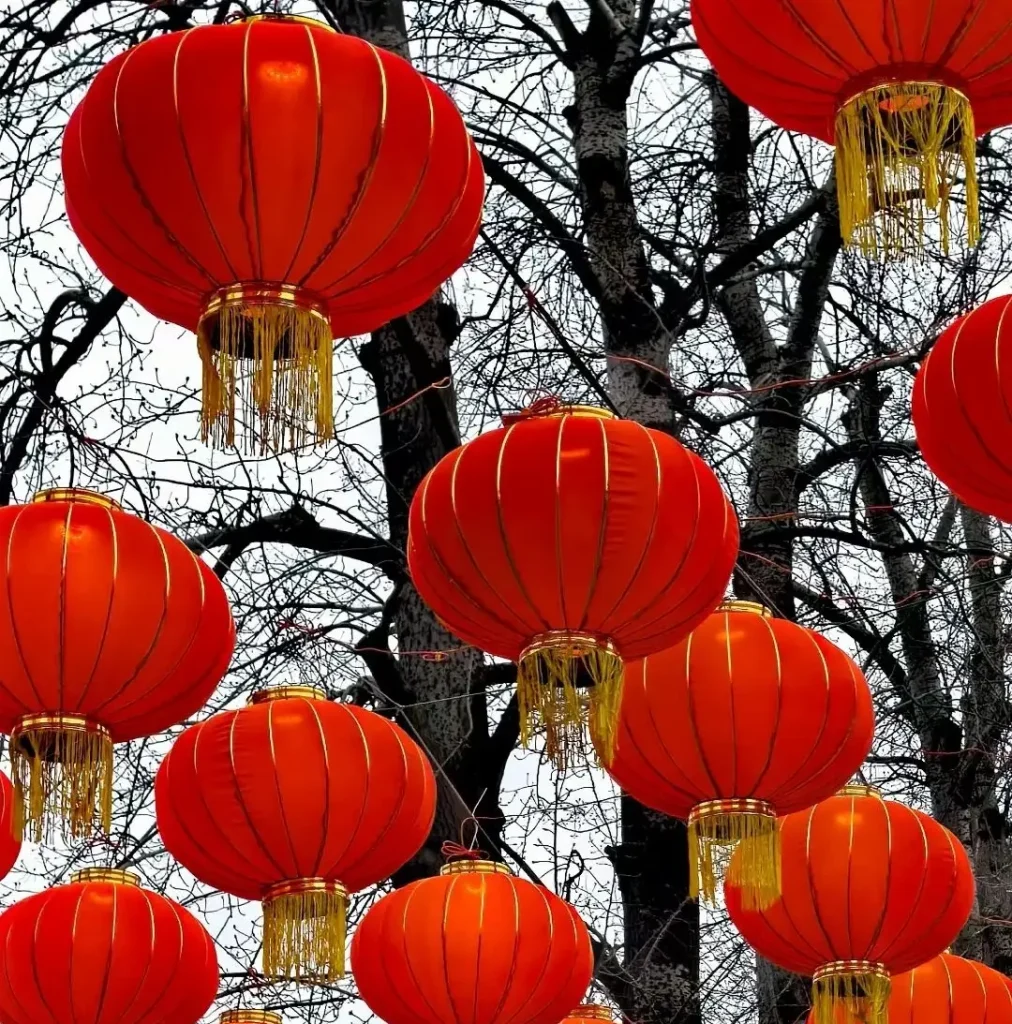
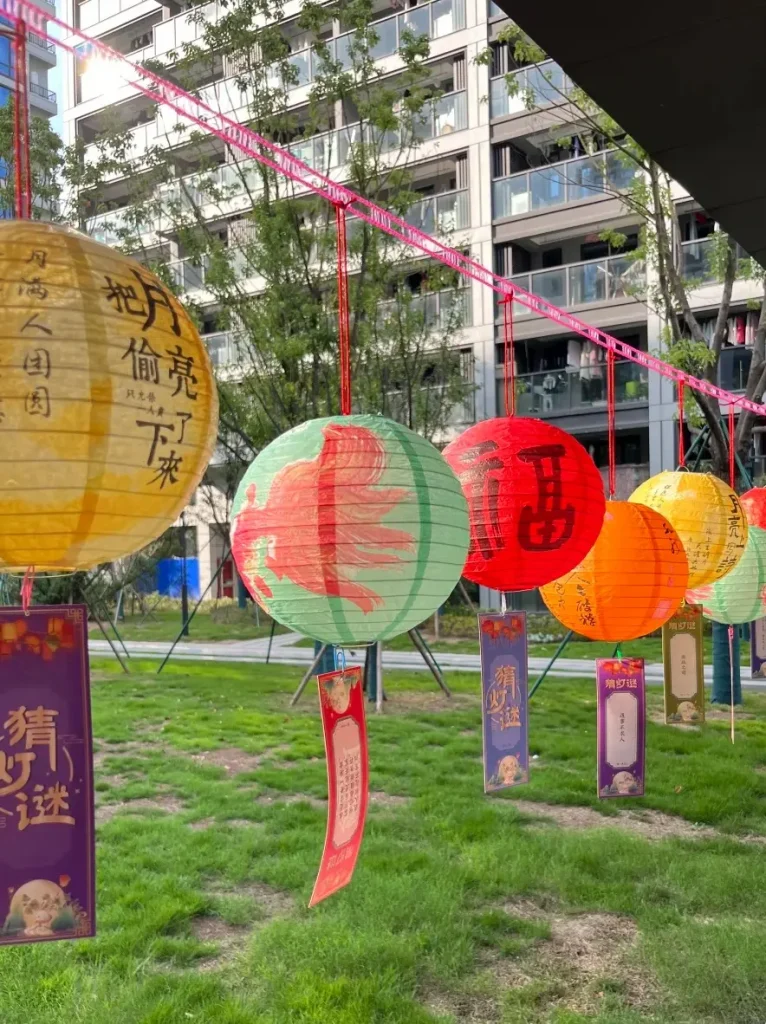
Red Round Lantern — The most common and recognizable type, round and red, symbolizing luck and joy. Traditionally made from paper or silk stretched over a bamboo frame, though modern versions are often made from fabric, nylon, or plastic for durability. Frequently hung outside homes and businesses, especially during Chinese New Year.
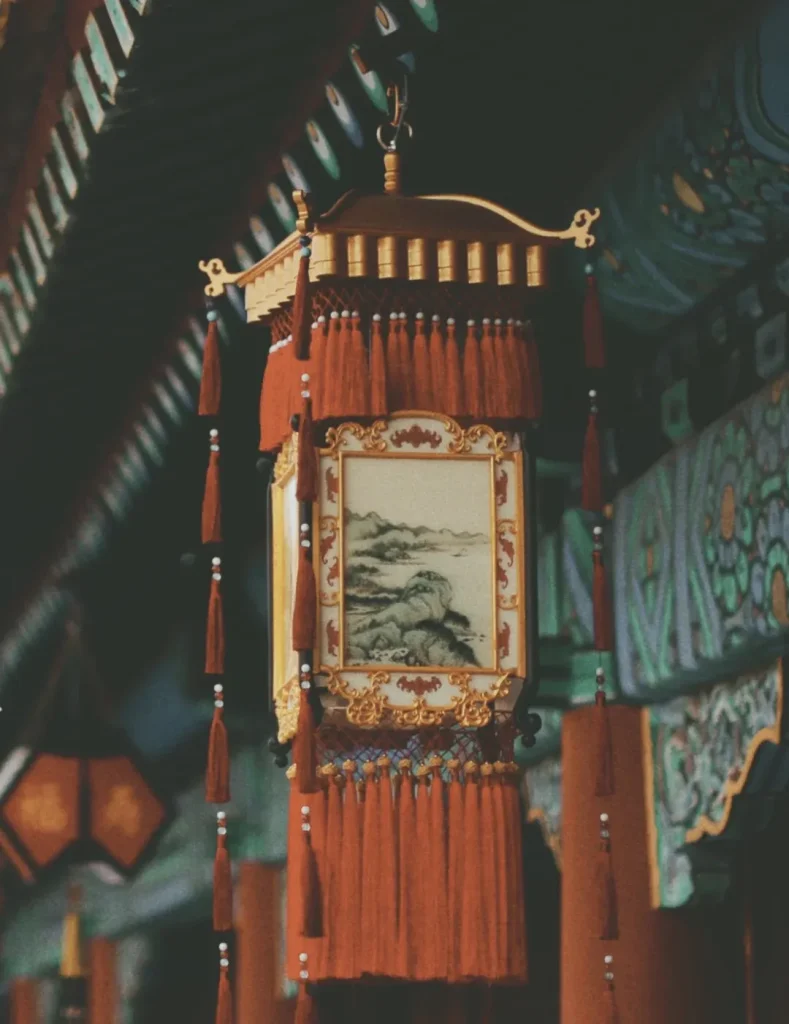
Palace Lantern (Gongdeng) — Ornate, hexagonal or octagonal lanterns historically used in the imperial palace, often painted with scenes or calligraphy and framed with carved wood or metal.
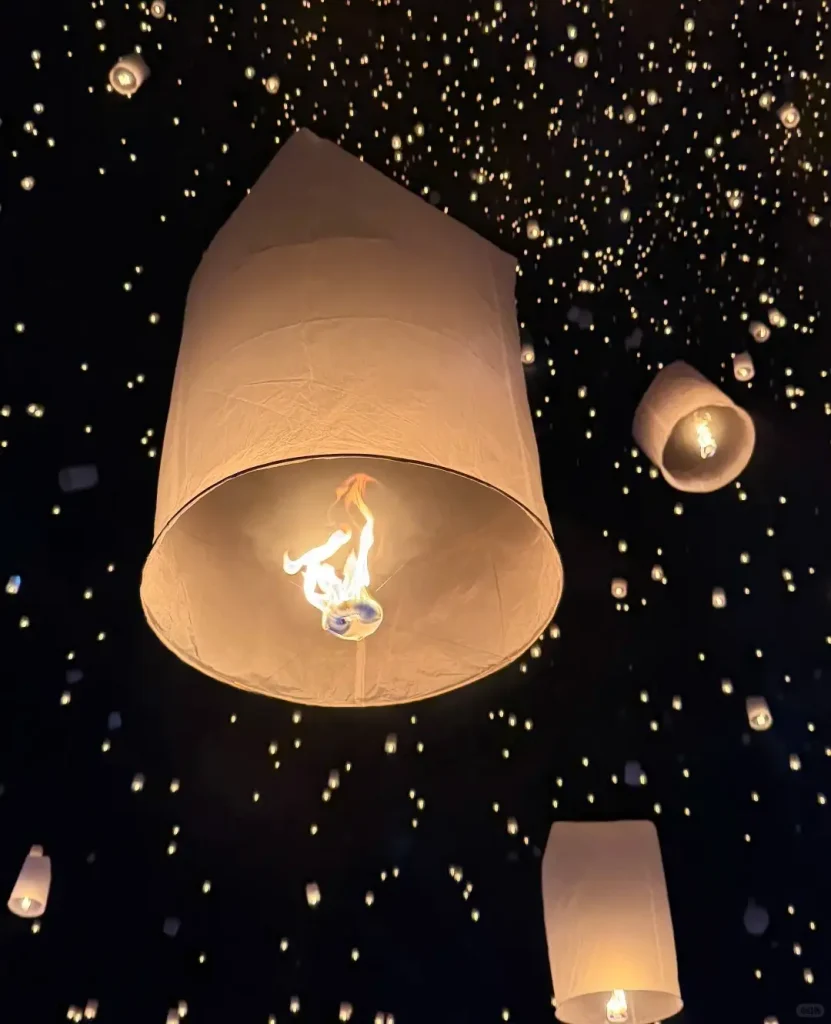
Sky Lantern (Kongming Lantern) — A small hot-air balloon-style lantern released into the sky, traditionally used to send wishes or signals. Named after the strategist Zhuge Liang (courtesy name Kongming), who is said to have invented it.
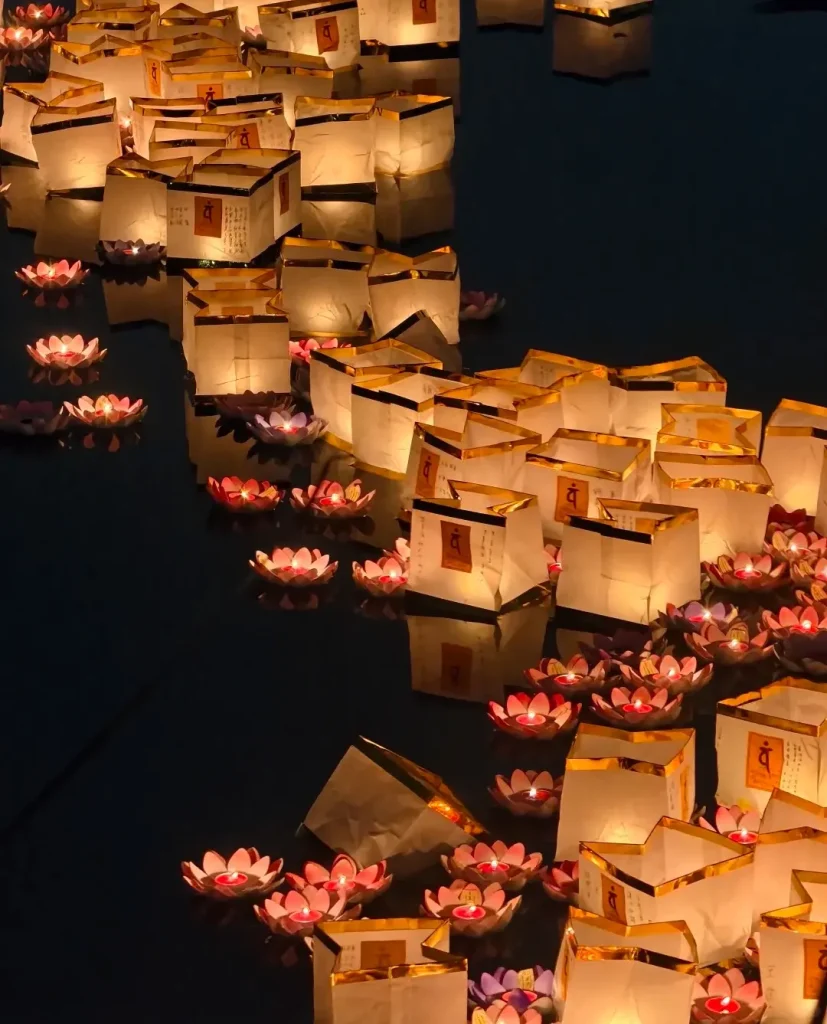
River Lantern — Small floating lanterns released onto rivers, often to honor ancestors or departed loved ones, commonly seen during the Hungry Ghost Festival.
Animal & Zodiac Lanterns — Elaborate lanterns shaped like dragons, rabbits, or other zodiac animals, common at large festival displays and lantern fairs.

Riddle Lantern — Lanterns with paper riddles attached, a popular Lantern Festival tradition where guessing the riddle correctly brings good luck.
Good fortune and prosperity — The color red, used in most traditional lanterns, is strongly associated with luck, happiness, and warding off evil spirits in Chinese culture.
Reunion and hope — Because lanterns are central to the Lantern Festival, which marks the end of Chinese New Year celebrations, they’ve come to represent family reunion and the hope for a bright year ahead.
Guidance and remembrance — Floating river lanterns, in particular, symbolize guiding the spirits of ancestors and lighting the way for the departed, a tradition still practiced during certain festivals.
Wishes and aspirations — Sky lanterns are often released with wishes written on them, carrying hopes into the night sky.
The most famous celebration associated with lanterns is, unsurprisingly, the Lantern Festival (元宵节, Yuanxiao Jie). Falling on the fifteenth day of the first lunar month, it marks the final day of Chinese New Year celebrations. Streets and temples are decorated with thousands of lanterns, families gather to solve lantern riddles, and sweet rice dumplings called yuanxiao are eaten to symbolize family togetherness.
Large-scale lantern festivals today, such as those in Zigong and Nanjing, have become major tourist attractions, featuring massive illuminated sculptures that combine centuries-old craft techniques with modern lighting technology.
While their practical role as a light source has faded, Chinese lanterns remain a powerful visual symbol in modern celebrations, home decor, and even fashion. Red lanterns are commonly hung during Chinese New Year, weddings, and business openings to invite good fortune. They also frequently appear alongside traditional dress — lanterns and hanfu are often paired together in photography, festival displays, and cultural events, both evoking a shared sense of heritage and celebration.
For anyone interested in Chinese traditional culture, understanding the meaning behind the lantern adds depth to something that might otherwise be seen as simple decoration — each glow carries centuries of history, hope, and celebration behind it.