

In recent years, the flowing silhouettes and poetic grace of Chinese Hanfu have captured imaginations far beyond China’s borders. More than just historical clothing, Hanfu has become a canvas for cultural expression—nowhere more vividly than in the art of the Chinese Hanfu portrait.
Blending traditional attire with modern photography, Hanfu portraits create images that feel both timeless and deeply personal.
Whether you’re a photographer seeking inspiration, a Hanfu enthusiast planning your first photoshoot, or simply curious about this visual renaissance, this guide will help you understand the beauty behind every fold, fabric, and pose.
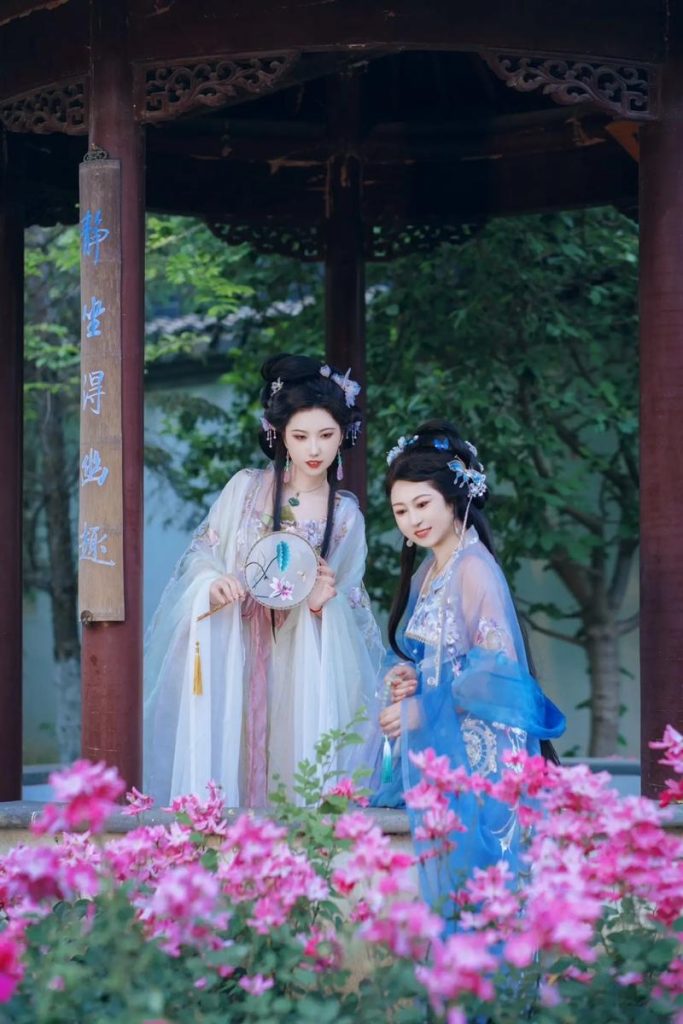
A Hanfu portrait is never just a photo.
It’s a story.
When someone dons Hanfu and steps before the lens, they often do so to reconnect—with ancestry, aesthetics, or a sense of belonging in a globalized world. For diaspora communities, these portraits can be acts of cultural reclamation. For admirers, they serve as a gateway into a living tradition.
Unlike costume photography, authentic Hanfu portraiture honors historical and cultural context. It asks deeper questions:
- What does this garment represent?
- How did people move, sit, and express themselves in it?
The most compelling portraits answer not with fantasy, but with reverence shaped by artistry.

Creating a compelling Hanfu portrait requires attention to several essential elements. Together, they define the balance between authenticity and visual poetry.
Choose a Hanfu style that aligns with your theme and environment.
- Flowing summer robes pair beautifully with misty lakes or rivers at dawn
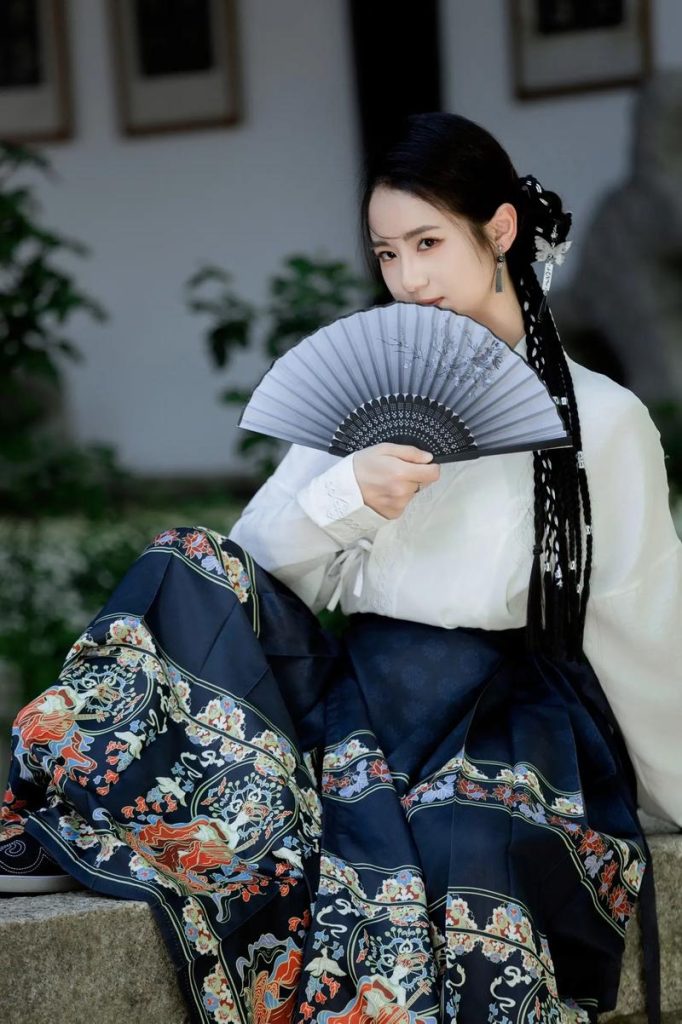
- Structured garments like the mamianqun (horse-face skirt) complement palace architecture or formal courtyards
Pay close attention to layering—Hanfu is rarely a single garment. Proper structure enhances both historical accuracy and visual depth.
Traditional Hanfu makeup emphasizes restraint and harmony:
- Natural brows
- Pale, even skin tones
- Subtle lip stains
Modern interpretations may incorporate light contouring, but heavy Western glam can disrupt the aesthetic balance.
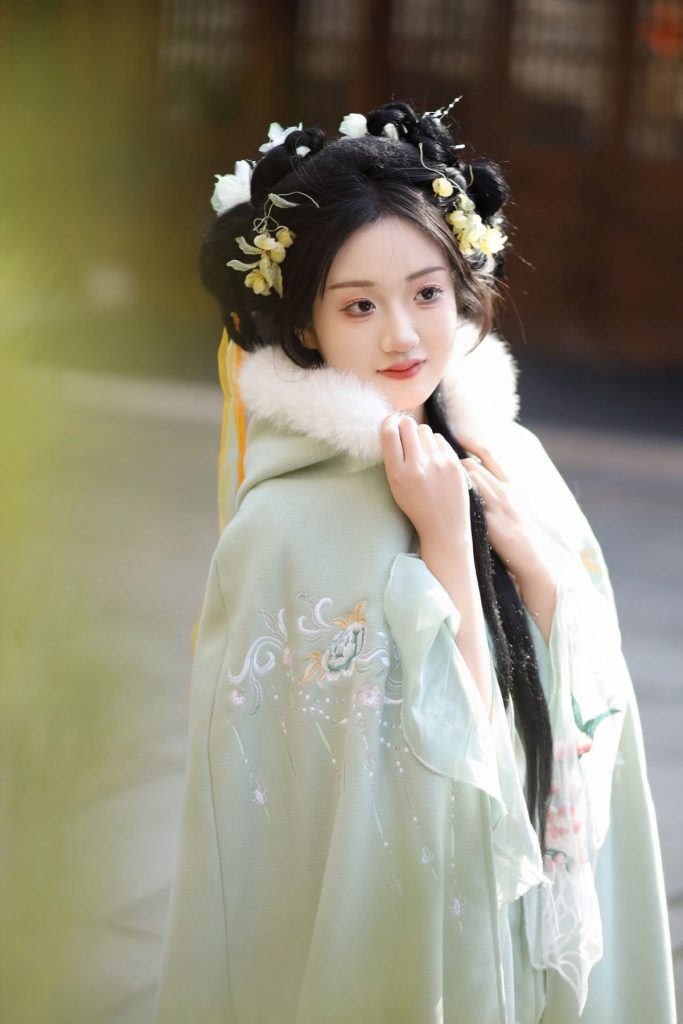
Hairstyles range from simple buns to elaborate arrangements adorned with jade hairpins or silk flowers. Historically, hair held spiritual significance—its styling was often ritualistic, not decorative alone.
Grace lies in stillness.
Look to classical Chinese paintings for inspiration: gently clasped hands, a slight tilt of the head, eyes calm yet present. Overly dramatic or fashion-forward poses should be avoided unless intentionally blending eras.
Often, a serene gaze conveys more emotion than a smile.
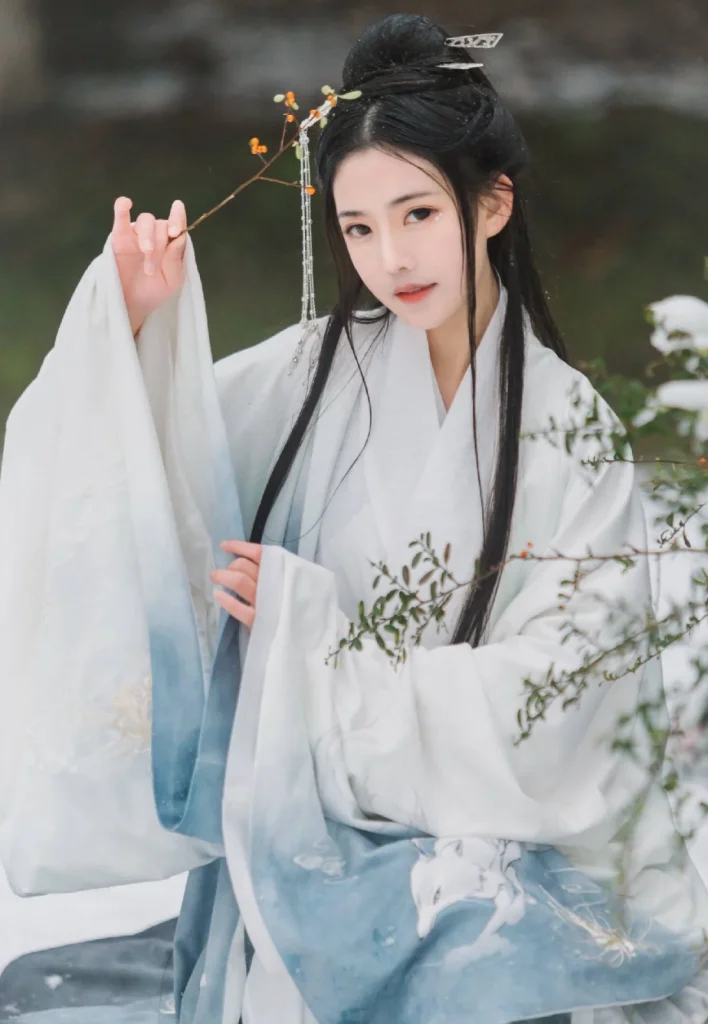
Your setting should complement the subject—not compete with it.
Ideal environments include:
- Classical Chinese gardens
- Bamboo groves
- Temple courtyards
- Minimalist studios with ink-wash backdrops
Seasonal harmony matters as well: cherry blossoms in spring, lotus ponds in summer, red maples in autumn.
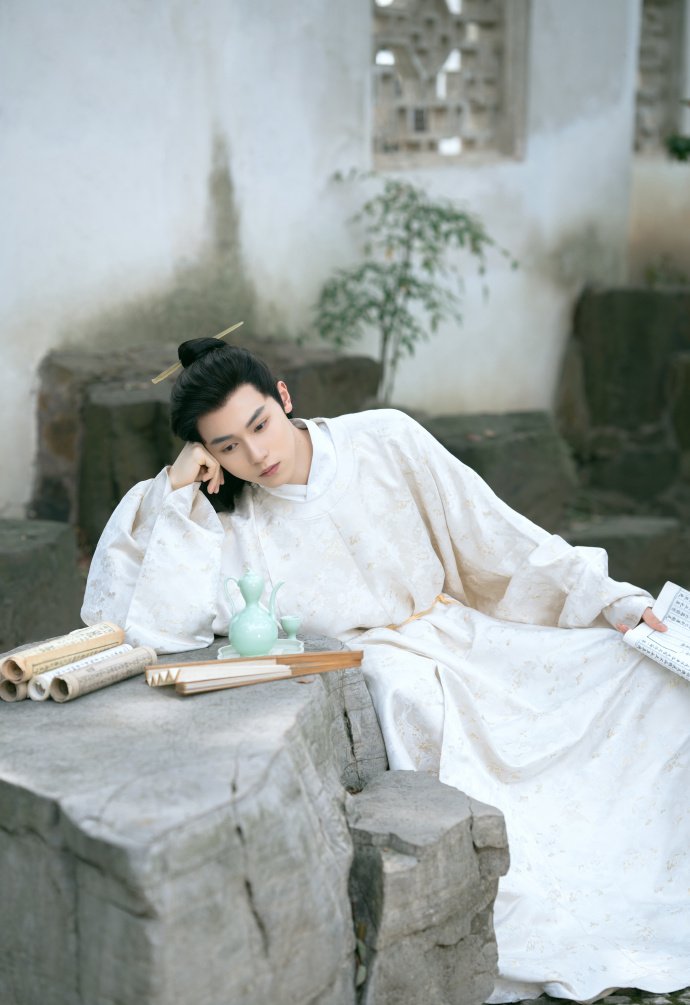
Soft, diffused natural light best enhances the delicate textures of silk and linen. Early morning and golden hour are ideal.
Use wide apertures to soften backgrounds and highlight garment details. When composing your frame, draw from traditional Chinese principles such as liubai (留白)—the art of leaving intentional empty space to suggest meaning beyond the visible.
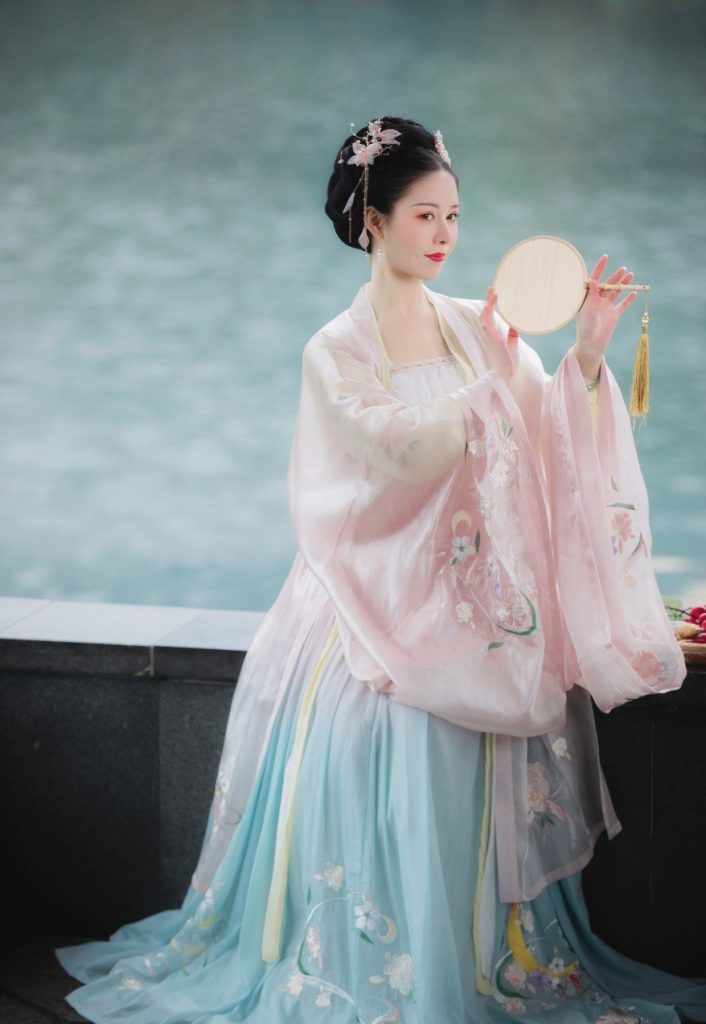
- Do your research: Not all “Hanfu-style” outfits are historically accurate
- Prioritize respect over trends: Avoid mixing Hanfu with unrelated cultural symbols
- Collaborate thoughtfully: Work with stylists and makeup artists familiar with East Asian aesthetics
- Tell a story: Ask your subject why they chose Hanfu and let that answer guide the shoot
If you’re new to Hanfu photography, start with intention—not complexity.
- Find authentic Hanfu through trusted retailers or cultural communities
- Begin with a classic ruqun (top-and-skirt ensemble)—versatile and beginner-friendly
- Scout locations carefully: pavilions, botanical gardens, quiet courtyards, or minimalist urban spaces
- Time it right: shoot during golden hour for soft, flattering light
- Use meaningful props: folding fans, oil-paper umbrellas, calligraphy scrolls, or poetry books
Hanfu (汉服)—literally “Han clothing”—refers to the traditional dress systems worn by the Han Chinese for over three millennia, from the Shang dynasty through the Ming dynasty.
Each era shaped a distinct aesthetic:
- Tang dynasty: bold silhouettes and open-necked robes
- Song dynasty: refined minimalism
- Ming dynasty: structured elegance and ritual formality
Beyond fashion, Hanfu reflects Confucian ideals of harmony, balance, and modesty. Colors convey symbolism—red for joy, blue for heaven, white for purity—while accessories signal status, season, or marital identity.
Today’s Hanfu revival is not nostalgia. It is a living dialogue between heritage and modern identity.
A Chinese Hanfu portrait is an invitation—to slow down, honor history, and rediscover beauty through balance.
In an era of fast fashion and fleeting trends, these images remind us that clothing can carry memory, and identity can be stitched in silk.
Whether you’re holding a camera or gathering a brocade sleeve, remember:
you’re not just capturing a look—you’re participating in a centuries-old conversation, one frame at a time.
We’d love to see your Hanfu journey.