
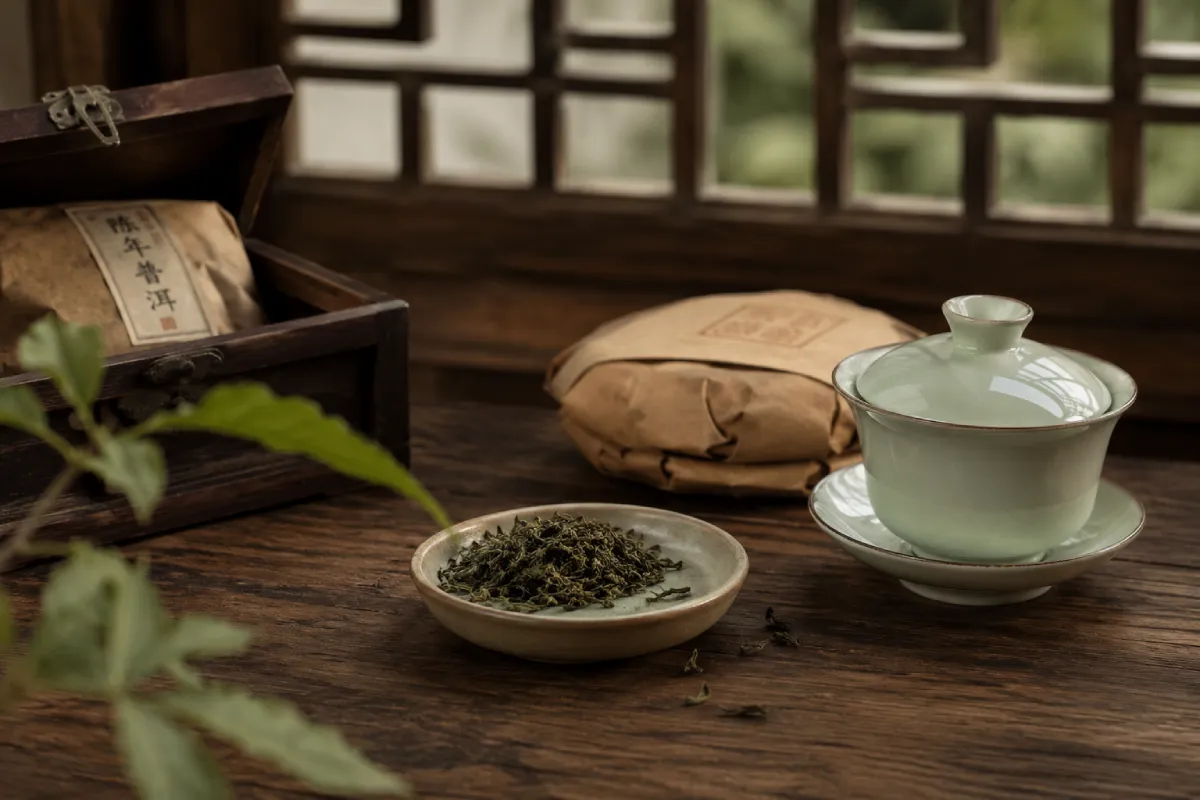
That box of tea pushed to the back of the cupboard has probably crossed your mind at some point. Is it still good? Does tea expire the way milk or bread does, or can it sit there indefinitely? The honest answer is somewhere in between. Tea doesn’t spoil in the traditional sense, but it does fade — losing aroma, flavor, and some of its beneficial compounds over time. Understanding how this works, and how long different teas actually last, will help you get the most out of every cup and know when it’s finally time to replace your stash.
Tea is a dried product, which makes it naturally resistant to spoilage. Unlike fresh produce or dairy, properly dried and stored tea does not become dangerous to drink simply because time has passed. In that sense, tea does not “expire” the way perishable food does.
That said, tea is not indestructible either. Over time, the volatile oils, catechins, and other polyphenols responsible for a tea’s flavor and aroma break down through oxidation. The result is a cup that tastes flat, dull, or stale rather than dangerous. The “best by” date printed on most commercial tea packaging is not a true expiration date — it is the manufacturer’s estimate of when the tea is at peak quality, not the point after which it becomes unsafe.
The one real exception is improper storage. Tea exposed to moisture and warmth for an extended period can develop mold or attract pests, and tea in that condition should always be discarded regardless of its age.
Shelf life varies significantly by tea type, largely depending on how much oxidation the leaves undergo during processing. Lightly oxidized teas tend to fade fastest, while heavily oxidized or fermented teas can last for years — sometimes improving with age.
Here is a general reference for how long each major tea type stays at its best when stored properly:
| Tea Type | Typical Shelf Life |
|---|---|
| Green Tea | 6 months to 1 year |
| White Tea | Up to 2 years |
| Green Oolong | About 1 year |
| Roasted Oolong | Up to 2 years |
| Black Tea | 2 years or more |
| Herbal Tea | Up to 2 years |
| Pu-erh Tea | Improves for decades with proper aging |
Tea bags generally have a shorter window than loose leaf tea of the same type. Because tea bags contain finely ground leaf particles with more surface area exposed to air, they lose flavor faster — typically within three to four months once opened, or up to a year if the package remains sealed. Loose leaf tea, especially higher-grade leaf, tends to hold its character much longer when stored correctly.
The difference in shelf life between tea types comes down to processing. Green tea is steamed or pan-fired immediately after harvest specifically to halt oxidation, which is what preserves its fresh, grassy character. The trade-off is that this same minimal processing leaves more volatile aromatic oils intact — and those oils are exactly the compounds that degrade fastest once exposed to air, light, and time. That is why green tea is consistently the first tea type recommended for replacing, ideally within six months to a year of purchase.
Black tea, by contrast, is fully oxidized during processing. This transforms its chemical structure, stabilizing its natural oils and giving it a bolder flavor along with a longer shelf life. The lower moisture content of fully oxidized leaf also makes black tea more resistant to staleness, which is part of why it remains one of the most forgiving teas to store long-term.
Pu-erh stands apart from every other tea type because it is post-fermented rather than simply oxidized. This means it continues to undergo a slow microbial aging process long after it leaves the tea garden. Under the right conditions — low humidity, darkness, and gentle airflow — pu-erh develops deeper, earthier, more complex flavors over years or even decades. Some aged pu-erh cakes are specifically sought after and priced higher precisely because of their age, much like a fine wine or aged spirit.
This makes pu-erh the one tea where the usual advice to “use it before it fades” does not apply. If you have aged pu-erh stored properly, there is no rush to drink it — in many cases, waiting longer will only improve the result.
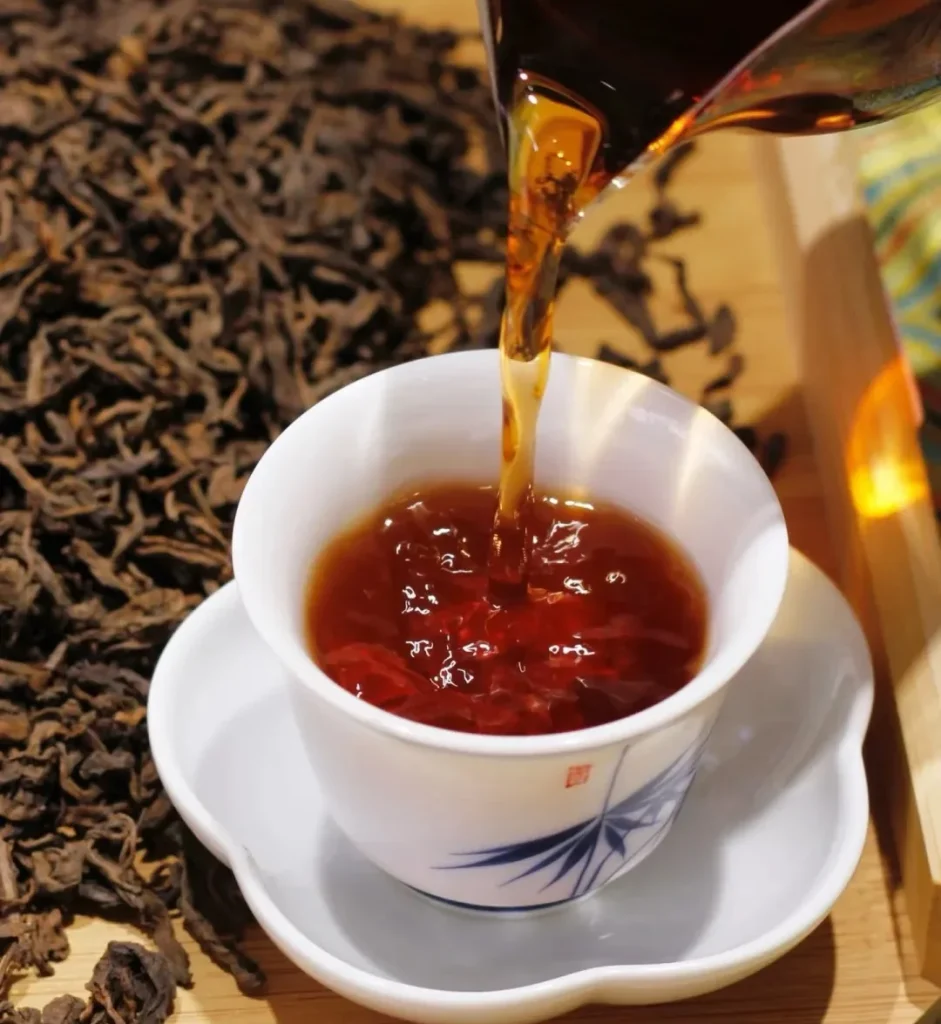
Because tea fades gradually rather than spoiling suddenly, it helps to know exactly what to look, smell, and taste for when judging an older batch.
Weak or Absent Aroma
Fresh tea should smell vibrant and true to its type — grassy for green tea, malty or fruity for black tea, fragrant for herbal blends. If the dry leaves have little to no scent, the volatile oils have already broken down and the tea will brew weak.
Flat or Stale Flavor
A fresh cup of tea should taste similar to how it smells. If your brewed tea tastes dull, flat, or bitter in a way that doesn’t match its usual profile, the catechins and polyphenols responsible for flavor have likely oxidized past their peak. This is the most common sign of aging tea and is harmless to drink, just disappointing.
Color Changes
Exposure to heat and light can cause tea leaves to darken or shift in color compared to when they were purchased. While this alone does not make tea unsafe, it is a reliable visual cue that the tea has been degrading and may be ready for replacement.
Mold or Musty Smell
This is the one sign that genuinely matters for safety. A strong, musty, or dank odor — or any visible mold, even in small patches — means the tea was exposed to moisture during storage and should be thrown out immediately. Mold can develop on both loose leaf tea and tea bags, so check carefully if your tea has ever been stored somewhere humid.

In most cases, yes. If your tea has been stored correctly — sealed, dry, and away from heat and light — drinking it past its printed “best by” date is unlikely to cause harm. What you will notice is a noticeable drop in flavor, aroma, and potentially the antioxidant content that makes tea appealing in the first place. Think of it the way you would think about spices that have sat in your cabinet for years: not dangerous, just no longer doing much for you.
The exception is tea that shows signs of mold, insect infestation, or a strongly unpleasant odor. These are not signs of normal aging — they indicate the tea was compromised by poor storage conditions, and in those cases the tea should be discarded rather than brewed.
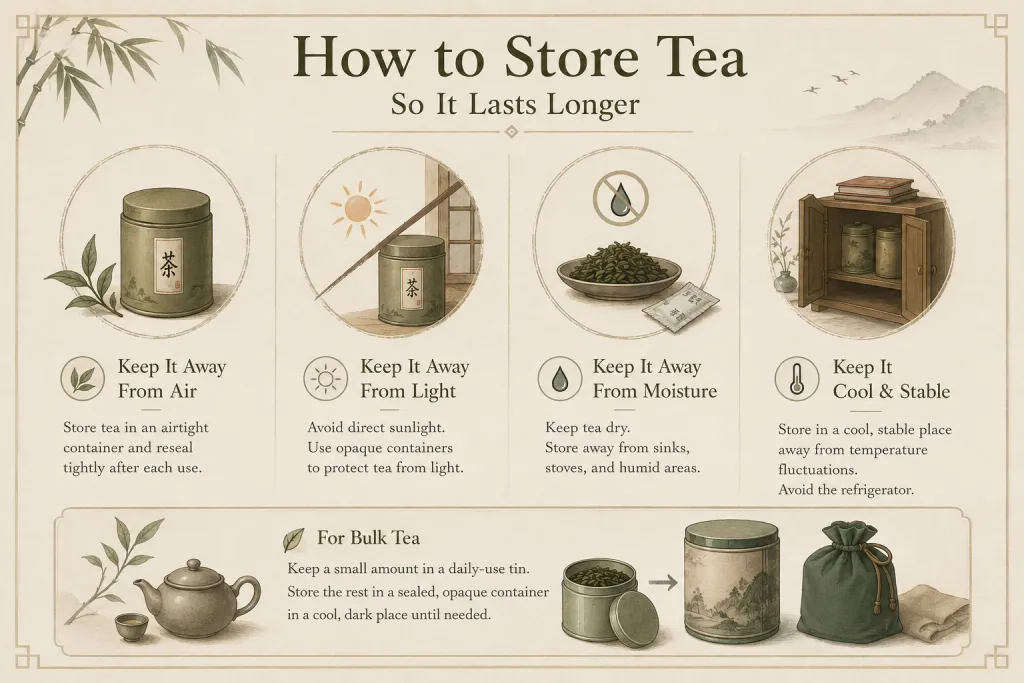
Proper storage is the single biggest factor in how long your tea stays fresh — often making a bigger difference than the type of tea itself. Tea is sensitive to four main elements, and protecting against all four will dramatically extend its useful life.
Keep It Away From Air
Oxygen exposure accelerates the same oxidation process that naturally occurs during tea processing, just in an uncontrolled way. Store tea in an airtight tin or container, and reseal the bag or pouch tightly after every use.
Keep It Away From Light
Light, especially direct sunlight, breaks down the compounds responsible for flavor and color. Avoid clear glass jars for long-term storage — opaque tins or ceramic containers are a far better choice, particularly for delicate green teas and green oolongs.
Keep It Away From Moisture
Moisture is the one factor that can cause tea to genuinely spoil rather than simply fade, since it creates conditions for mold growth. Store tea in a dry area, never near a stove, sink, or humid bathroom cabinet.
Keep It Away From Heat
Heat speeds up every chemical reaction that degrades tea quality. A cool cupboard away from appliances that generate warmth is ideal. Avoid storing tea in the refrigerator, as the temperature fluctuations and ambient moisture inside can actually do more harm than good.
If you tend to buy tea in larger quantities than you can use quickly, consider splitting your supply: keep a small amount in a daily-use tin and store the rest in a sealed, opaque container in a cool, dark place until needed.
Does tea really expire?
Not in the way perishable food does. Properly stored tea does not become unsafe simply because time has passed — it loses flavor and aroma gradually rather than spoiling. The main exception is tea exposed to moisture, which can develop mold and should be discarded.
Can I drink tea past its best-by date?
Yes, as long as it was stored properly and shows no signs of mold or off odors. The flavor and aroma will likely be weaker than fresh tea, but it is generally still safe to brew and drink.
Do tea bags expire faster than loose leaf tea?
Yes. Tea bags contain finely ground leaf particles with more surface area exposed to air, which causes them to lose flavor faster than whole or large-leaf loose tea. Tea bags typically stay fresh for three to four months once opened, while quality loose leaf tea can last a year or more.
Which tea lasts the longest?
Pu-erh tea lasts the longest by far, since it is designed to age and can improve in flavor over decades when stored properly. Among non-fermented teas, fully oxidized black tea and roasted oolong tend to hold their quality longest.
How do I know if my tea has gone bad?
Check the aroma first — fresh tea should smell vibrant and clearly resemble its type. If the dry leaves smell weak, musty, or moldy, or if a brewed cup tastes flat and lifeless compared to how it normally tastes, the tea has either faded or, in the case of mold, gone bad and should be discarded.
So, does tea expire? Not in the dramatic sense of becoming dangerous overnight, but it does fade — and how quickly depends heavily on the type of tea and how well it’s been protected from air, light, moisture, and heat. Delicate green teas and green oolongs ask to be enjoyed within the first year, fully oxidized black teas and roasted oolongs hold their character much longer, and pu-erh stands alone as a tea that genuinely improves with patient aging.
The simplest way to make sure every cup lives up to its potential is to store tea properly from the start — sealed, dark, dry, and cool — and to trust your nose and your palate when deciding whether it’s time to brew up the last of an old batch or start fresh.