

Yes, ancient Chinese people absolutely had earrings. The history of ear ornaments in China is a fascinating and intricate tapestry, stretching back over 8,000 years. Far from being a simple accessory, the earring’s story reflects profound shifts in aesthetics, social hierarchy, ethnic identity, and philosophical beliefs.
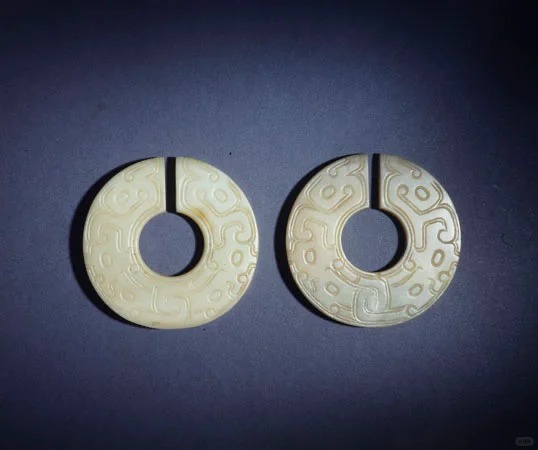
The earliest known Chinese earrings are not the dangling kind we might picture today, but rather the Jue (玦). Dating back to the Neolithic period (with examples like those from the Chahai site around 6000 BCE), these were C-shaped jade rings with a small gap. They were worn by both men and women by slipping the earlobe into the opening. The Jue was more than just decoration; its name is a homophone for “to decide” or “to sever,” and it could symbolize resolution or the severing of a relationship.
Following the Jue, the Er-dang (耳珰) became the quintessential ear ornament, especially during the Han and Jin dynasties (206 BCE – 420 CE).
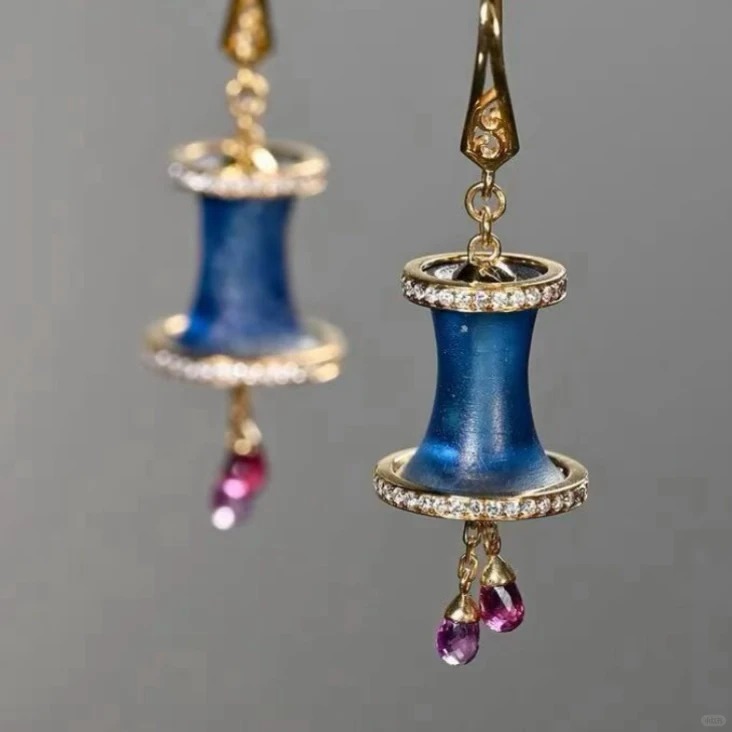
- Form and Material: The Er-dang was typically a spool-shaped or dumbbell-shaped ornament, designed to be inserted directly into a stretched earlobe piercing. They were crafted from exquisite materials like jade, agate, and the highly prized liuli (琉璃), a form of ancient glass.
- The “Bright Moon” Earring: Literature from this period frequently mentions the “Mingyue-dang” (明月珰), or “Bright Moon Earring,” a testament to the luminous beauty of these polished ornaments. The famous poem The Peacock Flies to the Southeast describes the heroine as having “ears adorned with bright moon earrings.”
The Tang Dynasty (618–907) presents a fascinating paradox in the history of Chinese earrings. For a significant portion of this era, particularly the High Tang, ear piercing was not fashionable among elite Han Chinese women. Influenced by the Confucian ideal of preserving the body intact, many chose not to pierce their ears.
However, the Tang Dynasty was also a cosmopolitan golden age. The influence of foreign cultures, especially from Central Asia, was immense. While Han women might have avoided piercings, non-Han women, dancers, and entertainers frequently wore elaborate earrings. Poems from the mid-to-late Tang period, such as those describing the whirlwind “Hu Xuan” dance, mention the dazzling sight of earrings flying like stars (“骊珠迸珥逐飞星”). Archaeological finds, like the exquisite gold eardrops with gemstone inlays unearthed in Yangzhou, confirm that elaborate, dangling earrings were indeed present and admired during this vibrant era.
The Song Dynasty (960–1279) marked a significant turning point. The influence of ethnic minorities from the north, combined with evolving social norms, led to the widespread acceptance of ear piercing among Han Chinese women. Ear piercing, once controversial, became a standard feminine practice.
- Aesthetic Shift: Song-era earrings tended to be more delicate and restrained, often made of silver or gold with subtle designs featuring flowers, fruits, and other natural motifs that carried auspicious meanings. For example, a lychee motif might symbolize fertility.
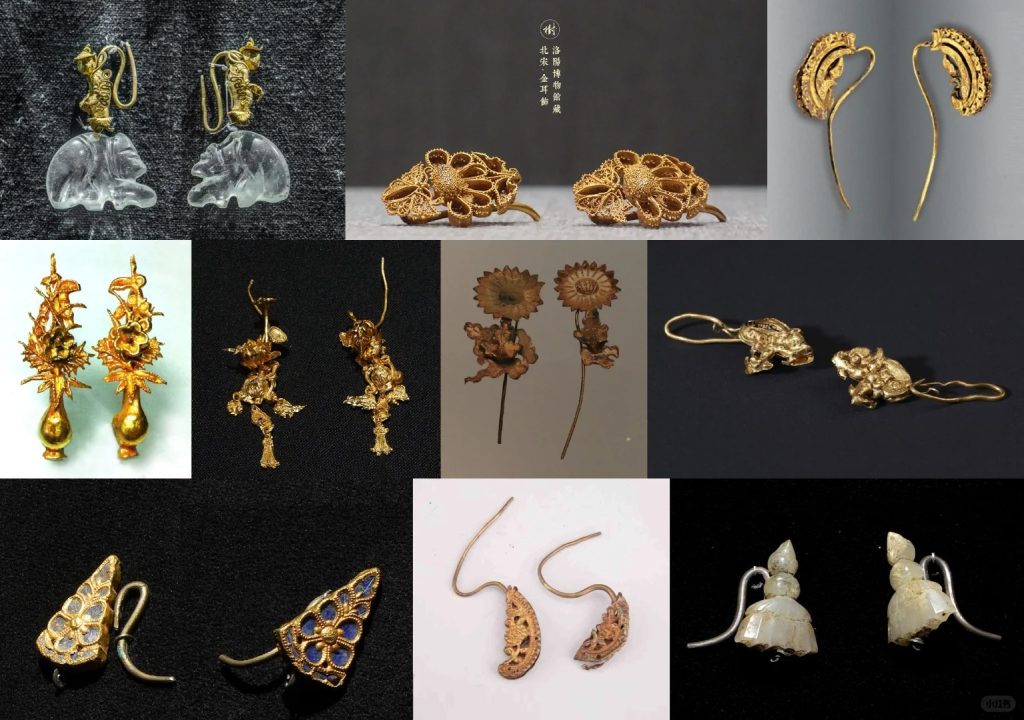
The art of the earring reached its zenith during the Ming (1368–1644) and Qing (1644–1912) dynasties, characterized by unparalleled craftsmanship and variety.
- Ming Dynasty (1368–1644): This era saw a flourishing of goldsmithing techniques like filigree and intricate engraving. A particularly popular style was the “Dingxiang” (丁香), or “Clove Earring.” This was a small, stud-like earring, often with a pearl or gemstone set in the head, resembling a clove bud.
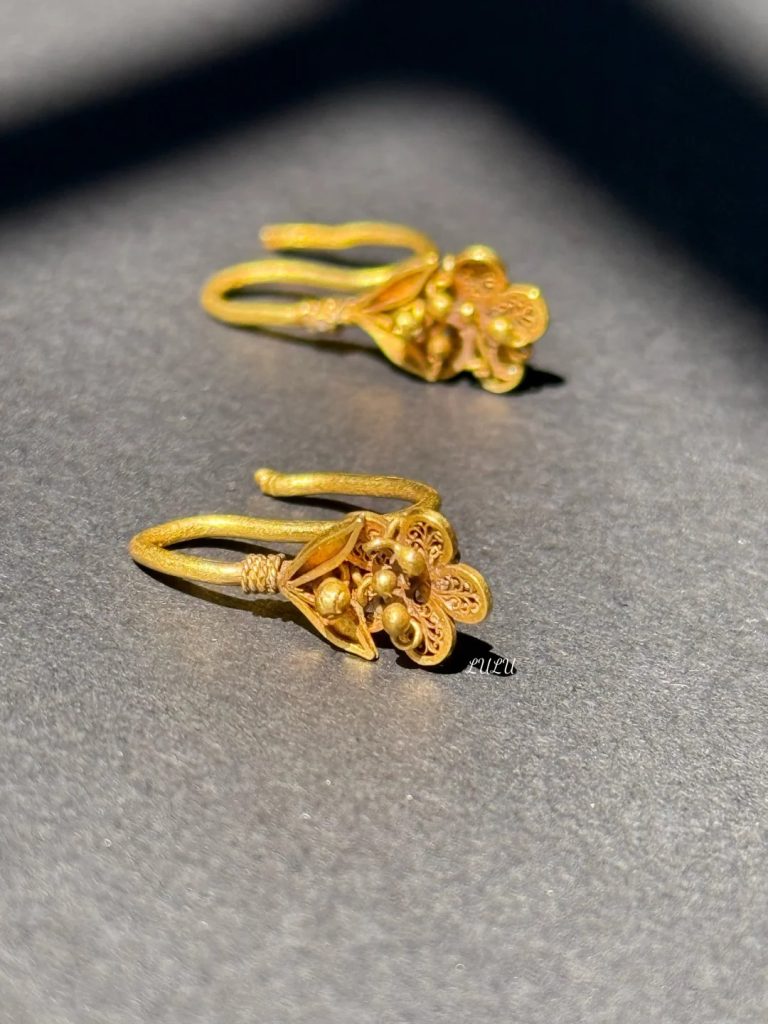
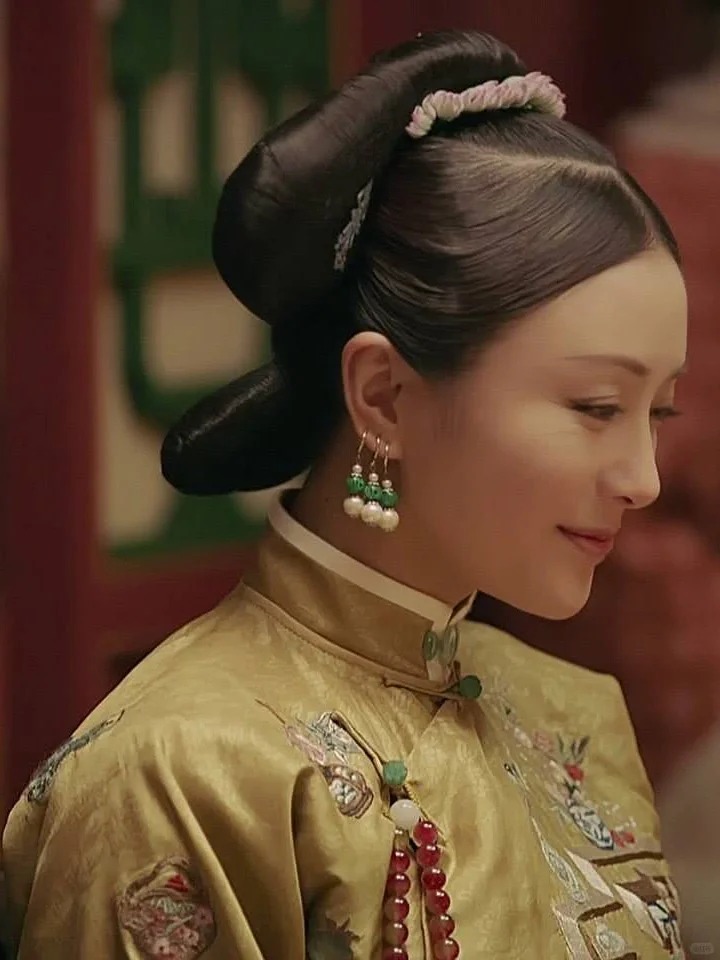
- Qing Dynasty (1644–1912): The Manchu rulers brought their own distinctive customs. The most famous was the “Yi’er Sanqian” (一耳三钳), or “Three Earrings per Ear.” Manchu women would have three piercings in each earlobe and wear three matching or complementary earrings. This style became a defining feature of Manchu aristocratic dress and a symbol of ethnic identity. Earrings became more elaborate, incorporating tassels, kingfisher feather inlays (点翠), and large pearls.
| Style & Era | Description |
|---|---|
| Jue (玦) Neolithic, Shang, Zhou | The earliest earring form. A C-shaped jade ring with a gap, worn by both genders to symbolize resolve or separation. |
| Er-dang (耳珰) Han, Jin | A spool-shaped ornament inserted into stretched earlobes. Crafted from jade or glass, it was celebrated in poetry as the “Bright Moon Earring.” |
| Tian / Chonger (瑱 / 充耳) Zhou, Han, Wei, Jin | A non-pierced ornament suspended from hairpins. It hung beside the ear, favored by elites adhering to Confucian views on preserving the body. |
| Dingxiang (丁香) Ming, Qing | A delicate, stud-like earring resembling a clove bud. Often set with small pearls or gems, it was a staple for elegant daily wear. |
| Yi’er Sanqian (一耳三钳) Qing | A Manchu tradition involving three piercings per ear. Wearing three matching earrings signified ethnic identity and aristocratic status. |
1. Did ancient Chinese men wear earrings? Yes, in ancient times, ear ornaments were not exclusive to women. During the Neolithic period and early dynasties (such as the Shang and Zhou), men, particularly nobles and warriors, wore Jue (玦). However, as Confucian ideals took hold and fashion evolved, the practice of men wearing earrings largely faded, becoming a predominantly feminine custom by the Ming and Qing dynasties.
2. What is the difference between “Chonger” and earrings? The main difference is the method of attachment. Earrings (like the Er-dang) require a pierced earlobe. Chonger (充耳), also known as Tian, are ornaments that hang from the hairpin or headdress and dangle beside the ear without touching or piercing it. Chonger were favored by those who followed strict Confucian teachings against body modification or simply preferred the elegance of non-pierced jewelry.
3. Why did Manchu women wear three earrings in one ear? This custom, known as “Yi’er Sanqian” (一耳三钳), was a distinctive tradition of the Manchu people. Originally, it was practical for nomadic life, as the heavy earrings helped keep the ears warm. Later, it became a symbol of Manchu identity and status. When the Qing court issued sumptuary laws, they mandated that Manchu women must wear three earrings per ear, distinguishing them from Han Chinese women, who typically wore only one.
4. What materials were ancient Chinese earrings made of? The materials varied greatly depending on the era and the wearer’s social status.
- Neolithic/Early Dynasties: Primarily Jade (nephrite), stone, or pottery.
- Han/Jin Dynasties: Jade, Agate, Crystal, and Liuli (ancient glass).
- Ming/Qing Dynasties: Gold, Silver, Pearls, and elaborate inlays using Kingfisher feathers (Diancui) or gemstones.
5. Can I wear historical earrings with my Hanfu today? Absolutely! Recreating historical looks is a big part of the Hanfu movement.
- For Han, Wei, or Jin style Hanfu, look for Er-dang (spool-shaped) replicas or jade loops.
- For Song, Ming, or general Tang styles, Dingxiang (clove studs) or delicate gold/silver dangles are historically appropriate and look elegant.
Ancient Chinese earrings are a captivating subject. Spanning millennia of craftsmanship, they were never merely decorative; they were powerful symbols of status, philosophy, and aesthetic refinement. For enthusiasts of Hanfu and traditional culture, understanding the history of these ear ornaments provides a deeper appreciation for the rich and nuanced elegance of China’s past.