

In Chinese culture, the shape of food is never accidental. Round Chinese festival pastries are delicate treats enjoyed throughout the year, carrying deep symbolism of reunion, harmony, and completeness. From the Mid-Autumn mooncake to regional favorites like mung bean cakes and osmanthus pastries, these sweets are more than desserts—they are edible expressions of centuries-old traditions.
In Chinese philosophy, the circle represents the natural rhythm of life. The rising and setting sun, the waxing and waning moon, and family gatherings across generations all echo this shape. Unlike Western sweets that often emphasize individual indulgence, round Chinese festival pastries are made to be shared.
The full moon symbolizes wholeness and togetherness. Many Chinese festivals align with lunar cycles, and the round shape of pastries mirrors this celestial harmony. Eating one of these treats is more than enjoying a dessert—it is a quiet ritual of connection.
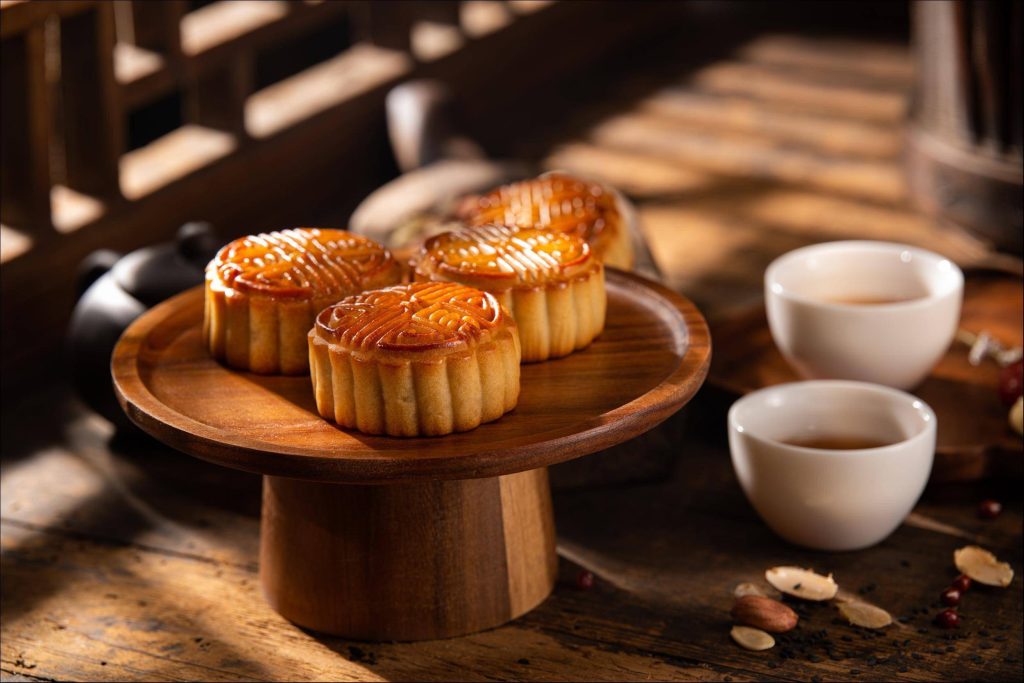
Mooncakes are the star of the Mid-Autumn Festival, celebrated around September or October. These golden brown pastries, often palm-sized, feature intricate designs such as floral patterns, Chinese characters for harmony, or scenes from the legend of Chang’e, the Moon Goddess.
Fillings commonly include lotus seed paste, red bean, or jujube, sometimes with a salted egg yolk at the center, symbolizing the full moon. Families gather to admire the night sky, share mooncakes, and express gratitude. Gifting mooncakes strengthens bonds across generations and communities.
The roundness of the mooncake reflects tuanyuan (family reunion), a cornerstone of Chinese cultural values.
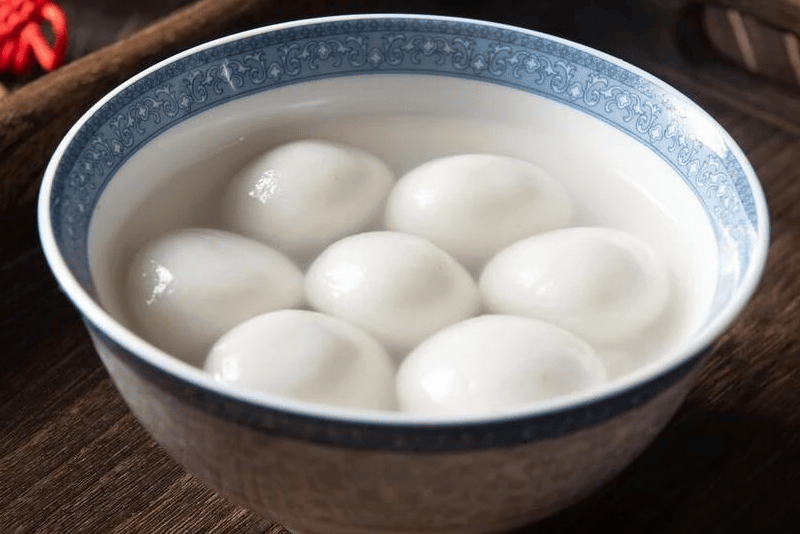
Tangyuan are chewy glutinous rice balls served in a warm, sweet broth, traditionally eaten during the Lantern Festival, the 15th day of the Lunar New Year. Their name sounds like tuanyuan, meaning reunion, making them a poetic symbol of family unity.
Tangyuan can be plain or filled with black sesame, peanut, or red bean paste. In some regions, they are served in clusters, representing the growing bonds of family. Humble yet meaningful, tangyuan offer deep emotional resonance beyond their taste.
Beyond mooncakes and tangyuan, Chinese festival pastries take many regional and seasonal forms, each reflecting local traditions and creativity.

Popular in summer and around the Dragon Boat Festival, mung bean cakes are made from finely ground, steamed mung bean flour. Light, slightly sweet, and often pressed into small round patties, they symbolize health and renewal.

A modern favorite with ancient roots, this flaky pastry wraps a sweet filling around a whole salted egg yolk, representing the full moon. While enjoyed year-round, it is especially popular during the Mid-Autumn Festival, reinforcing the theme of completeness and prosperity.
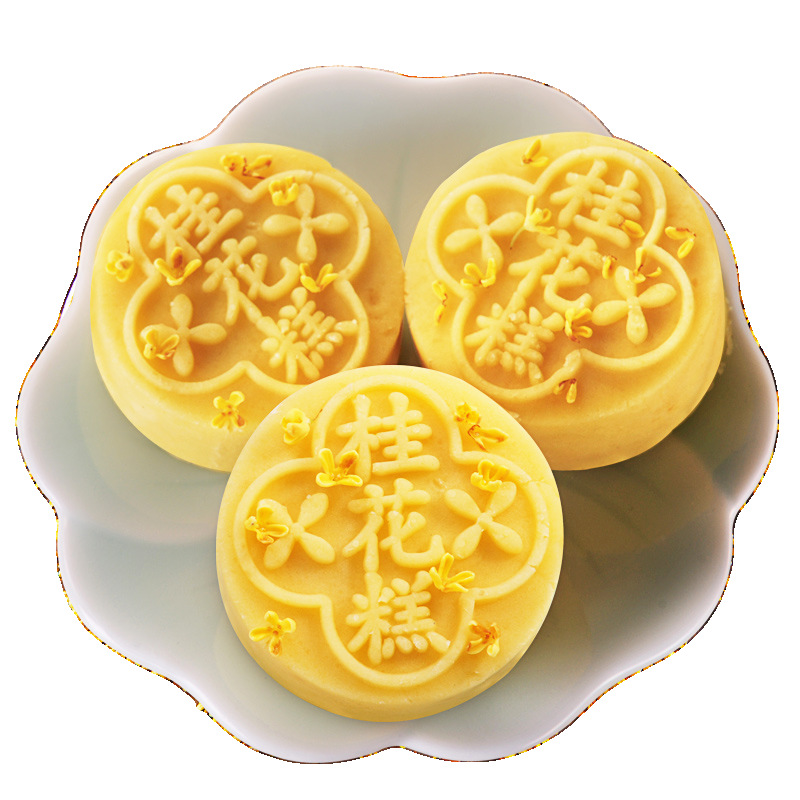
In southern China, osmanthus cakes are made with glutinous rice flour and fragrant osmanthus flowers, soft and slightly chewy. They inspired modern ice skin mooncakes, no-bake pastries with tender textures, pastel colors, and fruit or tea fillings, offering a contemporary twist on tradition.
For Western audiences, the emphasis on roundness may seem unusual, but in Chinese culture, it reflects a worldview that values balance, continuity, and shared joy. These pastries symbolize:
- Family reunion and unity
- Natural cycles and the moon
- Respect for tradition and ancestors
- Wishes for health, harmony, and prosperity
You don’t need to travel to China to experience these delights. Look for mooncakes and tangyuan in Asian grocery stores or Chinese bakeries. Try mung bean cakes, salted egg yolk pastries, and ice skin mooncakes at dim sum restaurants or Asian dessert shops.
Many cultural centers in the US, UK, Canada, and Europe host Mid-Autumn or Lantern Festival events, complete with food tastings, craft workshops, and moon viewing activities.
Round Chinese festival pastries are more than sweet treats—they are edible expressions of culture, memory, and unity. The next time you hold a mooncake, tangyuan, or delicate osmanthus cake, remember: you are holding a circle of meaning.