

When people imagine traditional Chinese elegance, one era often defines the visual imagination: the Ming Dynasty (1368–1644). Known for its artistic refinement, cultural revival, and architectural splendor — from the Forbidden City to classical gardens — the Ming era also gave us some of the most iconic and enduring styles in Hanfu history. Today, Ming Dynasty Hanfu stands as a symbol of regal beauty, intricate craftsmanship, and timeless sophistication, captivating fashion lovers and cultural explorers across Europe, North America, and beyond.
After the Mongol-led Yuan Dynasty, the Ming restoration marked a return to Han Chinese cultural identity. Emperors and scholars alike championed tradition, and clothing became a powerful expression of heritage, status, and moral order.
Ming Dynasty Hanfu is celebrated for:
- Structured silhouettes with defined waistlines and layered ensembles.
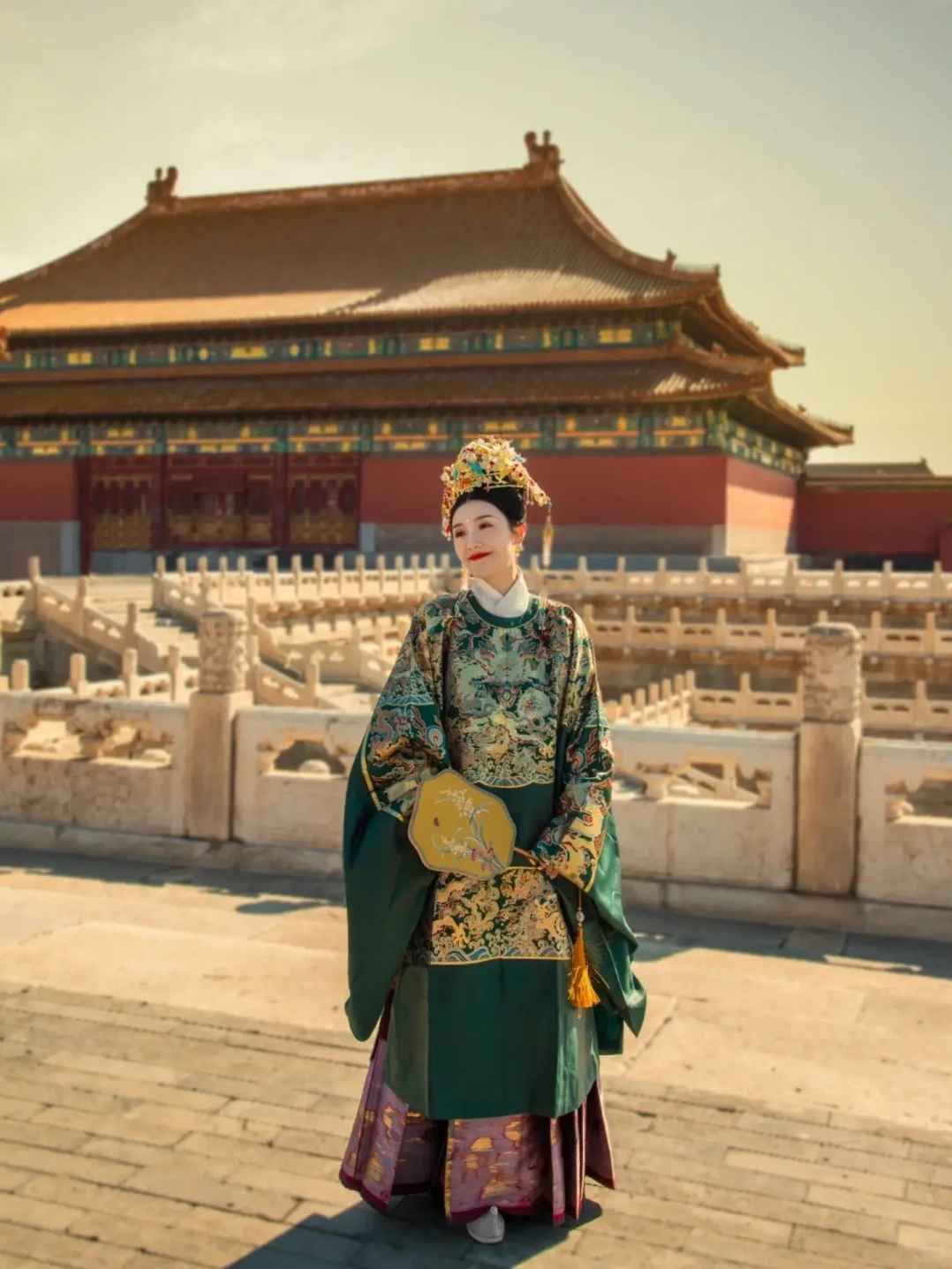
- Rich fabrics like silk damask, brocade, and satin in deep, luxurious colors — crimson, sapphire, emerald, and gold.
- Elaborate embroidery featuring dragons, phoenixes, peonies, and cloud patterns, often symbolizing power, prosperity, and harmony.
- Distinct gender styles, with women’s fashion reaching new heights of elegance and formality.
This was not just clothing — it was art in motion.
For those discovering Hanfu, the Ming era offers some of the most recognizable and wearable designs:
The aoqun consists of a long, buttoned jacket (ao) worn over a high-waisted skirt (qun). Ming-style ao jackets are typically fitted at the waist, with narrow sleeves and intricate front closures. This ensemble became the everyday wear for Han Chinese women and remains one of the most popular modern Hanfu styles today.
While originating in earlier dynasties, the shenyi was reinterpreted during the Ming era with stricter Confucian ideals. It was worn by scholars and officials, symbolizing moral integrity and scholarly virtue.
Reserved for royalty and high-ranking officials, dragon robes featured five-clawed dragons — a symbol of imperial authority. Women of the court wore fengguan xiapei (phoenix crowns and embroidered stoles), especially during weddings, creating one of the most photographed and admired Hanfu looks in history.
Ming Dynasty Hanfu resonates deeply with Western audiences for several reasons:
- Visual drama: The bold colors, rich textures, and striking silhouettes make it ideal for photography, cosplay, and cultural performances.
- Historical romance: The Ming era evokes images of imperial palaces, moonlit gardens, and poetic scholars — a world many in the West find enchanting.
- Fashion versatility: Modern adaptations of aoqun can be worn casually or formally, making them accessible for daily wear or special events.
- Cultural storytelling: Every element — from sleeve length to embroidery motif — carries meaning, inviting wearers to engage with Chinese history and philosophy.
“I first saw Ming Hanfu at a cultural festival in Amsterdam,” says Elena Fischer, a fashion student in Vienna. “The way the fabric shimmered in the light, the precision of the embroidery — it felt like stepping into a painting. I had to learn more.”
Thanks to the global Hanfu revival, Ming-style clothing is no longer confined to museums or historical dramas. Designers around the world are creating modern aoqun sets with:
- Lightweight, breathable fabrics for warmer climates
- Adjustable fits for diverse body types
- Subtle Western tailoring for ease of movement
You’ll now see Ming-inspired Hanfu at:
- International cosplay conventions
- Wedding ceremonies (as a modern twist on traditional attire)
- Art exhibitions and cultural parades in cities like London, Toronto, and Los Angeles
Social media platforms are filled with #MingHanfu looks, where wearers blend historical accuracy with personal style — pairing an ao jacket with boots or a modern handbag for a fusion aesthetic.
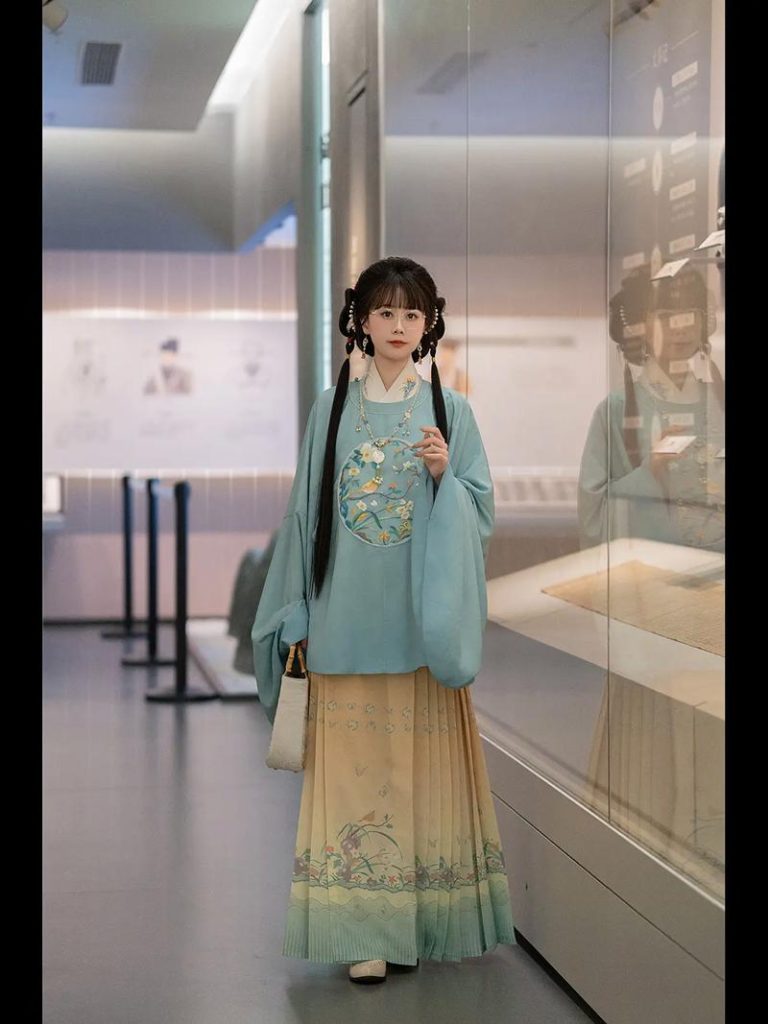
Wearing Ming Dynasty Hanfu is more than a fashion choice. For many, it’s a way to honor a legacy of artistry, discipline, and cultural pride. It’s also a quiet act of cultural preservation in a globalized world.
As one Hanfu advocate in Seattle puts it: “When I wear my aoqun, I’m not playing a role. I’m remembering a civilization that valued beauty, balance, and meaning in every detail.”
If you’re drawn to opulence with purpose, to clothing that tells a story with every thread, Ming Dynasty Hanfu is your invitation to elegance.
It is the final flowering of Han Chinese imperial fashion — a legacy of grace, grandeur, and enduring artistry that continues to inspire, empower, and captivate.
Rediscover the splendor. Wear the legacy. And let the spirit of the Ming Dynasty walk with you.