

When you picture an emperor in ancient China, you likely imagine him wearing an ornate headpiece adorned with dangling beads, golden dragons, and shimmering jade—a Chinese crown that conveys authority without a single word. But this regal accessory was far more than decorative jewelry. In imperial China, the crown was a sacred symbol of cosmic order, political legitimacy, and moral responsibility.
From the solemn miǎn (冕) worn by emperors during grand state rituals to the dazzling fèngguān (凤冠), or phoenix crown, reserved for empresses and noble brides, Chinese crowns reveal a civilization deeply rooted in symbolism, hierarchy, and harmony between heaven and earth.
Let’s explore the history, meaning, and enduring legacy of the Chinese crown.
Unlike Western crowns often encrusted with gemstones and designed to impress through brilliance, traditional Chinese crowns emphasized ritual significance over visual splendor. The two most iconic types are:
- Miǎn (冕): Worn exclusively by the emperor during major ceremonies. Its defining feature is the row of silk cords strung with jade beads—called liú (旒)—that hang before the eyes.

- Fèngguān (Phoenix Crown): Reserved for empresses, imperial consorts, and high-ranking brides. Crafted with gold filigree, pearls, kingfisher feathers (diancui), and phoenix motifs, it embodies feminine grace and celestial blessing.

Materials such as jade, gold, silk, and pearls were chosen not for luxury alone but for their deep philosophical associations with virtue, balance, and cosmic harmony.
The origins of the Chinese crown date back to the Shang and Zhou dynasties (circa 1600–256 BCE), when early ritual headgear began to take shape under the Confucian system of rites known as li (礼).
- During the Han Dynasty (206 BCE–220 CE), the miǎn became standardized, with strict regulations governing its design based on rank.
- The Tang and Song dynasties saw crowns grow more refined, reflecting China’s cultural flourishing.
- The Ming Dynasty (1368–1644) marked the peak of craftsmanship.
- The Golden Winged Crown of the Wanli Emperor is the only surviving imperial gold crown in China. Entirely handcrafted from 518 strands of ultra-fine gold wire, it weighs 826 grams and stands 24 centimeters tall. Created using techniques such as filigree and wire-weaving without a single joint or break, the crown showcases extraordinary craftsmanship. Made from 852 strands of 0.2-millimeter gold wire and adorned with 8,400 gold scales, it features two hinged “wing” panels at the back and a front design of two dragons playing with a pearl, set with a moonstone at the center.

- The phoenix crowns excavated from the Dingling Mausoleum—belonging to Empress Xiaoduan—are among the finest surviving examples of imperial regalia.

- Under the Qing Dynasty (1644–1912), Manchu rulers replaced Han-style crowns with fur-trimmed court hats, and the classical miǎn gradually disappeared from official use.
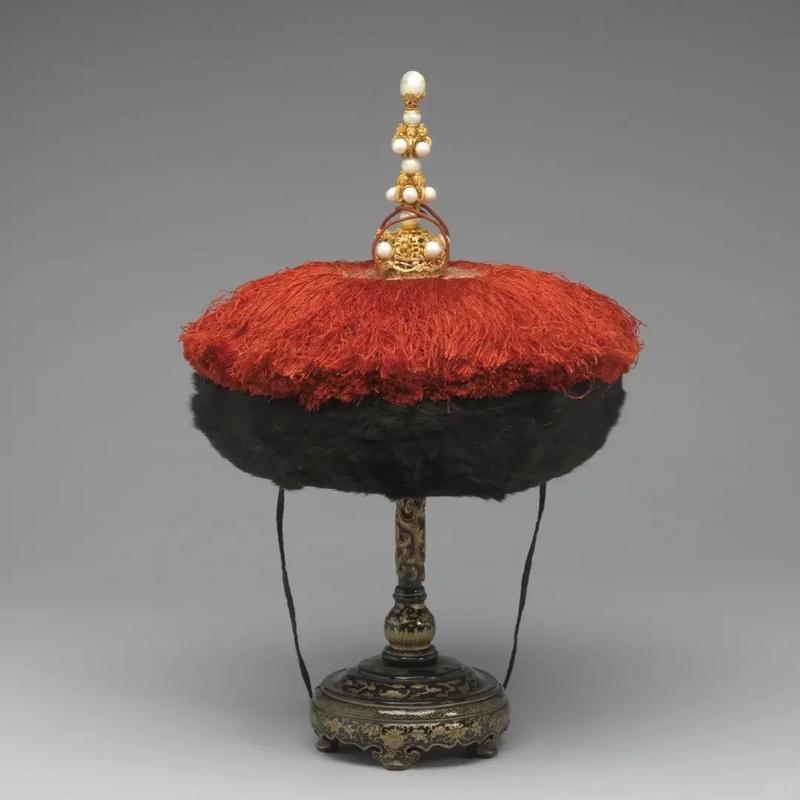
After the fall of the Qing Dynasty in 1912, the imperial crown ceased to serve a political function—but its cultural resonance endured.
Every detail of a Chinese crown carried profound meaning:
- Twelve strings of beads (liú): Only the emperor—the Son of Heaven—could wear twelve strands. They symbolized the watchful presence of heaven and served as a reminder to govern with humility. The beads also restricted head movement, encouraging dignified and deliberate conduct.
- Dragons and phoenixes: The dragon represented imperial power and yang energy; the phoenix stood for virtue, harmony, and yin—often appearing together in imperial iconography.
- Jade and pearls: Jade signified moral integrity (“as pure as jade”), while pearls conveyed wisdom and divine favor.
- Colors: Yellow or gold was reserved for the emperor; red denoted joy and nobility; blue connected the wearer to the celestial realm.
This was not fashion—it was philosophy made visible.
Among all Chinese crowns, the phoenix crown stands out for its extraordinary artistry. Ming-era examples feature:
- Over one hundred pearls
- Delicate kingfisher feather inlays (a technique known as diancui, now rare due to conservation efforts)
- Intricate gold wire frameworks shaped into blossoms and mythical birds
Originally worn only during coronations, imperial weddings, or ancestral rites, the phoenix crown has experienced a modern revival in traditional Chinese weddings and Hanfu (historical costume) culture. Today, carefully crafted replicas are cherished as symbols of heritage and elegance.
Chinese crowns were never everyday accessories. They appeared solely during sacred state ceremonies, such as:
- The emperor’s enthronement
- Sacrifices to Heaven and Earth
- New Year audiences at court
Strict sumptuary laws dictated who could wear what. A provincial governor might be permitted a crown with seven bead strings; only the emperor wore twelve. This visual hierarchy reinforced Confucian ideals of social harmony and ethical leadership.
With the end of imperial rule in 1912, the Chinese crown lost its official role. Yet its influence persists:
- In Chinese opera, elaborate crowns remain central to costumes in Peking and Kunqu performances.
- In museums and exhibitions, original crowns attract millions of visitors worldwide.
- In contemporary design, jewelers and fashion houses—from Shanghai to Paris—draw inspiration from phoenix motifs and jade aesthetics.
- As a national symbol, the crown appears in films, documentaries, and cultural initiatives representing China’s civilizational depth.
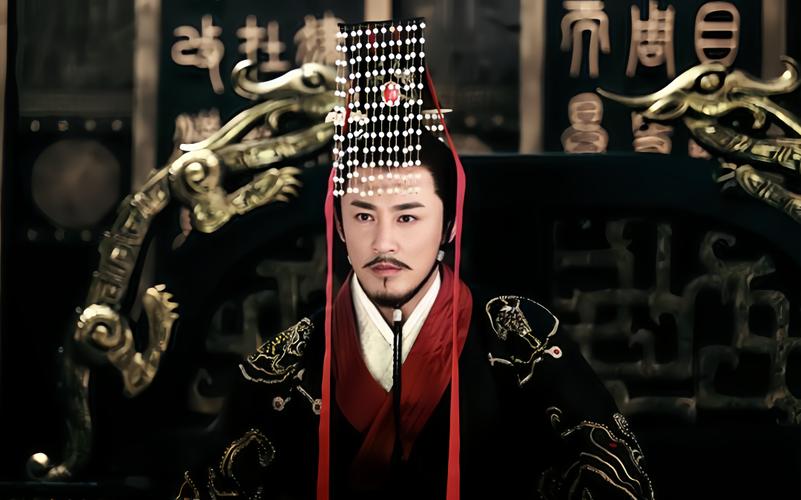
If you wish to see these treasures in person, consider visiting:
- The Palace Museum (Forbidden City), Beijing – Home to Qing-era court regalia
- Nanjing Museum – Houses stunning Ming dynasty phoenix crowns
- National Museum of China, Beijing – Features reconstructed imperial ensembles
- Victoria and Albert Museum, London – Holds historical Chinese court artifacts
- The Metropolitan Museum of Art, New York – Displays select pieces in its Asian art collection
Many institutions also offer high-resolution digital exhibits online, making these artifacts accessible to global audiences.
Some believe Chinese emperors wore flashy golden crowns similar to European monarchs. In reality, simplicity and ritual correctness mattered far more than visual extravagance. The miǎn was often modest in color but rich in symbolic meaning.
Others assume phoenix crowns were common bridal accessories. In truth, they were reserved exclusively for women of the highest rank—and only on the most formal occasions.
There is also a tendency to treat all “Chinese crowns” as identical. However, designs varied significantly across dynasties, genders, and social ranks. Qing court hats, for instance, bore little resemblance to the Han or Ming styles.
The Chinese crown is much more than a relic of a vanished empire. It embodies a worldview in which governance was a sacred trust, beauty reflected inner virtue, and attire expressed cosmic balance.
Today, as interest in traditional Chinese culture grows—from Hanfu revivals to heritage tourism—the crown continues to inspire admiration and reflection. Whether viewed behind museum glass or recreated in a ceremonial wedding, it remains a powerful emblem of China’s imperial past and living cultural legacy.
So the next time you encounter a Chinese crown—in a film, a book, or an exhibit—remember: you are not merely looking at an object of adornment. You are witnessing centuries of philosophy, power, and artistry, all resting upon a single head.