

In China, the turning of the seasons is not merely a meteorological event—it is a sacred rhythm that echoes through poetry, medicine, family life, and cosmic philosophy. Among the 24 solar terms that structure the traditional Chinese calendar, Dongzhi (冬至), or the Winter Solstice Festival, holds a place of exceptional reverence. Falling around December 21–23, Dongzhi marks the year’s shortest day and longest night—a moment when darkness reaches its peak, only to give way to the gradual return of light. More than an astronomical marker, Dongzhi is a cultural touchstone of renewal, familial love, and harmony with nature.
The significance of Dongzhi dates back over two millennia. During the Zhou Dynasty (1046–256 BCE), rulers already observed rituals on the solstice, believing it aligned with the mandate of heaven. By the Han Dynasty, astronomers had precisely calculated the solstice using gnomons (sundials), and Dongzhi was formally integrated into the state calendar. Emperors would perform grand ceremonies at the Temple of Heaven, offering sacrifices to heaven and earth—a practice that continued into the Qing Dynasty.
For common people, Dongzhi became a “mini New Year.” In imperial times, officials were granted days off, markets closed, and families reunited. The saying “Winter Solstice is as important as the Spring Festival” (冬至大如年) reflects its former grandeur.
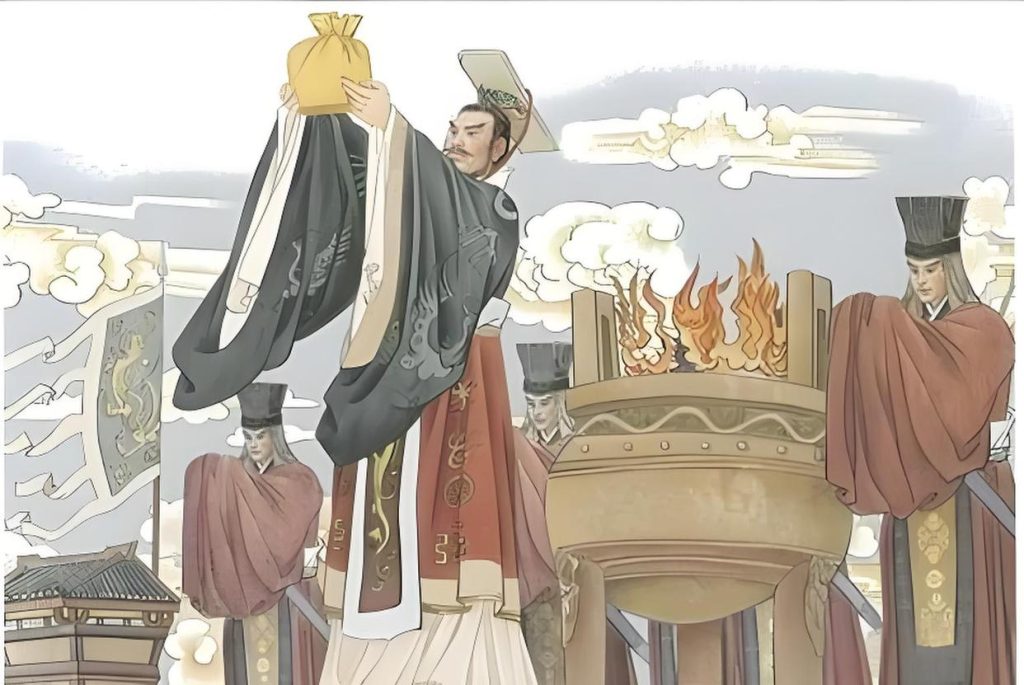
At the heart of Dongzhi lies Daoist and Confucian cosmology. In Chinese thought, the universe operates through the dynamic interplay of yin (cold, dark, inward) and yang (warm, bright, outward). The Winter Solstice represents the ultimate dominance of yin—but also the precise moment when yang begins to stir again. This turning point symbolizes hope, resilience, and the eternal cycle of death and rebirth.
Ancient texts like the I Ching (Book of Changes) describe this transition as “the return of the first yang line,” a quiet but powerful shift that promises renewal. Thus, Dongzhi is not a time of mourning the cold, but of celebrating the hidden promise of spring.

While unity defines the spirit of Dongzhi, diversity colors its expression:
- In northern China, families gather to make jiaozi (dumplings). A popular legend credits physician Zhang Zhongjing of the Eastern Han Dynasty with inventing “ear-shaped” dumplings to prevent frostbite—hence the custom persists today.
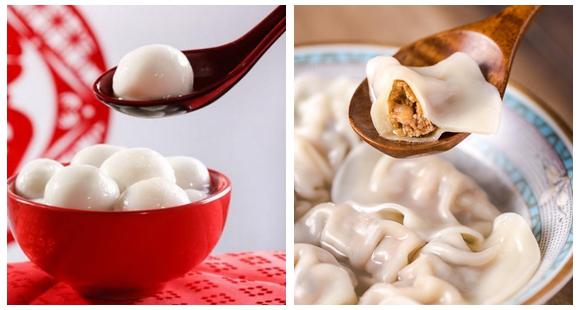
- In southern provinces like Guangdong, Fujian, and Jiangsu, tangyuan—glutinous rice balls served in sweet soup—are the centerpiece. Their roundness signifies wholeness and family unity.
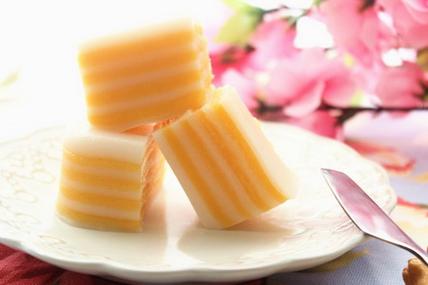
- In Hakka communities, people prepare “nine-layer cakes” steamed in banana leaves, each layer representing a step toward prosperity.
- Across rural areas, ancestral worship remains central: families clean graves, burn incense, and present seasonal foods to honor their lineage.
These practices, though varied, all echo the same themes: gratitude, continuity, and care for both the living and the departed.
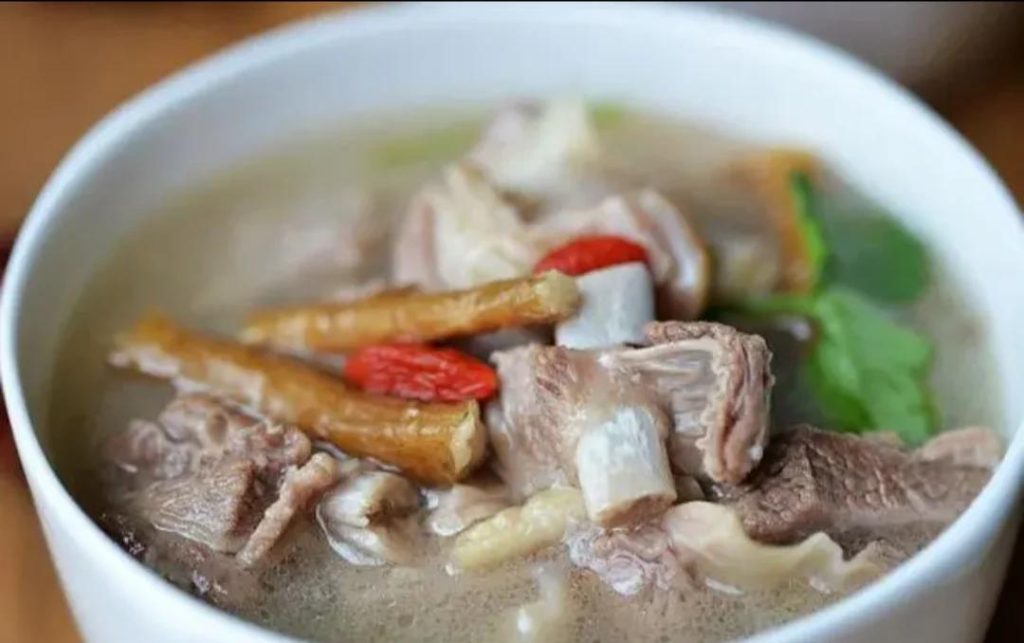
In Traditional Chinese Medicine (TCM), winter is the season of storage and conservation. Dongzhi is considered the optimal time for “nourishing yin and tonifying yang”—a practice known as dong bu (冬补). Families often prepare slow-cooked soups with ingredients like lamb, goji berries, ginger, and dang gui (Chinese angelica) to strengthen the kidneys and boost immunity.
Elderly relatives may advise: “Eat well on Dongzhi, and you’ll stay healthy all year.” This fusion of food, medicine, and seasonal awareness exemplifies the holistic worldview embedded in Chinese culture.
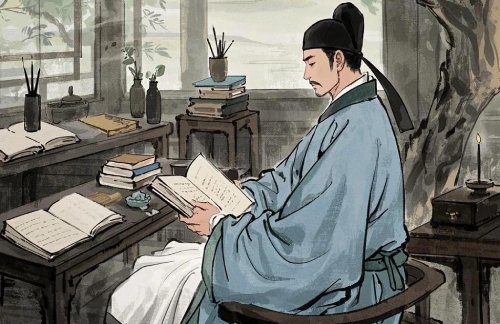
Chinese poets have long used Dongzhi as a metaphor for solitude, longing, and hope. Du Fu (712–770), the great Tang poet, wrote during exile:
“On Winter Solstice, thoughts of home grow deeper;
Far from kin, I count the long night alone.”
Conversely, Song Dynasty scholar Su Shi celebrated the festival’s warmth:
“New tangyuan float in clear broth—
The whole family laughs by the stove.”
These verses reveal how Dongzhi has long served as both a personal and collective emotional anchor.
China is not alone in honoring the solstice. Ancient Romans celebrated Saturnalia, a festival of light and role reversal. In Scandinavia, Yule marked the return of the sun with bonfires and evergreens—traditions later absorbed into Christmas. Indigenous peoples of North America held solstice ceremonies to honor the sun’s rebirth.
What makes Dongzhi unique is its integration into a lunar-solar agricultural calendar and its emphasis on family-centered, quiet reflection rather than public revelry. It’s a celebration turned inward—a hearth rather than a parade.
| Country/Region | Celebration |
|---|---|
| China | Dumplings / Tangyuan (traditional winter foods) |
| Japan | Yuzu bath / Pumpkin (health customs) |
| South Korea | Red bean porridge (patjuk) |
| Vietnam | Tangyuan-like foods (family tradition) |
| Singapore & Malaysia | Tangyuan / Family gatherings |
| UK | Stonehenge Winter Solstice event |
| USA | Local solstice festivals |
| Nordic Countries | Yule traditions (midwinter customs) |
| Iran | Yalda Night (fruits & poetry) |
| India | Makar Sankranti (harvest festival) |
Today, urbanization and globalization pose challenges to traditional festivals. Yet Dongzhi endures—not through rigid preservation, but through adaptation. Young Chinese now share “DIY tangyuan kits” on e-commerce platforms, post #Dongzhi selfies on social media, or attend cultural workshops hosted by museums and hanfu communities.
Moreover, since 2016, China’s “24 Solar Terms” have been inscribed on UNESCO’s Intangible Cultural Heritage list, sparking renewed educational efforts in schools and media. Animated shorts, apps, and even video games now teach children about Dongzhi—ensuring its relevance for future generations.
| Year | Dongzhi (Winter Solstice Date) |
|---|---|
| 2020 | December 21 |
| 2021 | December 21 |
| 2022 | December 22 |
| 2023 | December 22 |
| 2024 | December 21 |
| 2025 | December 21 |
| 2026 | December 21 |
| 2027 | December 22 |
| 2028 | December 21 |
| 2029 | December 21 |
Note: Exact astronomical time varies slightly by time zone, but the date remains consistent across East Asia.
In an age of constant noise and speed, Dongzhi offers a rare invitation: to slow down, gather close, and listen to the subtle turn of the earth. It reminds us that even in the deepest cold, life stirs beneath the surface. Whether you’re eating dumplings in Beijing, sharing tangyuan in Singapore, or simply pausing to watch the sunset a little earlier than usual, you’re participating in a tradition that spans empires, philosophies, and centuries.
As the ancients knew—and as we are relearning—the darkest day is also the day hope is reborn.