
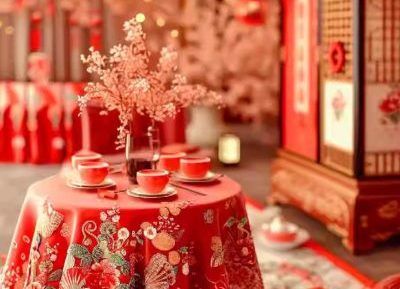
In China, a wedding is far more than the union of two individuals — it is a profound celebration that unites two families, symbolizing harmony, prosperity, and respect for tradition. Deeply rooted in centuries of cultural heritage, Chinese wedding customs blend ancient symbolism with modern romance, turning every ceremony into a vibrant expression of love and legacy.
While modern couples increasingly incorporate Western elements into their celebrations, many traditional Chinese wedding customs remain cherished. From betrothal gifts to the emotional tea ceremony, each ritual carries a story — a reflection of Chinese values that honor family, harmony, and happiness.
The road to marriage in Chinese culture is paved with meaningful customs that ensure balance, respect, and good fortune.

Often regarded as the formal engagement, this ceremony marks the official union of two families. The groom’s family presents auspicious gifts — tea, wine, cakes, gold jewelry, and money — to the bride’s family, symbolizing gratitude and the groom’s ability to provide. A detailed exchange list ensures transparency and harmony between both families.
Choosing the wedding date is a vital ritual. Guided by Ba Zi (the couple’s birth dates and times) and often advised by a fortune teller, the chosen date aligns the couple’s destiny with cosmic balance. This reflects the deep-rooted belief that marriage should be in harmony with the universe’s natural order.
The wedding day itself is a feast for the senses — red dominates every scene, symbolizing happiness, prosperity, and good fortune. Every act, garment, and color is infused with meaning.

Today, the ‘Hanfu Wedding’ is reclaiming its place as the pinnacle of bridal elegance. Modern couples are moving beyond the white Western dress, choosing instead to celebrate their most important day in traditional Hanfu, reviving a legacy of grace that spans thousands of years.
Experience the Splendor:
You can find this exquisite [Ming Dynasty Wedding Hanfu Set here on AliExpress]👉
Before the groom can “claim” his bride, he must complete playful challenges designed by the bridesmaids. These games, filled with laughter and wit, test his sincerity, patience, and devotion — a symbolic proof of his love and determination.

Among all Chinese wedding customs, the tea ceremony is the emotional centerpiece. The bride and groom kneel or bow slightly as they serve tea to their parents and elders, expressing respect and gratitude. In return, the elders bestow red envelopes (hongbao) or gold jewelry, symbolizing their blessings and acceptance of the new family member.
The wedding banquet is the grand finale — an opulent feast lasting several hours and often attended by hundreds of guests. It represents abundance and social harmony.
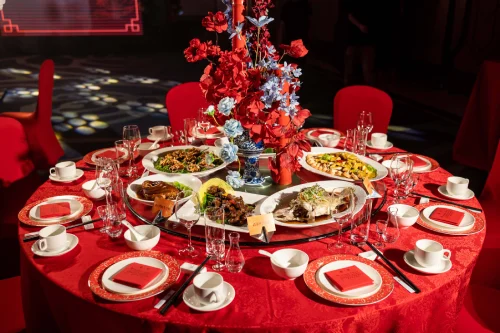
Guests are seated according to their relationship and seniority. The feast features multiple symbolic dishes — such as fish for abundance, lobster for vitality, and noodles for longevity. The newlyweds visit each table to offer a toast, personally expressing gratitude to their guests.
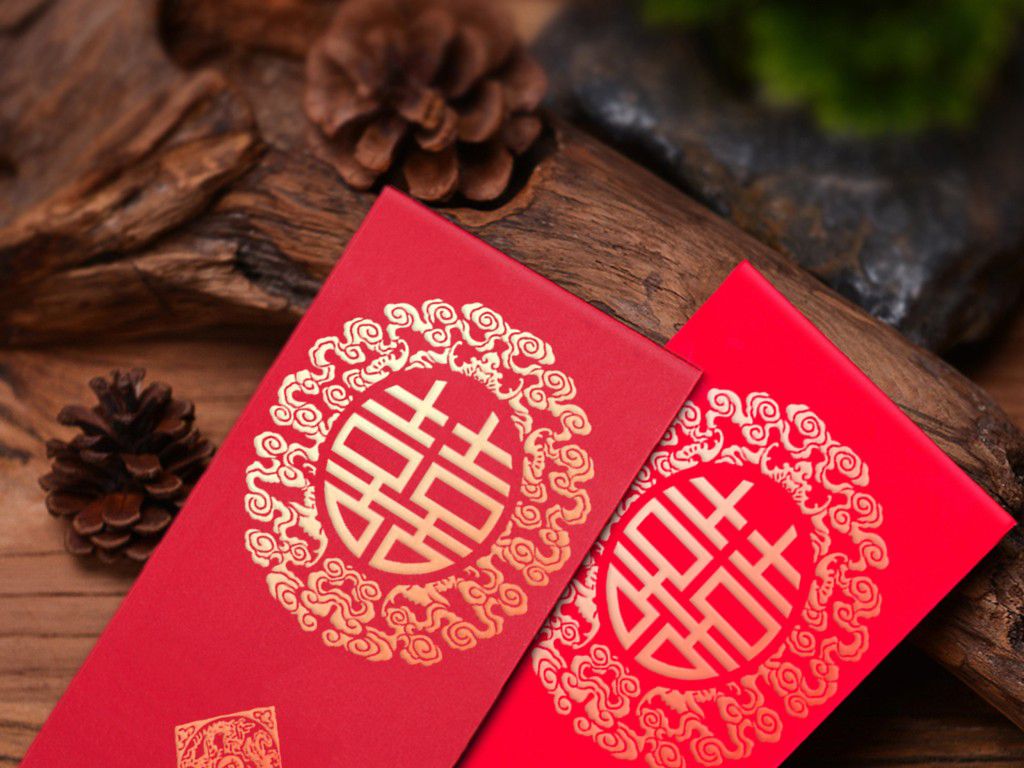
Instead of physical gifts, guests offer red envelopes filled with money, symbolizing blessings and financial support for the couple’s new journey. The amount is carefully chosen, usually covering the cost of the meal plus a gesture of goodwill.
The banquet is a lively affair — filled with laughter, toasts, games, and sometimes video tributes or performances. Whether in a modern hotel or traditional courtyard, the joyful atmosphere brings both families together in celebration.
Today’s Chinese weddings are a fascinating blend of East and West. Couples might exchange personalized vows in a Western-style ceremony, then don traditional attire for the tea ceremony and banquet. Despite modernization, the core values remain unchanged: honoring family, respecting ancestors, and celebrating the continuity of life.
From the careful selection of an auspicious date to the emotional tea ceremony and the jubilant banquet, wedding customs Chinese reflect a timeless truth — that love in Chinese culture is not merely personal, but communal. It connects the past and the future, binding generations in joy, respect, and hope for everlasting happiness.