

Ming dynasty clothing refers to the traditional dress worn during the Ming Dynasty of China (1368–1644). This period marked a major turning point in Chinese clothing history, as it restored Han Chinese dress traditions after the Mongol-led Yuan Dynasty. Ming dynasty clothing is known for its structured silhouettes, elegant layers, and strict dress regulations, making it one of the most influential eras in traditional Chinese fashion.
Understanding Ming dynasty clothing helps us better appreciate Chinese cultural values, social hierarchy, and the origins of many modern Hanfu styles.
After the fall of the Yuan Dynasty, the founders of the Ming Dynasty sought to revive traditional Han Chinese customs. Clothing became an important symbol of cultural restoration and political legitimacy. The Ming government re-established dress codes based on Confucian principles, emphasizing propriety, hierarchy, and moral order.
Clothing regulations were clearly defined, with different garments, colors, and decorations assigned according to social rank. As a result, Ming dynasty clothing was not only about aesthetics but also about reinforcing social structure.
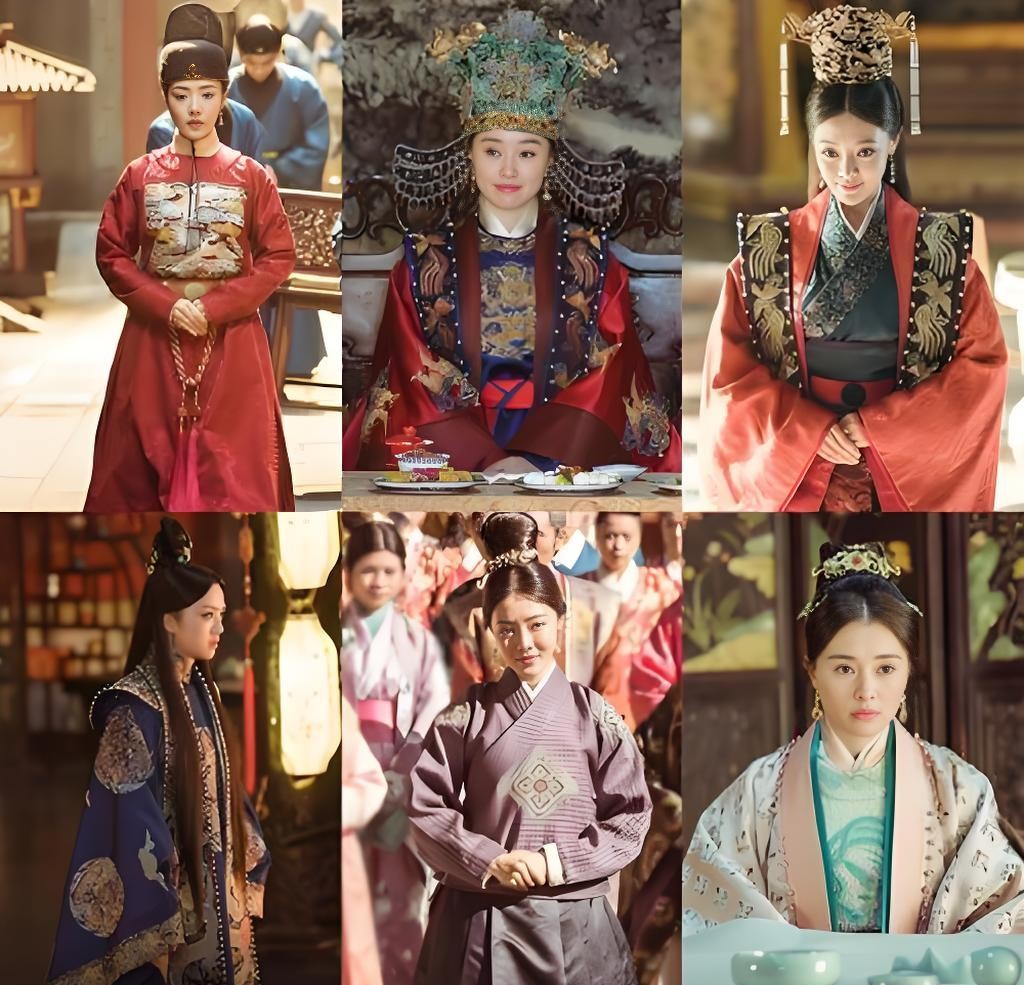
Ming dynasty clothing is characterized by a dignified and balanced appearance. Garments often featured straight lines, layered construction, and a loose yet structured fit.
Common features include wide sleeves, crossed or straight collars, and long robes worn with belts or sashes. Fabrics such as silk, cotton, and hemp were widely used, with silk reserved mainly for the upper classes. Compared to earlier dynasties, Ming clothing appears more formal and restrained, reflecting Confucian ideals.
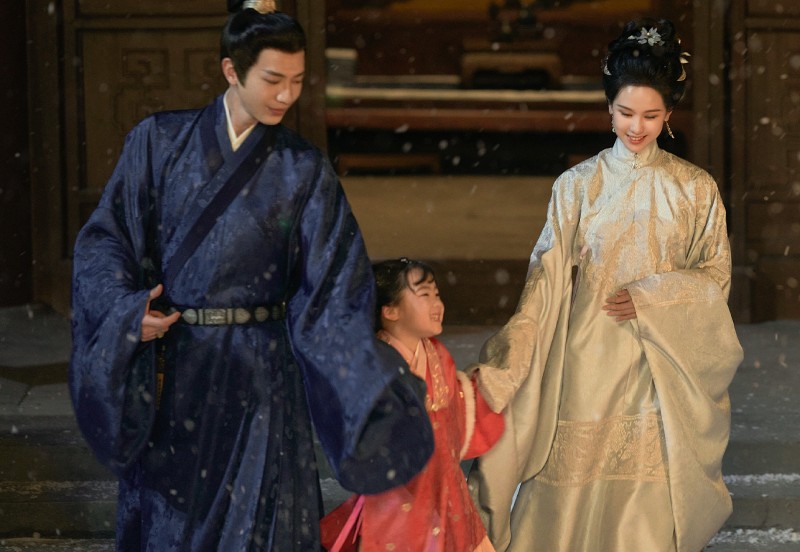
Men’s clothing in the Ming Dynasty varied depending on status and occasion. One of the most important garments was the shenyi (深衣), an ancient robe style that influenced later designs. Round-collar robes were commonly worn by officials and scholars, especially for formal occasions.
Officials wore robes decorated with rank badges (buzi 补子), embroidered with animals symbolizing their rank. For daily life, common men typically wore simple robes or jackets paired with trousers, using practical fabrics and minimal decoration.

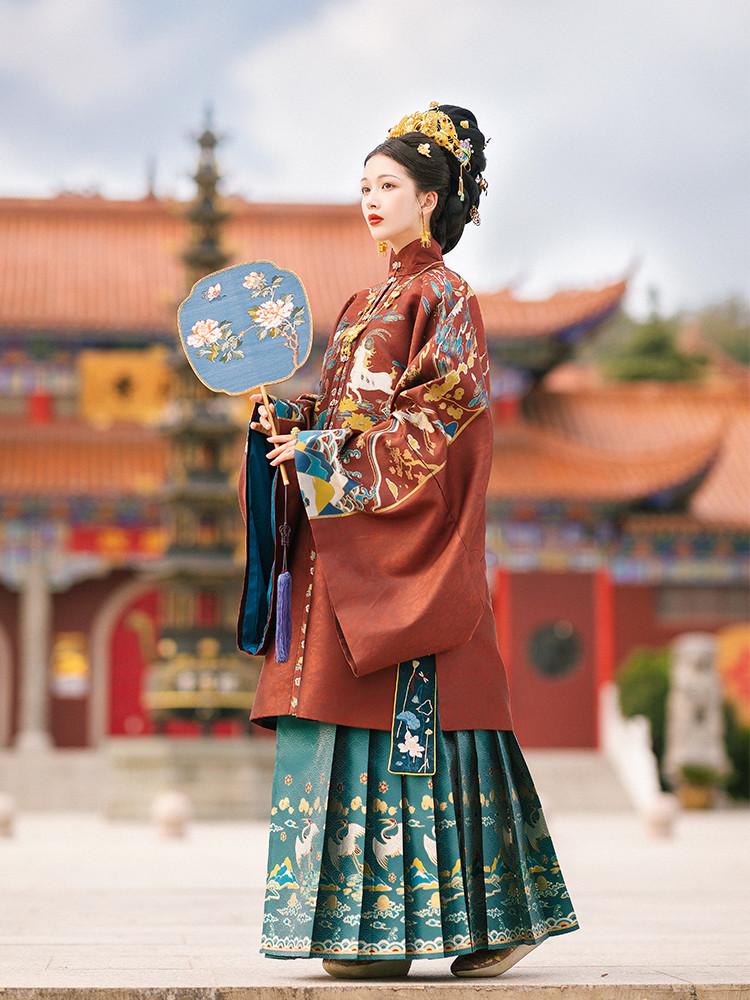
Women’s Ming dynasty clothing emphasized elegance and layered beauty. The most representative outfit was the aoqun (袄裙), consisting of a long jacket worn over a skirt. This style became one of the most iconic forms of traditional Chinese women’s dress.
Noblewomen often wore richly embroidered garments with intricate patterns, while common women dressed more simply. Colors, fabrics, and accessories were all influenced by social status, age, and marital position.
Imperial clothing during the Ming Dynasty followed extremely strict rules. The emperor wore the dragon robe (longpao 龙袍), decorated with five-clawed dragons symbolizing supreme authority. Only the emperor was allowed to wear certain colors, such as bright yellow.
The empress and court ladies wore formal attire featuring phoenix motifs, cloud patterns, and auspicious symbols. Every element of court clothing—from color to embroidery—had symbolic meaning tied to power, harmony, and cosmic order.
One of the defining features of Ming dynasty clothing was its clear reflection of social hierarchy. Clothing laws dictated what colors, patterns, and materials each class could use. Certain motifs and colors were strictly forbidden to commoners.
These regulations ensured that a person’s status could be recognized instantly by their clothing, reinforcing the Confucian idea that social order should be visible and respected.
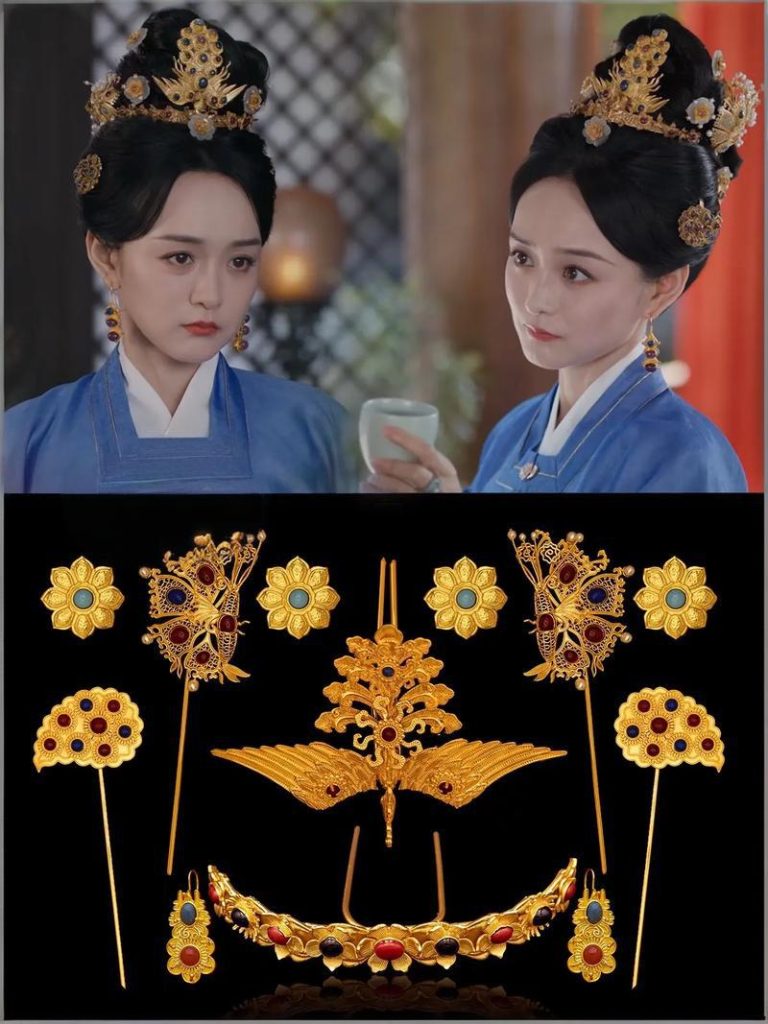
Accessories played an important role in completing Ming dynasty outfits. Men commonly wore hats such as the futou (幞头) or other official headgear. Women used hairpins, combs, and decorative ornaments made from jade, gold, or silver.
Shoes, belts, and pendants were also carefully chosen to match the wearer’s status and occasion. Hairstyles were often elaborate, especially for women of the upper class.
Ming dynasty clothing is a key component of what is now known as Hanfu, but Hanfu is a broader term that includes clothing styles from many dynasties. Compared to Tang or Song dynasty clothing, Ming styles are more structured and conservative.
Today, Ming-style Hanfu is especially popular in the modern Hanfu revival movement, as it closely resembles garments recorded in historical texts and paintings.
Ming dynasty clothing continues to influence modern fashion and popular culture. It frequently appears in historical dramas, cultural festivals, and traditional weddings. The global Hanfu movement has also introduced Ming-style garments to international audiences.
Designers and enthusiasts draw inspiration from Ming clothing for its elegance, symbolism, and strong cultural identity.
Ming dynasty clothing represents a unique blend of history, culture, and aesthetics. With its clear structure, rich symbolism, and strict regulations, it reflects the values of Ming society and Confucian philosophy. Today, Ming dynasty clothing remains an important part of Chinese cultural heritage and continues to inspire people around the world.