
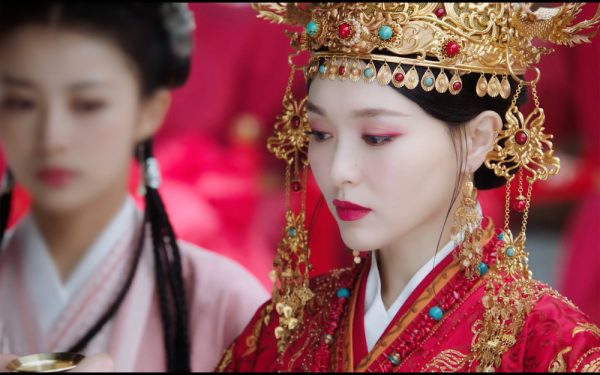
Chinese empresses stood at the pinnacle of the imperial hierarchy. As the highest-ranking women in the empire, their clothing followed strict court regulations that expressed power, virtue, and cosmic order. Through elaborate robes, symbolic colors, and luxurious accessories, empress attire revealed the cultural ideals of Chinese dynasties and the sophistication of traditional clothing systems.
This article offers a complete guide to what Chinese empresses wore, how their attire evolved across dynasties, and the deep symbolism behind each garment.
In ancient China, court attire (huangfu or gongfu) was governed by ritual codes that defined status and hierarchy. Empresses had specific garments for daily wear, ceremonial wear, ritual wear, and major political or religious events.
Colors, patterns, and materials were strictly regulated. No one below the empress—noblewomen, concubines, or princesses—could wear the same level of ornamentation.

The fengguan, or phoenix crown, is one of the most recognizable symbols of empress status.
Key features:
- Gold framework
- Jade pieces and pearls
- Kingfisher-feather inlay (点翠)
- Phoenix, dragon, cloud, or floral motifs
The phoenix represented virtue, harmony, femininity, and the empress’s symbolic role as the female counterpart to the emperor (dragon).

The diyi was the most formal robe worn during coronations, ancestral rituals, and major state ceremonies.
Characteristics:
- Deep red, blue, or green (depending on dynasty)
- Wide sleeves and flowing silhouette
- Embroidery of:
- Phoenixes
- Mountain and sea patterns
- Cloud motifs
- The Twelve Imperial Symbols (in some dynasties)
This robe visually represented the empress’s sacred role in the cosmological order.
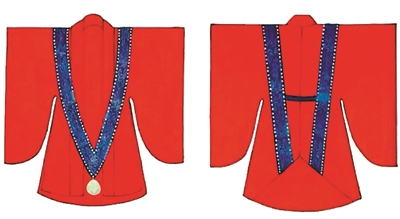
The xiapei was a long, embroidered scarf draped over the shoulders.The xiapei did not exist in the Han or Tang dynasties; it was only during the Ming dynasty that it became standardized as a distinctive ceremonial accessory that empresses were required to wear during coronations, ancestral rituals, and other formal ceremonies.
- Often decorated with phoenixes, peonies, clouds, and auspicious motifs
- Longer and more elaborate than those worn by noblewomen
Empresses typically wore long skirts beneath their robes.
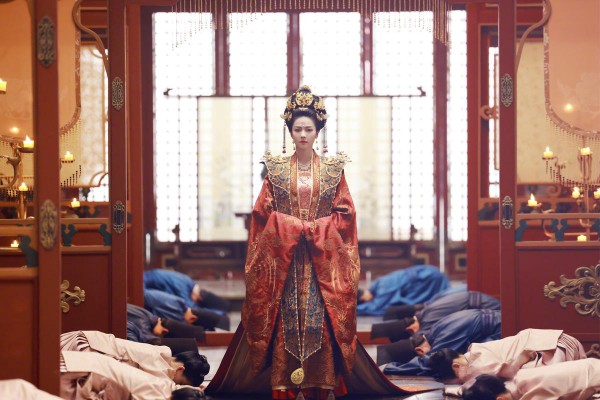
Materials and features:
- Heavy, high-quality silk
- Embroidered borders
- Colors symbolizing dignity and authority (e.g., red, blue, dark green)
Empress attire was never complete without refined accessories such as:
- Jade pendants
- Court belts
- Cloud-toed shoes
- Hairpins, earrings, and bracelets made from precious materials
Every accessory had ritual meaning, carefully chosen according to the occasion.

- Robes followed the quju and zhiju systems
- Designs were simpler but emphasized elegance
- Early use of phoenix imagery appears in palace attire

- Rich silks and bold colors
- Wide sleeves and flowing silhouettes
- Tall golden headpieces and lavish jewelry
- Empress Wu Zetian greatly influenced palace fashion
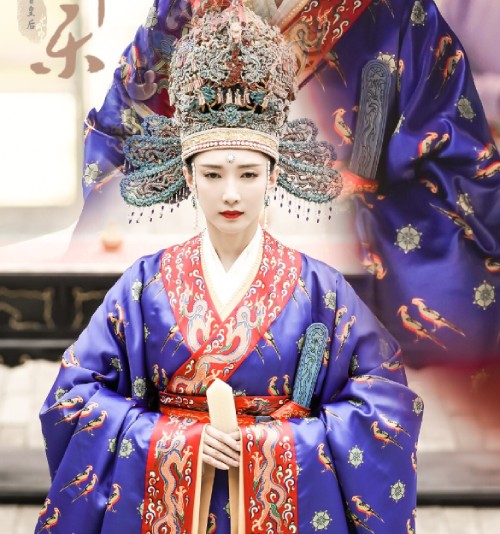
- Elegant, restrained aesthetics
- Standardized use of embroidered xiapei
- Emphasis on subtle beauty and ritual correctness
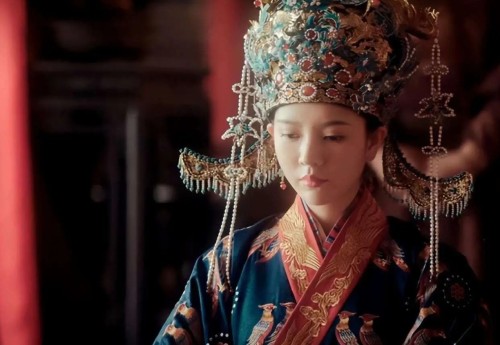
This era produced some of the most iconic empress attire.
- Fully developed ceremonial dress code
- Red diyi with phoenix embroidery
- Blue court robes for formal occasions
- Intricate phoenix crowns with dozens of golden phoenixes
Most modern “empress-style Hanfu” is inspired by Ming designs.

- Distinct Manchu-style robes (chaofu, chaogua)
- Three-level ceremonial system
- Large, wing-shaped headdresses (旗头)
- Abundant use of pearls and auspicious symbols
Every garment held deep cultural meaning.
- Emperor = Dragon (yang)
- Empress = Phoenix (yin)
Together they represented the balance of cosmic forces.
- Red: auspicious power
- Yellow/Gold: imperial authority
- Blue/Green: longevity and virtue
- Phoenixes: virtue and femininity
- Peonies: wealth and honor
- Clouds and waves: harmony between heaven and earth
- Mountains: stability
Used in some dynasties to signify celestial mandate and sacred rule.
- Coronation
- Major rituals (Fengshan, ancestral offerings)
- Festivals and ceremonies
- Weddings (Empress dowager and imperial weddings)
- Receiving foreign envoys or attending state events
Each occasion had a precise dress code.
Today, empress attire continues to influence:
- Modern Hanfu designers, who borrow elements like phoenix crowns, diyi patterns, and embroidered motifs
- Museum exhibitions that restore historical designs
- TV dramas, though often mixing exaggeration with history
Pop culture has increased global awareness of traditional Chinese aesthetics.
The clothing of Chinese empresses reveals a world where fashion expressed power, virtue, and ritual order. From the phoenix crown to the embroidered diyi, every piece carried symbolic weight and cultural meaning. These garments not only showcase the artistic achievements of ancient China but also continue to inspire modern interpretations of traditional dress.
Chinese empress attire is more than clothing—it is a reflection of imperial authority, cultural values, and thousands of years of evolving aesthetic tradition.