
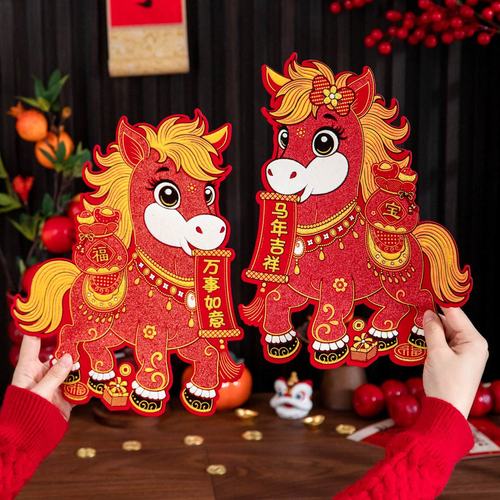
Every year, Chinese New Year arrives like a tidal wave of red lanterns, reunion dinners, and hopeful wishes. But 2026’s celebration—falling on February 17th—is not just another turn of the lunar calendar. It marks the beginning of the Year of the Fire Horse, a rare astrological combination that occurs only once every 60 years. More than that, it unfolds against a backdrop of global recovery, technological evolution, and cultural redefinition. In many ways, Chinese New Year 2026 isn’t merely a festival—it’s a mirror reflecting how tradition adapts, endures, and even thrives in a rapidly changing world.
The Chinese zodiac operates on a 12-year cycle, with each year represented by an animal sign. Recent years have cycled through familiar symbols, each carrying its own energy:
| Lunar New Year (Gregorian Date) | Zodiac Animal |
|---|---|
| 2020 (Jan 25) | Rat |
| 2021 (Feb 12) | Ox |
| 2022 (Feb 1) | Tiger |
| 2023 (Jan 22) | Rabbit |
| 2024 (Feb 10) | Dragon |
| 2025 (Jan 29) | Snake |
| 2026 (Feb 17) | Horse |
Following the introspective Snake of 2025 and the majestic Dragon of 2024, the Horse gallops in with unbridled energy. But 2026 is no ordinary Horse year—it’s a Fire Horse year, last seen in 1966 and not due again until 2086. This 60-year cycle, formed by combining the 12 zodiac animals with the Five Elements, makes 2026 exceptionally rare.
In Chinese cosmology, the Horse symbolizes freedom, speed, and resilience. Fire adds passion, transformation, and intensity. Together, they suggest a year of bold action and dynamic change. For those born in previous Horse years, 2026 holds special significance—not just as a new beginning, but as a potential “return” to their roots.
How old will Horse-year individuals be in 2026? The table below shows key birth years and corresponding ages:
| Birth Year (Horse) | Age in 2026 (Western Count) |
|---|---|
| 1942 | 84 |
| 1954 | 72 |
| 1966 | 60 |
| 1978 | 48 |
| 1990 | 36 |
| 2002 | 24 |
| 2014 | 12 |
| 2026 | 0 (newborn) |
Notably, those born in 1966 will turn 60 in 2026—a milestone known as benming nian (本命年), or “zodiac year return.” In Chinese tradition, turning 60 marks the completion of a full life cycle. Celebrating a Fire Horse birthday in a Fire Horse year is thus doubly auspicious—and deeply symbolic.
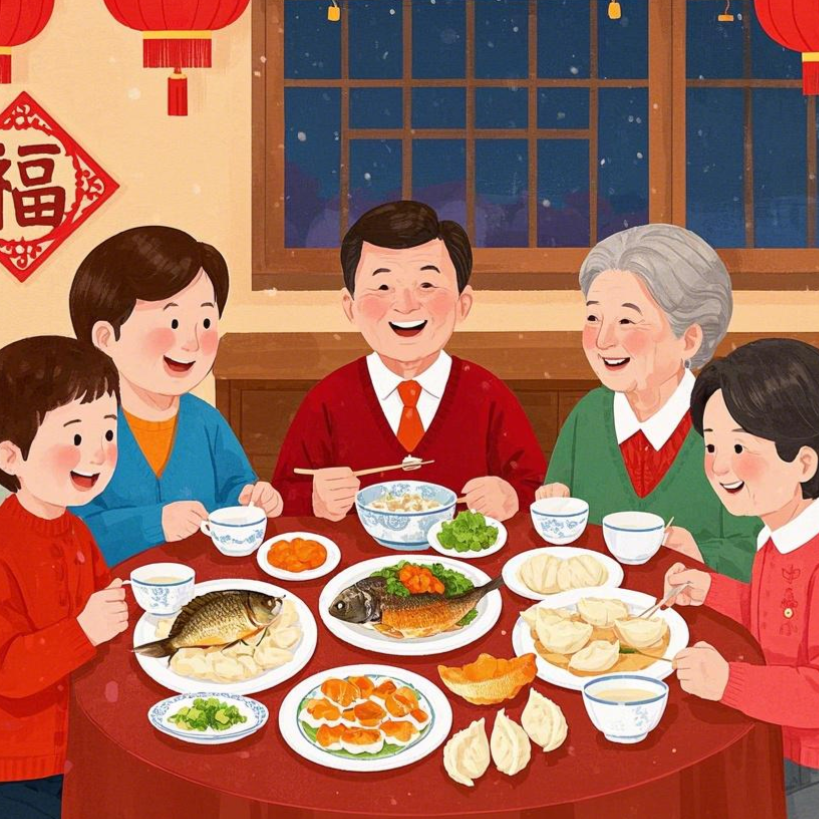
Perhaps the most emotionally resonant difference in 2026 is the complete return to physical reunion. From 2020 to 2023, the pandemic forced millions to celebrate Chinese New Year apart—through video calls, digital red envelopes, and quiet, isolated dinners. Even in 2024 and 2025, lingering health concerns or economic constraints kept some families fragmented.
By 2026, however, the world has largely moved past those restrictions. Airports will buzz with travelers rushing home for chunyun (the Spring Festival travel rush). Train stations in Beijing, Guangzhou, and Chengdu will swell with passengers carrying gifts and suitcases. For many, this will be the first truly unrestricted Lunar New Year in nearly a decade—a chance to hug grandparents, share dumplings with cousins, and hear children’s laughter echo through ancestral homes.
This emotional catharsis will make 2026’s celebrations feel deeper, more heartfelt. The simple act of sitting around a table together may carry more weight than any firework display.
While reunions are physical, technology continues to reshape how we experience the holiday. By 2026, artificial intelligence and immersive digital platforms have evolved far beyond the early days of WeChat red packets.
Imagine this: an AI assistant helps you compose personalized couplets based on your family’s history. A virtual reality app lets overseas relatives “sit” at the dinner table via holographic projection. Smart homes automatically dim lights and play traditional folk music as midnight approaches on New Year’s Eve. Even temple fairs might offer AR experiences where users “feed” digital lions or release virtual sky lanterns.
These innovations don’t replace tradition—they extend it. For younger generations raised on smartphones, such integrations make ancient customs feel relevant and exciting. And for elders, seeing their grandchildren engage with zodiac stories through interactive apps can be a bridge across generational divides.
Yet, this fusion also sparks debate. Is a digital red envelope as meaningful as one handed over with a warm smile? Can a VR reunion truly substitute for holding a loved one’s hand? These questions will linger beneath the surface of 2026’s festivities, reminding us that while tools change, human connection remains irreplaceable.
Another defining feature of 2026 is its status as a global cultural phenomenon. Since the United Nations officially recognized Chinese New Year as a floating holiday in 2023, governments, schools, and corporations worldwide have embraced it with unprecedented enthusiasm.
In London, Trafalgar Square’s Lunar New Year parade will draw crowds rivaling those of the Notting Hill Carnival. In New York, public schools may close or host cultural workshops. Major fashion houses—Gucci, Louis Vuitton, Nike—will launch sophisticated Fire Horse collections that blend Chinese symbolism with contemporary design, moving far beyond tokenistic “red and gold” motifs.
Social media amplifies this global reach. On TikTok and Instagram, influencers from Brazil to South Korea will post videos titled “My First Chinese New Year,” sharing their attempts at making dumplings or writing “Fu” characters. This cross-cultural curiosity transforms the festival from an ethnic observance into a shared human celebration of renewal.
For the Chinese diaspora, this visibility is empowering. No longer must they explain why they take time off in February; now, the world celebrates alongside them.
Finally, 2026 reflects a growing consciousness about sustainability. As climate awareness deepens, many families are reimagining traditions through an eco-friendly lens.
Firecrackers—once essential for scaring away the mythical beast “Nian”—are increasingly replaced by light shows or sound installations in urban centers due to air quality regulations. Reusable red envelopes made from fabric or recycled paper are gaining popularity. Even the iconic reunion dinner is evolving: plant-based “prosperity dishes,” locally sourced ingredients, and zero-waste cooking are becoming part of the modern Lunar New Year menu.
This shift doesn’t diminish the holiday’s spirit; rather, it aligns it with contemporary values. Protecting the Earth becomes part of the wish for a better future—a natural extension of the New Year’s core message: hope.
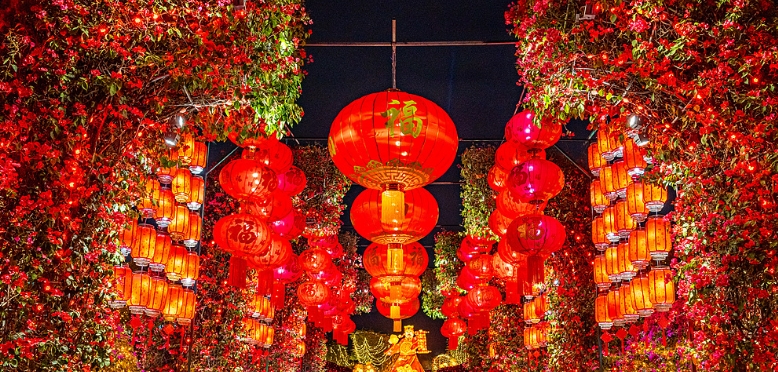
Chinese New Year 2026 stands at a unique intersection. It carries the weight of millennia-old rituals while racing toward a future shaped by AI, globalization, and environmental responsibility. The Fire Horse urges us to move boldly—but not blindly. Its energy is best harnessed when grounded in the values that have sustained this festival for centuries: family, gratitude, and the belief that each new beginning holds promise.
As fireworks light up the sky on February 17, 2026, they’ll illuminate more than just a new year. They’ll shine on a world that has learned to cherish togetherness, embrace innovation, and honor tradition—not as relics, but as living, breathing guides for the road ahead.
So, whether you’re hanging a paper-cut horse on your window, sending a voice-note blessing across continents, or simply sharing a bowl of tangyuan under a smart LED lantern, remember: you’re not just celebrating a holiday. You’re participating in a moment of rare historical resonance.
Wishing you health, joy, and unstoppable momentum in the Year of the Fire Horse!