
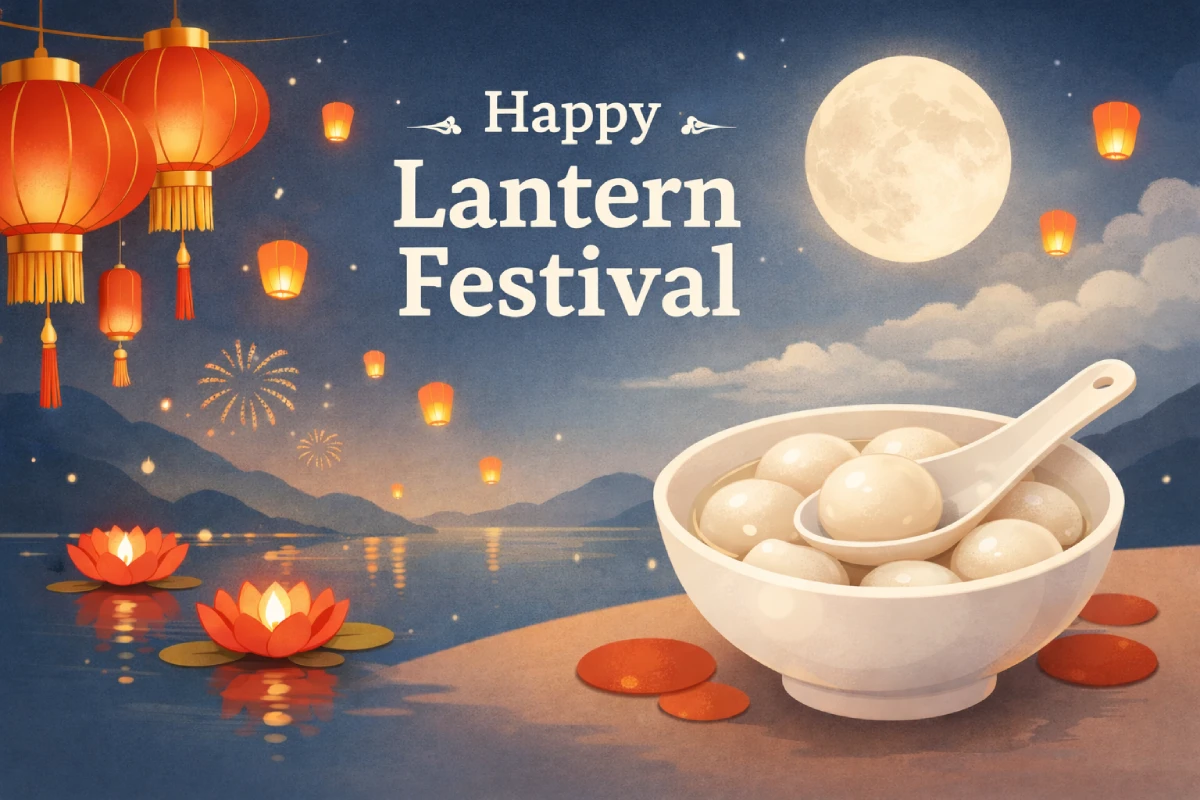
The Lantern Festival, also known as Yuanxiao Festival, is a traditional Chinese festival celebrated on the 15th day of the first lunar month, marking the final day of Chinese New Year celebrations. It is famous for lantern displays, family reunions, traditional foods, and festive activities, making it one of the most important celebrations in the Chinese lunar calendar.
Every year, the Lantern Festival falls on a different date in the Gregorian calendar, typically between early February and early March.
| Year | Date |
|---|---|
| 2021 | Feb 26 |
| 2022 | Feb 15 |
| 2023 | Feb 5 |
| 2024 | Feb 24 |
| 2025 | Feb 12 |
| 2026 | Mar 3 |
| 2027 | Feb 21 |
| 2028 | Feb 9 |
Note: Dates change each year following the lunar calendar.
The Lantern Festival celebrates light, reunion, and renewal. Traditionally, families gather under the full moon to admire lanterns, enjoy festive foods, and celebrate togetherness. The full moon symbolizes completeness and family unity, giving the festival deep cultural and emotional meaning.
The Lantern Festival dates back over 2,000 years to the Han Dynasty, originally linked to religious rituals, court ceremonies, and the symbolic use of light.
Over time, lantern displays spread from palaces and temples to the public, making the festival accessible to all. By the Tang and Song dynasties, large-scale lantern fairs became a beloved activity for people from all walks of life.
The Lantern Festival symbolizes:
- Family reunions and togetherness
- The conclusion of Chinese New Year celebrations
- Transition from winter to spring
- Hope, harmony, and new beginnings
Lanterns are the most iconic symbol of the festival, often shaped like animals, flowers, historical figures, or mythological creatures. They represent light overcoming darkness and bring good wishes for the coming year.
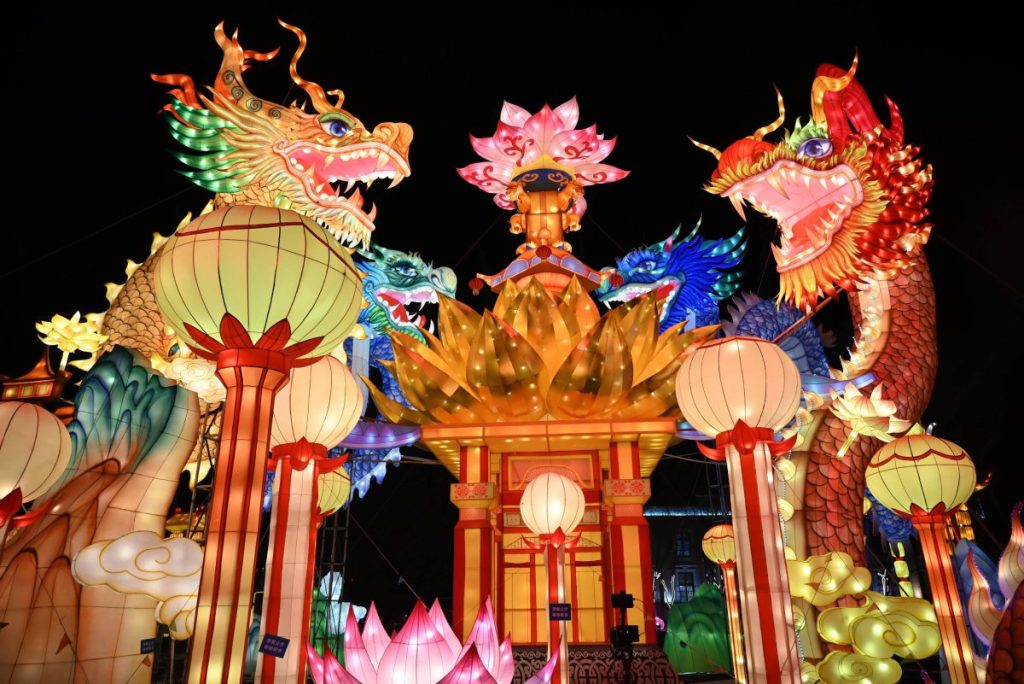
Lantern riddles are puzzles written on slips of paper and hung under lanterns. Visitors guess the answers, combining fun and culture while encouraging social interaction.

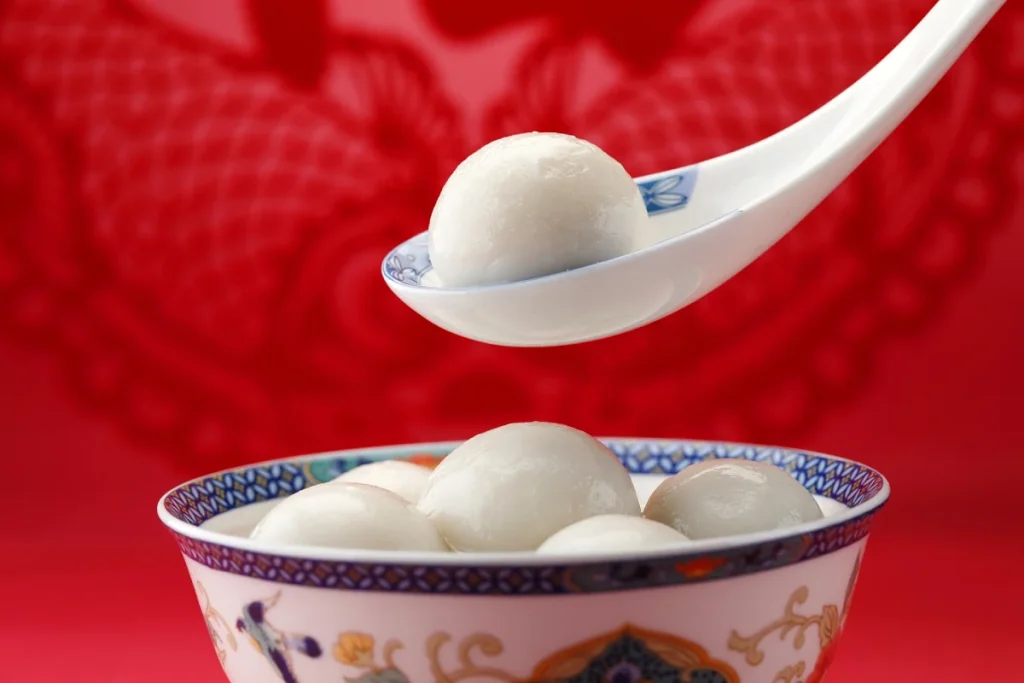
Eating Yuanxiao (northern China) or Tangyuan (southern China) is a key tradition. These glutinous rice balls usually contain sweet fillings such as sesame or red bean. Their round shape symbolizes family unity and completeness, aligning with the festival’s theme of reunion.
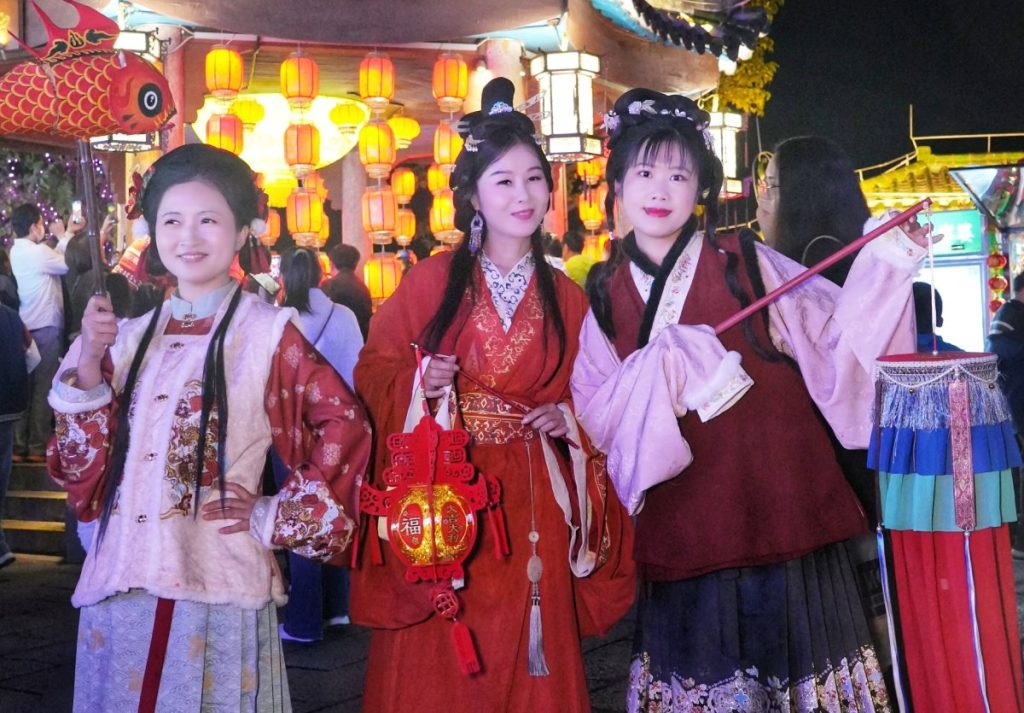
Historically, people wore their finest clothing during the Lantern Festival, with Hanfu being a common choice. Today, wearing Hanfu adds a cultural touch and enhances the festive atmosphere.
Today, the Lantern Festival blends tradition with modern elements:
- Public lantern shows and artistic light installations
- Community performances and parades
- Family gatherings and festive dinners
- Lantern Festival events in cities worldwide
The festival continues to spread globally, introducing Chinese culture to international audiences.
The Lantern Festival is more than a spectacular display of lights—it is a celebration of history, family, and cultural heritage.
By combining lantern displays, symbolic foods, interactive traditions, and community events, the Lantern Festival connects generations, making it one of the most enduring and meaningful celebrations of the Chinese lunar calendar.